


Childhood Nutrition for Sustained Energy

Dr. Charlotte Shen
Pediatrician
Dr. Charlotte Shen brings advanced pediatric training from Harvard-affiliated Boston Children's Hospital and Mount Auburn Hospital, with years of experience at a leading pediatric center in Shanghai. She specializes in childhood respiratory and digestive conditions, allergic diseases, neurological disorders, and comprehensive child health, and holds pediatric emergency certifications (BLS/PALS).
Childhood nutrition for sustained energy is one of the most practical levers parents can use to help children feel alert, focused and resilient- especially during the school year when energy demands rise.
Children’s bodies and brains are still developing, so they need a steady supply of quality fuel. Poor nutrition often shows up as mid-morning crashes, afternoon irritability, difficulty concentrating, or the “I’m starving then I’m stuffed” pattern.

01 ——
The foundations of energy-giving nutrition
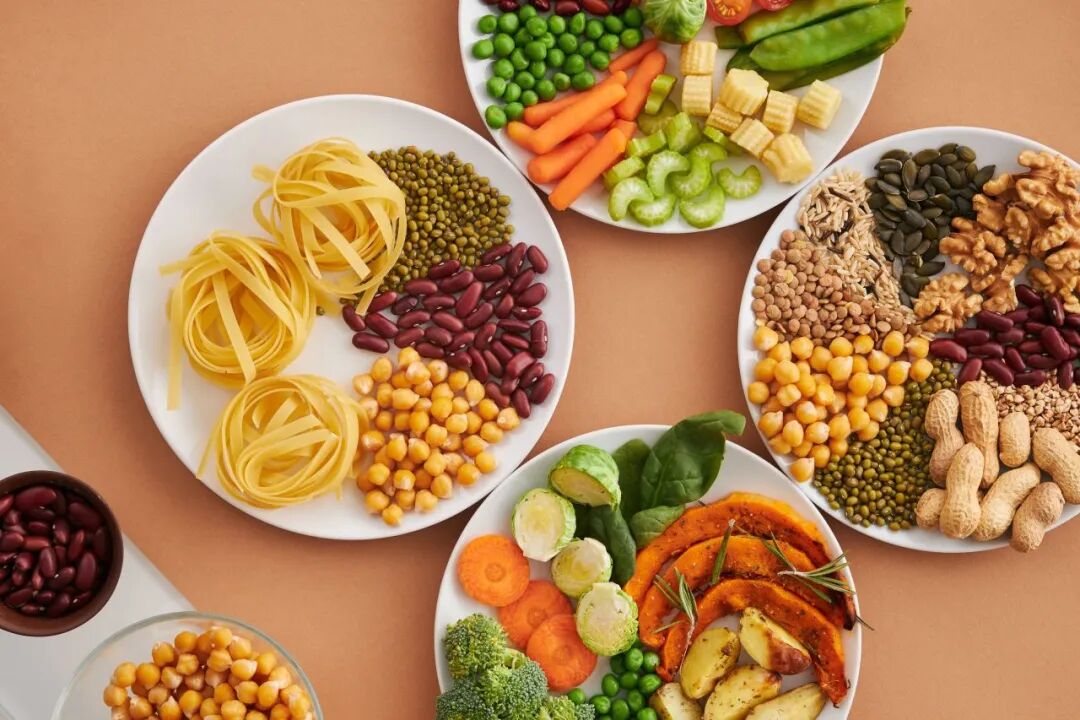
Complex carbohydrates: the main fuel
These provide steady glucose release rather than sharp spikes and crashes.
Good sources: whole grains (oats, brown rice, whole-wheat bread or pasta), starchy vegetables (sweet potato, potato with skin), legumes, fruit, and some dairy.
Limit refined sugars and white refined carbs, which give quick energy followed by a slump.
Protein: for steady energy and satiety
Protein slows digestion and helps keep blood sugar more stable.
Include some at every meal and snack: eggs, dairy or fortified plant alternatives, lean meat, fish, poultry, beans, lentils, tofu, nuts and seeds (as age-appropriate).
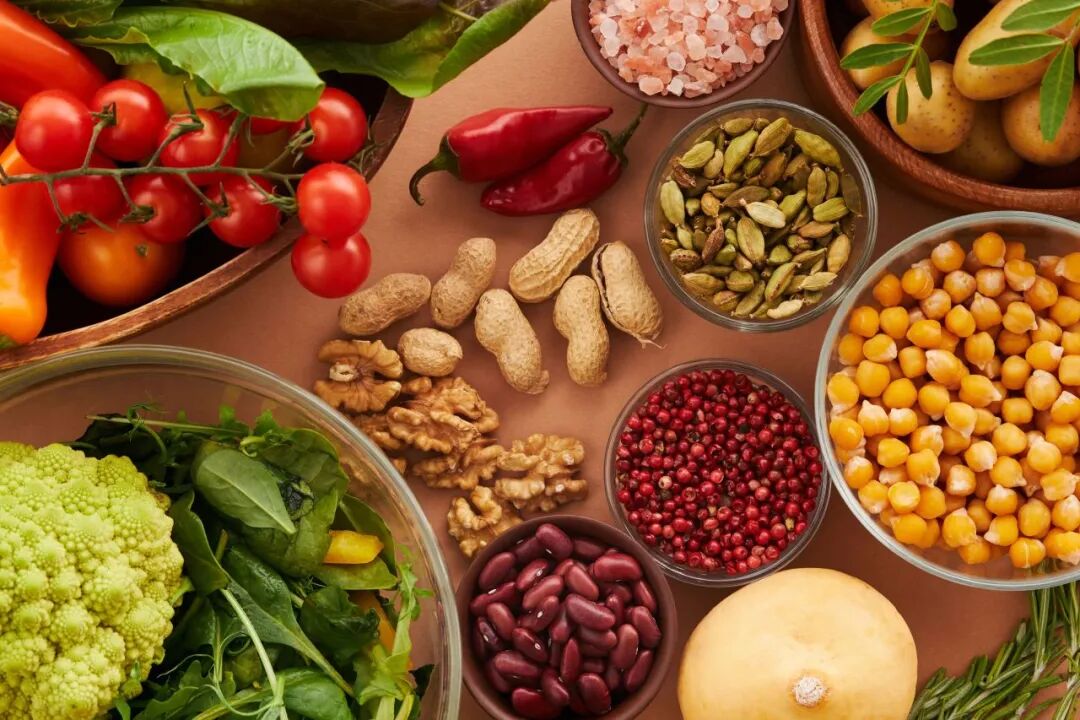
Healthy fats: brain fuel and longer-lasting energy
Especially important for growing brains.
Sources: avocado, nuts, seeds, olive oil, fatty fish (salmon, sardines), and full-fat dairy in appropriate amounts for younger children.
Micronutrients that support energy metabolism
Iron- low iron is a common cause of tiredness in children (especially girls after puberty and overly-selective eaters). Found in red meat, fortified cereals, beans, lentils, and dark leafy greens (pair plant sources with vitamin C for better absorption).
B vitamins- needed for converting food into energy. Found in whole grains, meat, eggs, dairy, legumes and leafy greens.
Magnesium and zinc- supports energy production and recovery. Nuts, seeds, whole grains and dairy are useful sources.
Vitamin D- low levels are linked to fatigue; many children need supplementation depending on location and sun exposure.
Hydration
Even mild dehydration reduces concentration and energy. Water should be the default drink with sugary drinks and juices limited.

02 ——
Practical daily structure
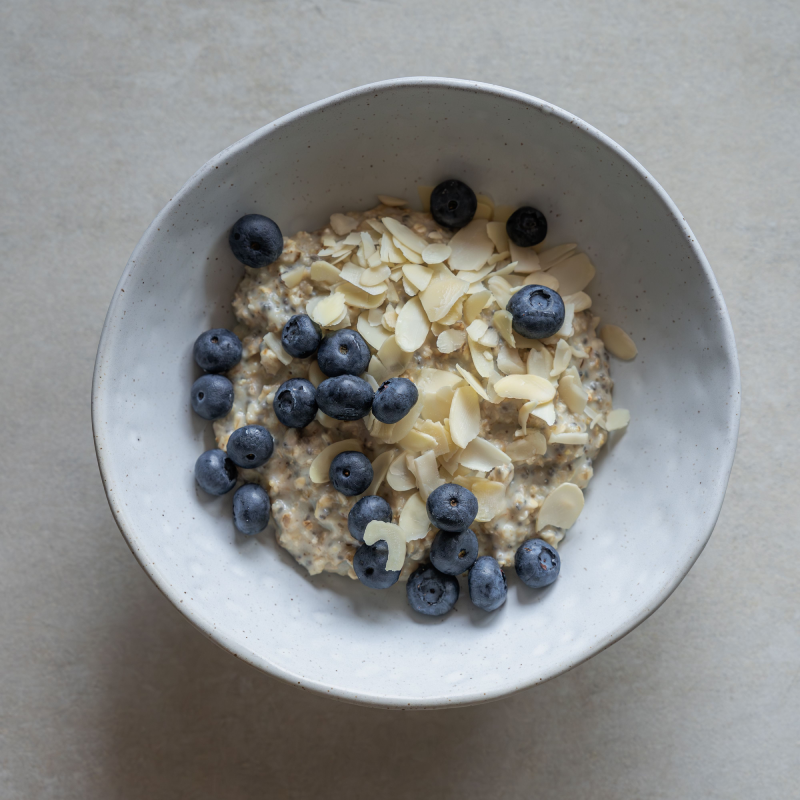
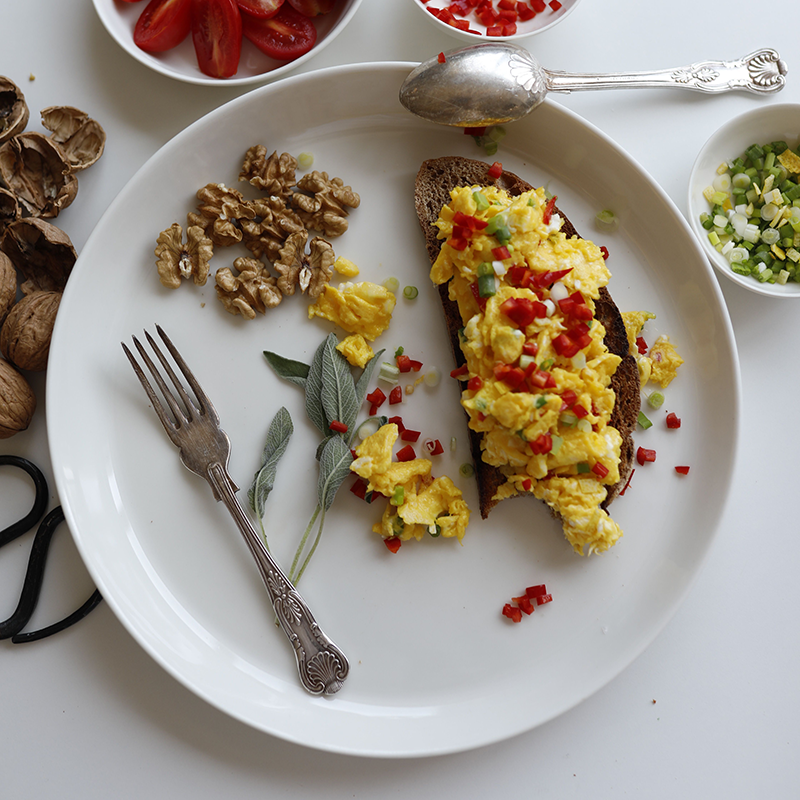
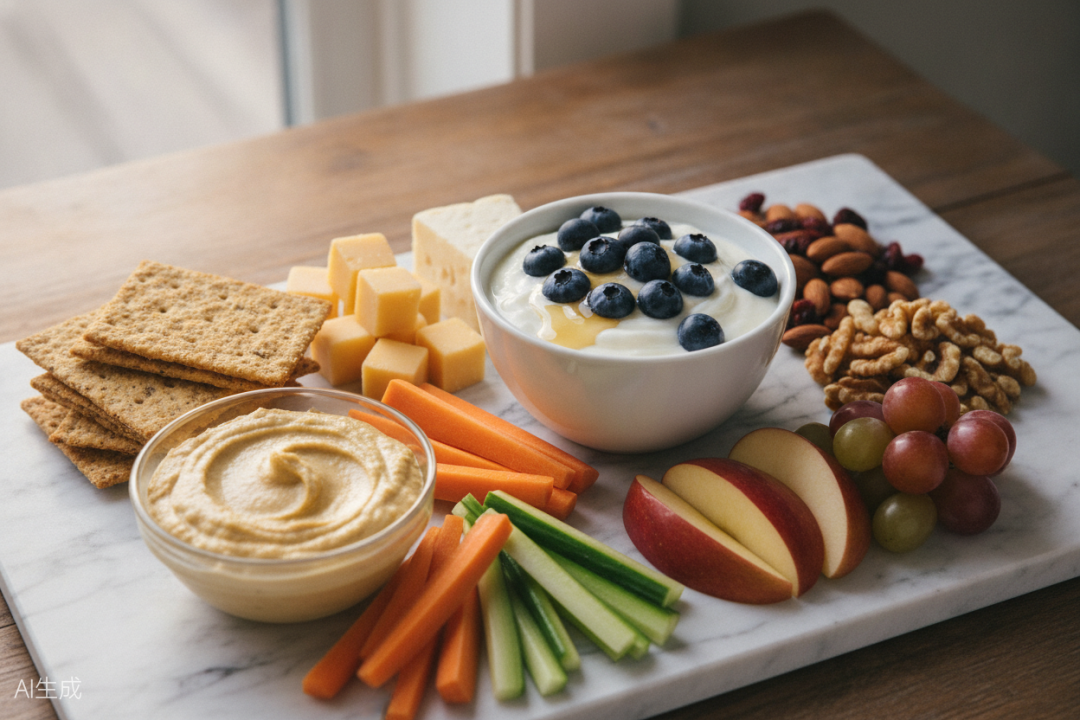
A simple structure that works for most school-age children:

03 ——
Common energy saboteurs
Watch out for these habits that undermine steady energy:

Frequent sugary snacks or drinks → blood-sugar rollercoaster.

Highly processed foods low in fibre and protein.

Inconsistent meal timing or long gaps between eating.

Excess caffeine (energy drinks, strong tea/coffee) in older children and teens.

Underlying issues such as iron deficiency, coeliac disease, or sleep problems that nutrition alone cannot fix.

04 ——
Age considerations
Toddlers and preschoolers
Smaller stomachs need frequent, nutrient-dense offerings. Offer a variety without pressure.
School-age children
Focus on balanced school lunches and after-school snacks that support homework and activity.
Adolescents
Higher energy and nutrient needs, especially with growth spurts and sports. Watch for restrictive eating or reliance on convenience foods.
05 ——
When nutrition advice should be personalised
Seek individual medical or dietetic advice if a child has persistent fatigue despite a reasonable diet, restricted eating patterns, known deficiencies, food allergies/intolerances, or medical conditions that affect absorption or metabolism.

Wechat Enquiries
& Appointments
Recipe sources:
[1] Cleveland Clinic Health Essentials: “How to Make Extraordinary Oats Overnight” — https://health.clevelandclinic.org/how-to-make-extraordinary-oats-overnight-infographic
[2] Cleveland Clinic Health Essentials: “5 On-the-Go Hearty, Heart-Healthy Breakfast Ideas” — https://health.clevelandclinic.org/5-on-the-go-hearty-heart-healthy-breakfast-ideas
[3] Cleveland Clinic Health Essentials: “Quick and Healthy Breakfast Ideas for Kids” — https://health.clevelandclinic.org/quick-and-healthy-breakfast-ideas-for-kids
[4] Cleveland Clinic Health Essentials: “Recipe: Scrambled Eggs With Tomatoes & Herbs” — https://health.clevelandclinic.org/recipe-scrambled-eggs-with-tomatoes-herbs-and-goat-cheese
Note: The three recipes above are adapted from these original English articles. Ingredient measures follow the originals (1 cup ≈ 240 ml, 1 Tbsp ≈ 15 ml, 1 tsp ≈ 5 ml).