


Your Thyroid Health During Pregnancy
The thyroid is a small, butterfly-shaped gland in the neck. It produces hormones that help regulate metabolism, energy and body temperature.
During pregnancy, the thyroid must work harder to keep the levels of these hormones in a good balance. Thyroid hormones are also important for your baby's growth and brain and nervous system development.
Because of this, even people who have never had any thyroid issues before might develop thyroid problems during pregnancy. These can include:

Hypothyroidism: an underactive thyroid

Hyperthyroidism: an overactive thyroid

Milder changes in thyroid hormone levels that may require monitoring



At your first prenatal visit with us at the Am-Sino International Birth Center, your doctor will do three thyroid-related blood tests:
Not everyone needs repeated thyroid testing throughout pregnancy. If your initial results are within range, your doctor may not need to repeat thyroid testing unless you have symptoms, risk factors or another clinical reason for further monitoring.


The next steps depend on the exact results and how they change over time. In general, if any of the results are out of the recommended ranges, the first part of the plan will include further monitoring throughout the pregnancy. This monitoring usually requires testing repeat testing of TSH and FT4 (and occasionally TPOAb) approximately every 4-6 weeks during pregnancy.
Some women need monitoring only, particularly when thyroid levels remain stable. Others may need medication, either based on the initial test results or in response to further changes in test results revealed by the ongoing monitoring.
When medication is recommended, your doctor will select the appropriate treatment and dose for pregnancy. Thyroid hormone replacement, when prescribed for an underactive thyroid, replaces a hormone that your body naturally produces and has been used safely during pregnancy for many years.
Treatment is different for an overactive thyroid, so your doctor will recommend medication and monitoring based on the specific thyroid condition.

Untreated or poorly controlled thyroid disorders can affect both mother and baby. Depending on the condition and its severity, complications can include problems with fetal growth, preterm birth, high blood pressure during pregnancy and, in some cases, effects on fetal development.
The good news is that appropriate monitoring and treatment can substantially reduce these risks.
Blood tests, tailored to you and your pregnancy, allow your doctor to identify changes early and adjust treatment when necessary. Ultimately, the purpose of testing and continued monitoring is to achieve the same goal we have in every aspect of pregnancy care: to identify issues before they cause serious impacts, while also recognising that too much testing or monitoring can lead to unnecessary interventions and potential harm. The goal is to maintain a schedule of testing and monitoring that is reasonable, effective, and appropriately tailored for each pregnancy.

Hyperthyroidism (when the thyroid is overactive) is less common than hypothyroidism but can also occur during pregnancy. Symptoms may include a rapid heartbeat, tremor, feeling unusually hot, weight loss or increased anxiety, although some women have few or no obvious symptoms.
Treatment depends on the cause and severity. Certain anti-thyroid medications may be used during pregnancy under medical supervision.

There are a few simple things you can do to support your thyroid health during pregnancy:

Take your prenatal vitamins as recommended. Iodine is important for thyroid function, but the appropriate amount depends on your individual circumstances. The prenatal vitamins contain a good amount for routine pregnancy- always ask your doctor before taking additional iodine supplements!

Eat a balanced diet. There is no need for a special “thyroid diet” unless your doctor recommends one for another reason.

Take any prescribed thyroid medication consistently. Do not stop or change your medication without discussing it with your doctor.

If you take levothyroxine: Prenatal vitamins containing iron or calcium can reduce its absorption. Take them at least four hours apart from your levothyroxine, unless your doctor advises otherwise.

Attend recommended follow-up appointments and blood tests. This allows your thyroid function to be monitored throughout pregnancy when necessary.
Ultimately, a thyroid abnormality during pregnancy can sound worrying, but most thyroid conditions can be managed effectively with appropriate care. The key is to identify problems when they need attention, monitor thyroid function when appropriate, and use medication when it is medically indicated.
If you have questions about your thyroid results, symptoms, medication or if you might benefit from further testing, book an appointment with our obstetricians today.

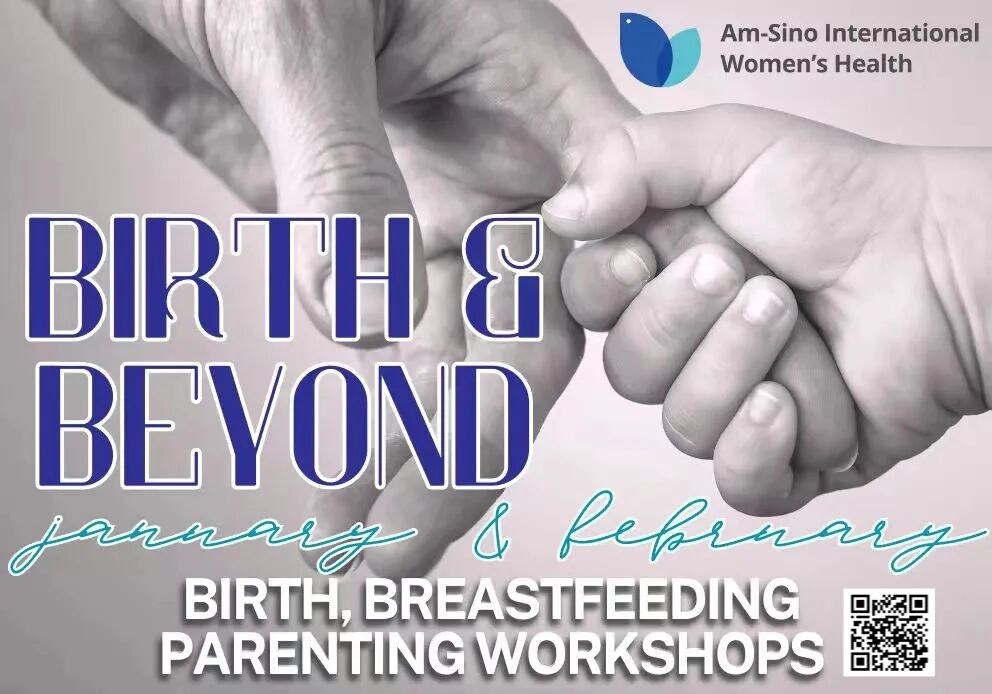
Workshops and Events Schedule
Updated regularly.
Scan the QR code to learn more.
▾▾▾



Scroll right to see more.

- Insurance Partners -

- Service Information -
Address: 17 Floor, 155 Songyuan Road,
Xuhui District, Shanghai
9:00 - 17:00 Monday to Saturday
- Contact us -

WeChat Enquiries
& Appointments