


Air Polishing: A Modern Approach to Improving Dental Stains
If you brush your teeth every day but still notice yellow or dark staining, you may be wondering why. Or perhaps your teeth look clean immediately after a professional cleaning, only for coffee, tea or smoking stains to return a few months later.
The problem may not be your brushing. In many cases, the natural colour of the teeth has not actually changed. Instead, external stains from coffee, tea, red wine, tobacco and other dark-coloured foods and drinks can build up on the tooth surface and are difficult to remove with regular brushing alone.
Traditional dental cleaning can remove plaque and tartar, but air polishing (also called air-flow polishing or air polishing therapy) can provide an additional way to remove surface stains and plaque, leaving teeth feeling smoother and looking cleaner.
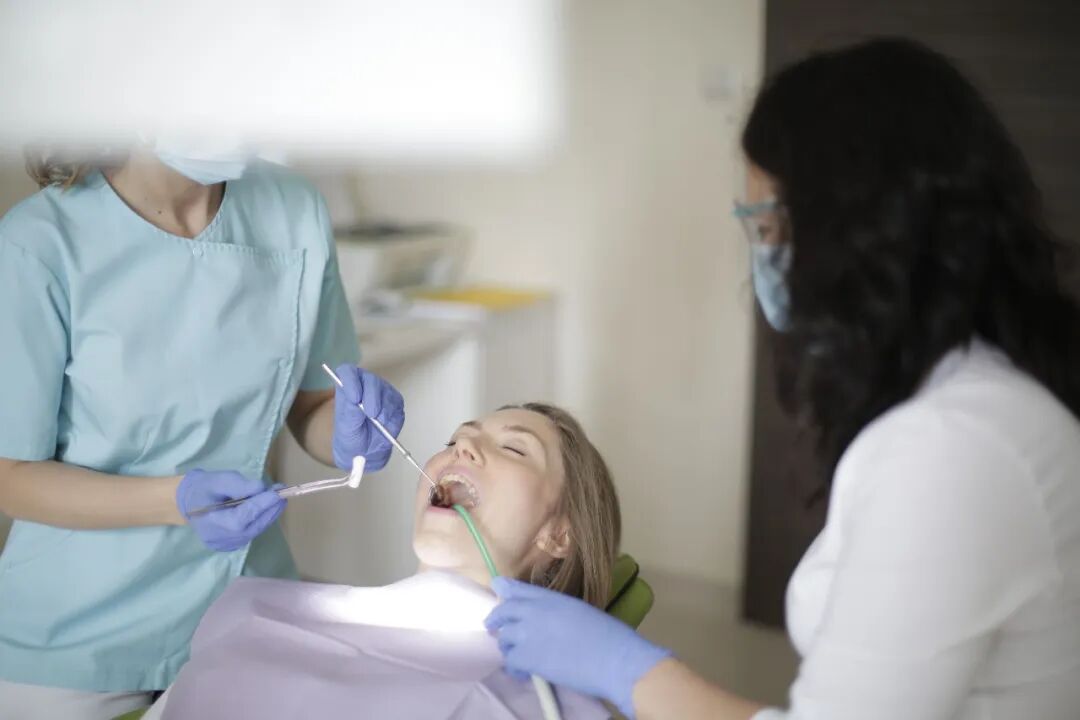
Why do teeth become stained?

1. External staining
Coffee, strong tea, red wine, tobacco and other dark-coloured drinks and foods can leave pigments on the surface of the teeth. Over time, these can make teeth appear increasingly yellow or dark.
2. Plaque and tartar
Bacteria in the mouth form a sticky film called plaque. If plaque is not removed effectively, it can harden into tartar.
Tartar and plaque can affect more than the appearance of your teeth. They are also associated with problems such as:

Bleeding gums

Bad breath

Gingivitis

Periodontal disease
Regular professional dental cleaning is therefore about more than having a brighter smile, it is an important part of maintaining oral health.
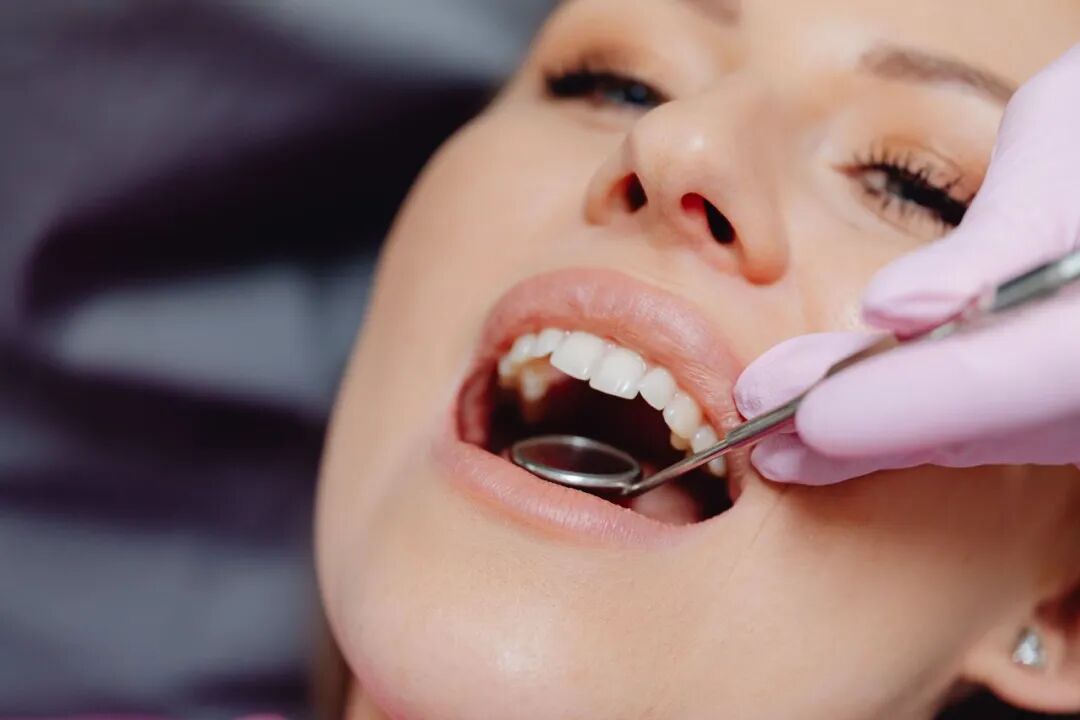
What is air polishing?

Air polishing uses a controlled stream of air, water and very fine polishing powder directed onto the tooth surface.
It can help remove:

Surface stains

Plaque and biofilm

Deposits in areas that can be difficult to clean with a toothbrush
Air polishing is often used together with ultrasonic scaling as part of a professional dental cleaning.
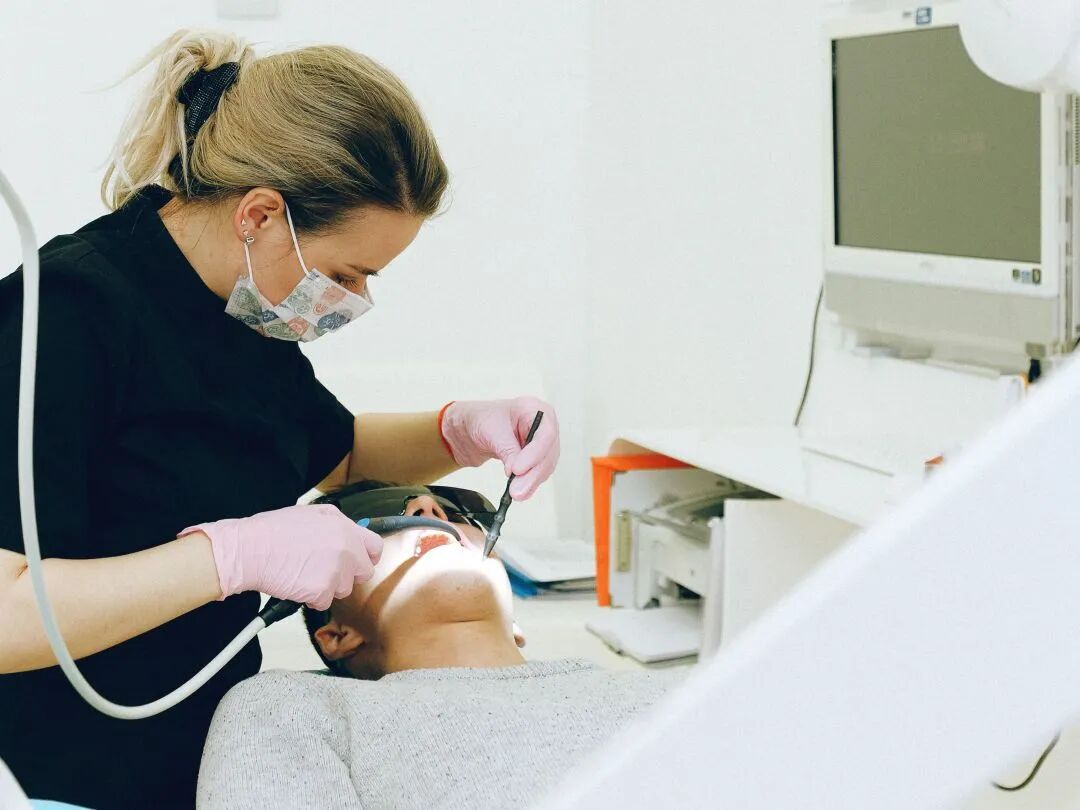
How is it different from traditional scaling?

Ultrasonic scaling uses gentle vibrations to remove tartar and other hard deposits.
Air polishing uses a pressurised air-and-water spray containing fine powder to remove surface staining and plaque, including deposits around grooves, between teeth and along the gumline.
In simple terms, ultrasonic scaling helps remove the hard deposits, while air polishing helps remove the stains and biofilm left on the tooth surface.
Used together when appropriate, they can leave teeth feeling cleaner, smoother and looking brighter.
Will air polishing damage my teeth or make my teeth sensitive?

This is a common concern, but when performed correctly by a dental professional using the appropriate equipment and powder, air polishing is designed to clean the tooth surface while minimising unnecessary abrasion.
Modern air-polishing systems use very fine powders. For example, our professional system uses powders with particle sizes of approximately 40 micrometres for supragingival cleaning and 25 micrometres for subgingival cleaning.
For comparison, a human hair is approximately 60-80 micrometres in diameter.
The appropriate powder and technique depend on where cleaning is required and the patient's individual oral health.
Air polishing is not the same as tooth whitening, however. It removes external stains and deposits, allowing your natural tooth colour to show more clearly rather than changing the intrinsic colour of the teeth.
What are the advantages of air polishing?

At Am-Sino Healthcare, our dental team uses modern technology that combines several cleaning functions.
Your dentist or dental hygienist will determine which combination of techniques is appropriate for your teeth and gums.
Who may benefit from air polishing?

Air polishing may be particularly useful for people who:

Regularly drink coffee, tea or red wine and have external staining

Smoke or use tobacco products

Have significant plaque or surface staining

Want a professional clean before an important event

Have areas that are difficult to clean with regular brushing

Wear orthodontic appliances or have dental restorations and need help maintaining difficult-to-reach areas
People with sensitive teeth may also find modern air-polishing techniques more comfortable than they expect. However, sensitivity has many possible causes, so persistent or significant sensitivity should be assessed by a dental professional.
How often should I have professional dental cleaning?

For most people, a professional cleaning every 6-12 months is appropriate. However, the ideal interval depends on your own specific situation.
People who smoke, have significant staining, or require periodontal maintenance may benefit from more frequent professional cleaning.
Your dentist can recommend a schedule based on your individual needs.
A cleaner, healthier smile starts with prevention

Air polishing can be a useful part of professional dental cleaning, particularly for removing external stains and plaque. It is not a replacement for daily brushing and flossing, and it does not treat every dental problem.
If you are concerned about staining, bleeding gums, bad breath, sensitivity or tartar, a dental examination can help determine what type of cleaning is most appropriate for you.
Want to know whether air polishing
is right for you?
Contact Am-Sino Dental to arrange
a consultation
and professional cleaning.

Wechat Enquiries
& Appointments