


Let's Doula This!
"I was already a qualified and experienced doula and childbirth educator when I had my second baby, but that’s not the point. In your own birth, it’s not always easy to think clearly through decisions or options. Even though I am a doula, I also had a doula at my births!"
- Louise Roy Hubbard
(Certified Birth Doula, Childbirth International)
Your partner, your doctor, your nurses, and your midwives all have important and distinct roles. But the role of continuous emotional, physical, and informational support is often not fully covered by any of them.
Enter the Doula.

What Is a Doula?
A birth doula is a professionally trained support person providing continuous physical, emotional, and informational help before, during, and shortly after childbirth.
A doula complements the work of your medical team rather than replacing it:
Obstetrician
Your Obstetrician is the doctor providing medical care during your pregnancy so that you can have the best chance at a safe and low-risk pregnancy and birth. This can be seen as a kind of “manager” of the health and safety of you and your baby, although the best obstetricians take on this role in a collaborative teamwork with you.
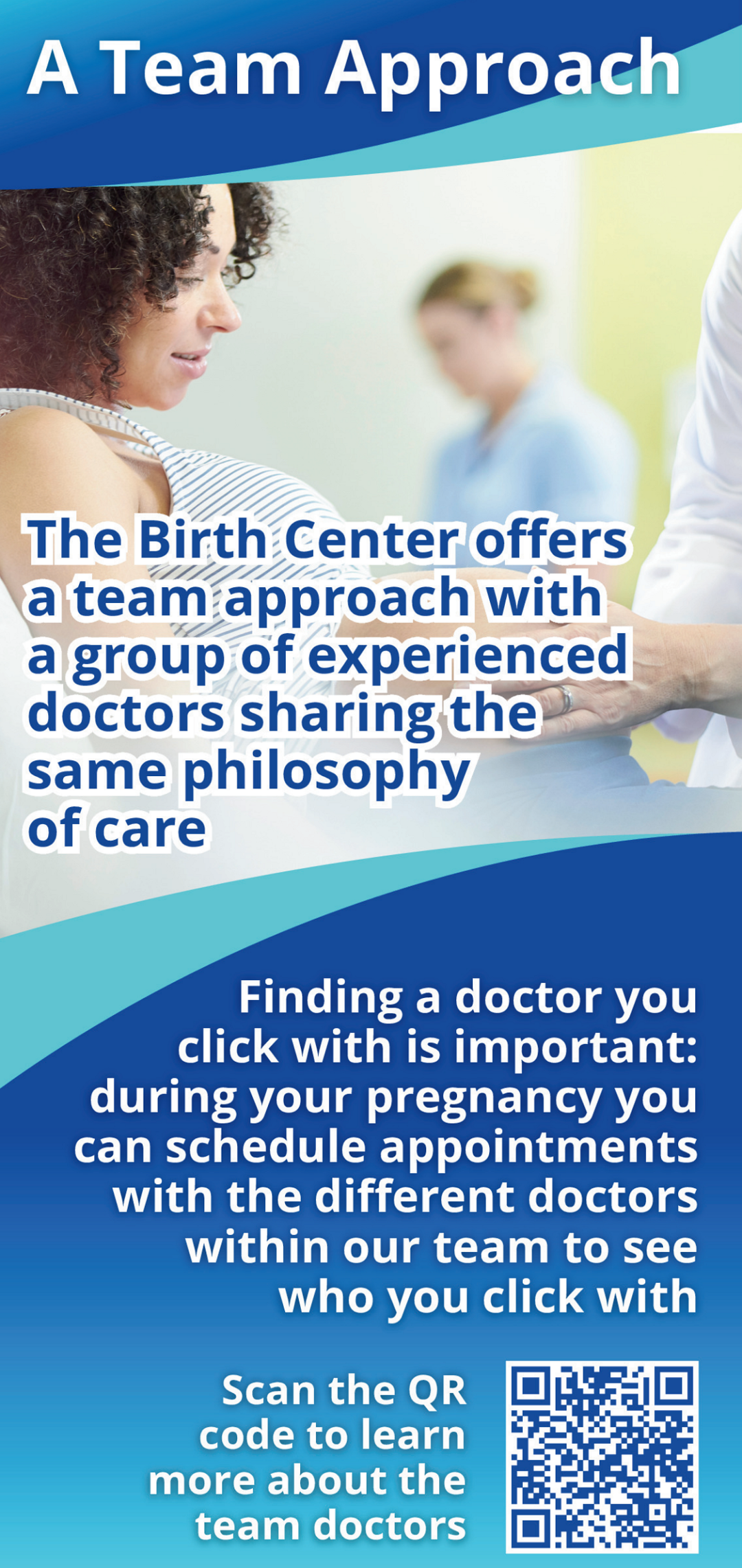
In hospitals where vaginal births are attended by obstetricians, it is important to ask if the doctor you are seeing for your prenatal care will be there for your birth, or if your hospital practices a rotating on-call system for birth (at Am-Sino your doctor is routinely planning to be there at your birth, but this is somewhat unique within the hospitals in Shanghai). In most hospital settings, your doctor will come and go throughout labour rather than remaining continuously at your bedside.
Nurses and Midwives
Labour & Delivery Nurses and Midwives provide medical care and monitoring during labour. Depending on the setting, they may deliver your baby themselves or assist the obstetrician. We can think of them as a “supervisor” if you are in a setting where the doctor delivers the baby, and the “(assistant) manager” in settings where the doctor only engages in births if they are very high-risk or cesarean.
Doula
A doula, however, remains focused entirely on supporting you and your partner throughout the process. They do not provide medical care or make medical decisions. Instead, they help you understand what is happening, encourage communication with your medical team, provide comfort measures, and help you feel emotionally supported and informed.
A doula rounds out your team with support that is completely unique from that provided by your partner or medical team. Importantly, a doula should never replace your partner or make them feel unnecessary. A good doula supports both of you, helping your partner feel more confident and involved while also ensuring they are not carrying the entire emotional and physical burden of support alone.

Not Just for "Natural" Births
One of the biggest misconceptions about doulas is that they are only for people planning an unmedicated birth. This is simply not true.
An epidural changes your physical experience of labour, but it does not remove the emotional, mental, or decision-making aspects of birth. A doula can still help with comfort, reassurance, position changes, communication, and maintaining a calm environment.
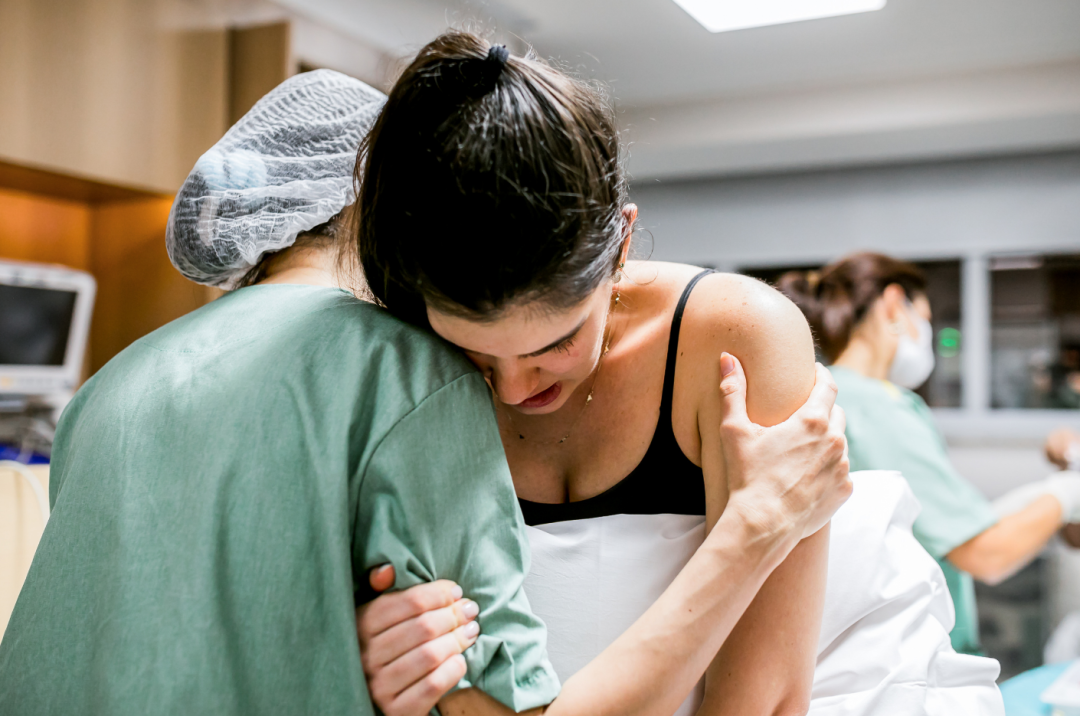
“An epidural is just a type of pain management, not a type of birth. A doula’s role is just as valuable before, during, and after an epidural. And anyway, support during pushing, breastfeeding and the early postpartum period remains just as important regardless of whether pain medication is used.”
— Doula Maggie Wang (Doula Certificate License No.: A0350240314340)
What About Cesarean Births?
Doulas can also play an important role in both planned and unplanned cesarean births.
A scheduled cesarean may still bring anxiety, uncertainty, or a desire to make the experience feel more personal and connected. A doula can help you prepare emotionally, understand what to expect, and create a birth experience that still reflects your preferences and values.
In an unplanned cesarean, the emotional benefit of continuous support can be even more significant. While the medical team is appropriately focused on safety and clinical care, your doula remains focused on you and your partner, helping you stay calm, informed, and emotionally supported during a rapidly changing situation.
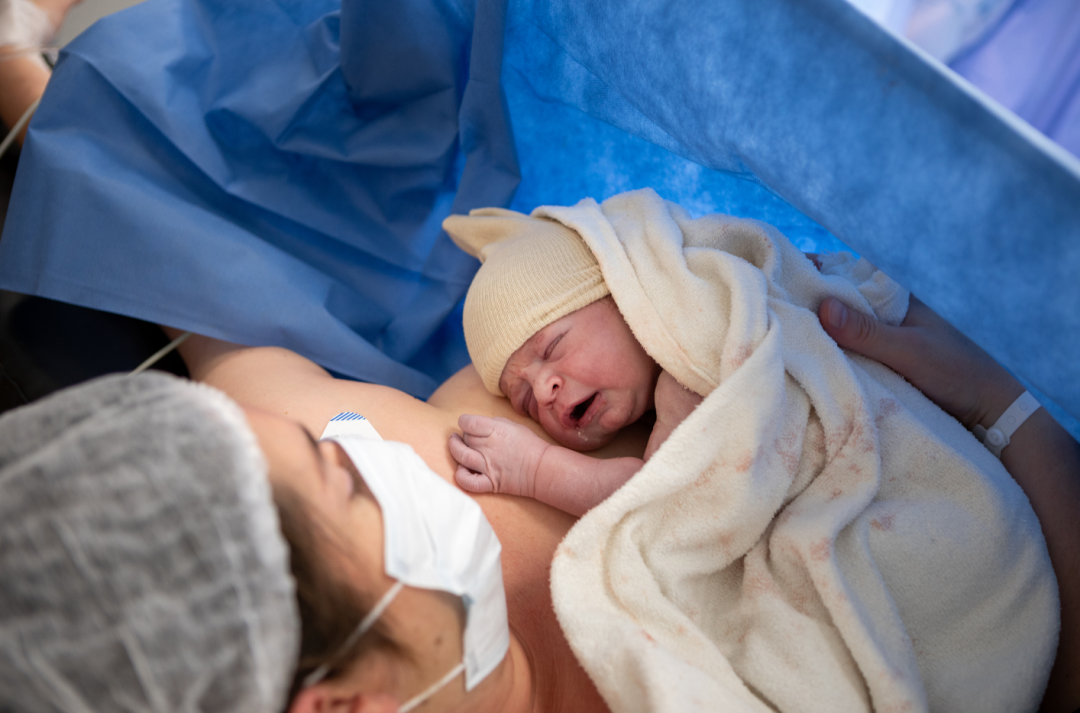
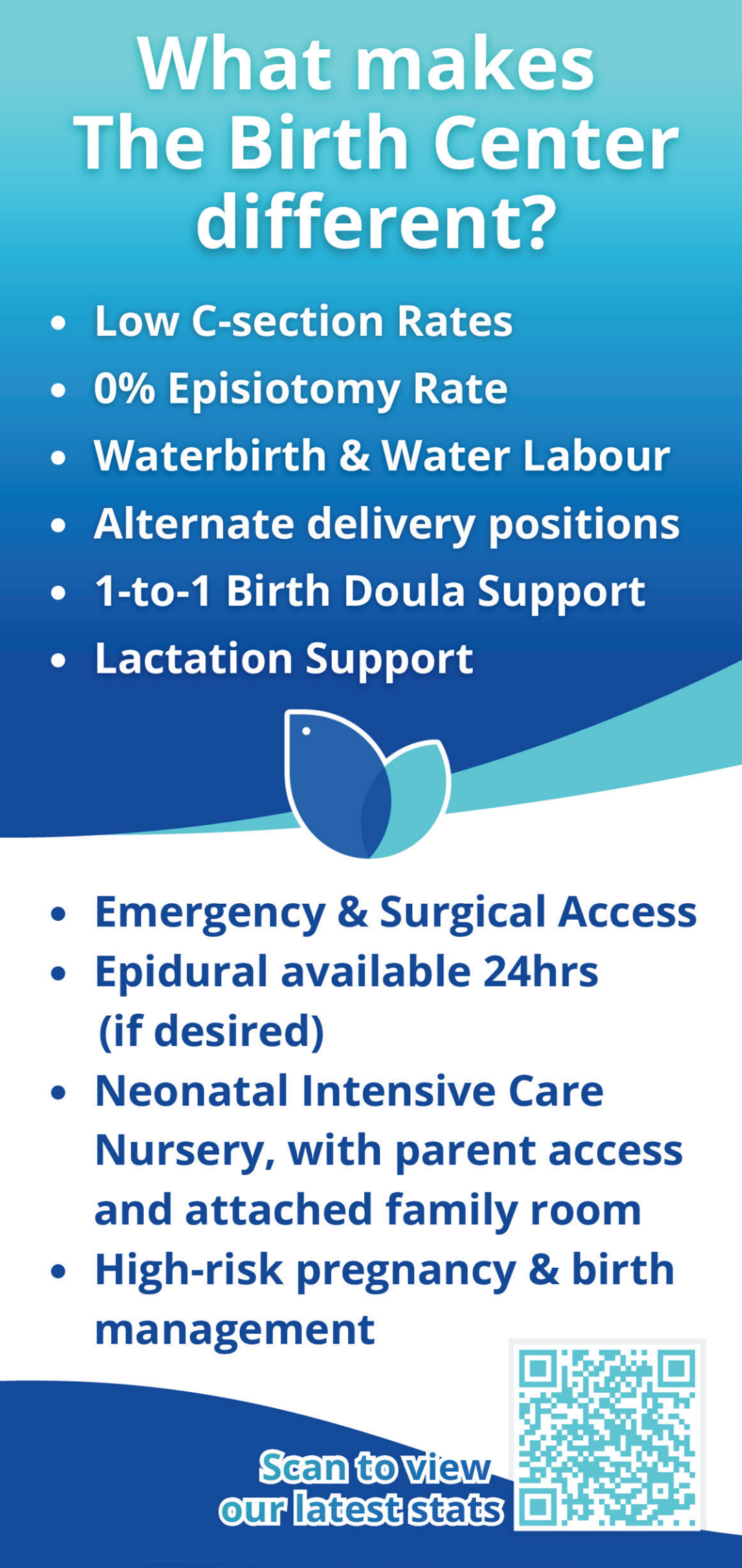
At Am-Sino International Birth Center, our staff doulas are also authorised to attend cesarean births alongside you and your partner. They can explain the process in real time and assist with early skin-to-skin and breastfeeding initiation- even before surgery is complete.
The Evidence: Why Doulas Matter
Doula support is not simply about making labour feel better: Research has shown that continuous one-to-one support is associated with:
In other words, continuous emotional, physical and informational support is not separate from medical outcomes- it can actively influences them.
The Constant in an Unpredictable Process
Birth is inherently unpredictable. Plans change, timelines shift, and decisions sometimes need to be made quickly. Whether your birth is fast or long, medicated or unmedicated, vaginal or surgical, a doula ensures that you are navigating it with the best support.
Ultimately, what a doula provides is not a specific type of birth- but a consistent type of personalised support.
Are You Looking For
A More Supported Birth?
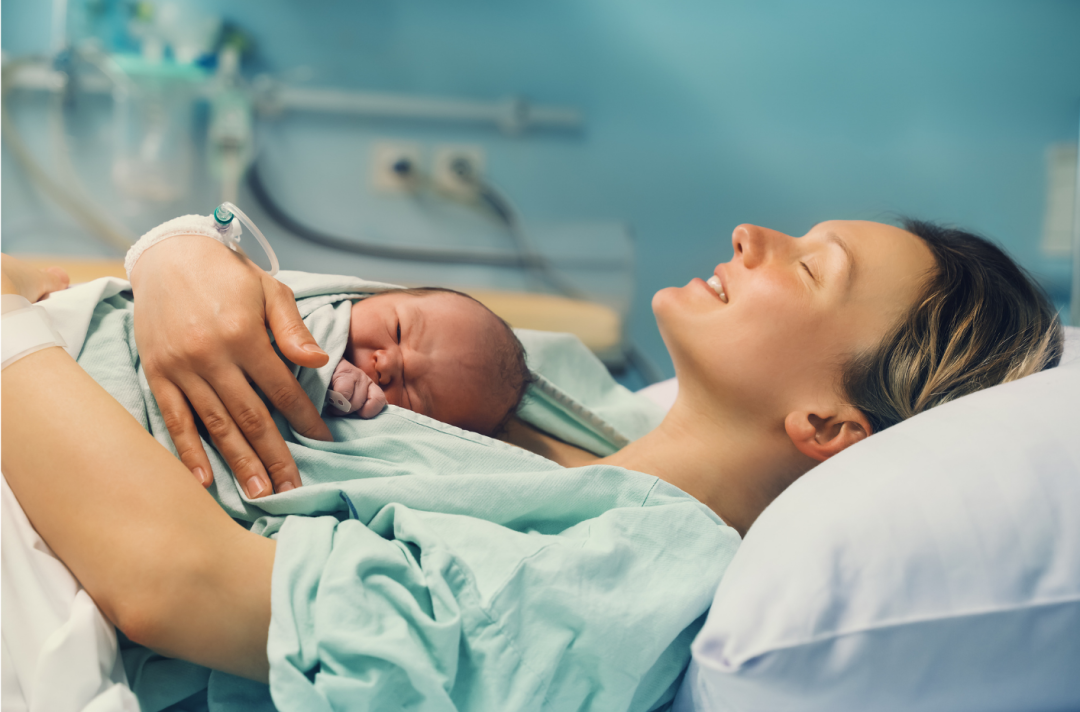
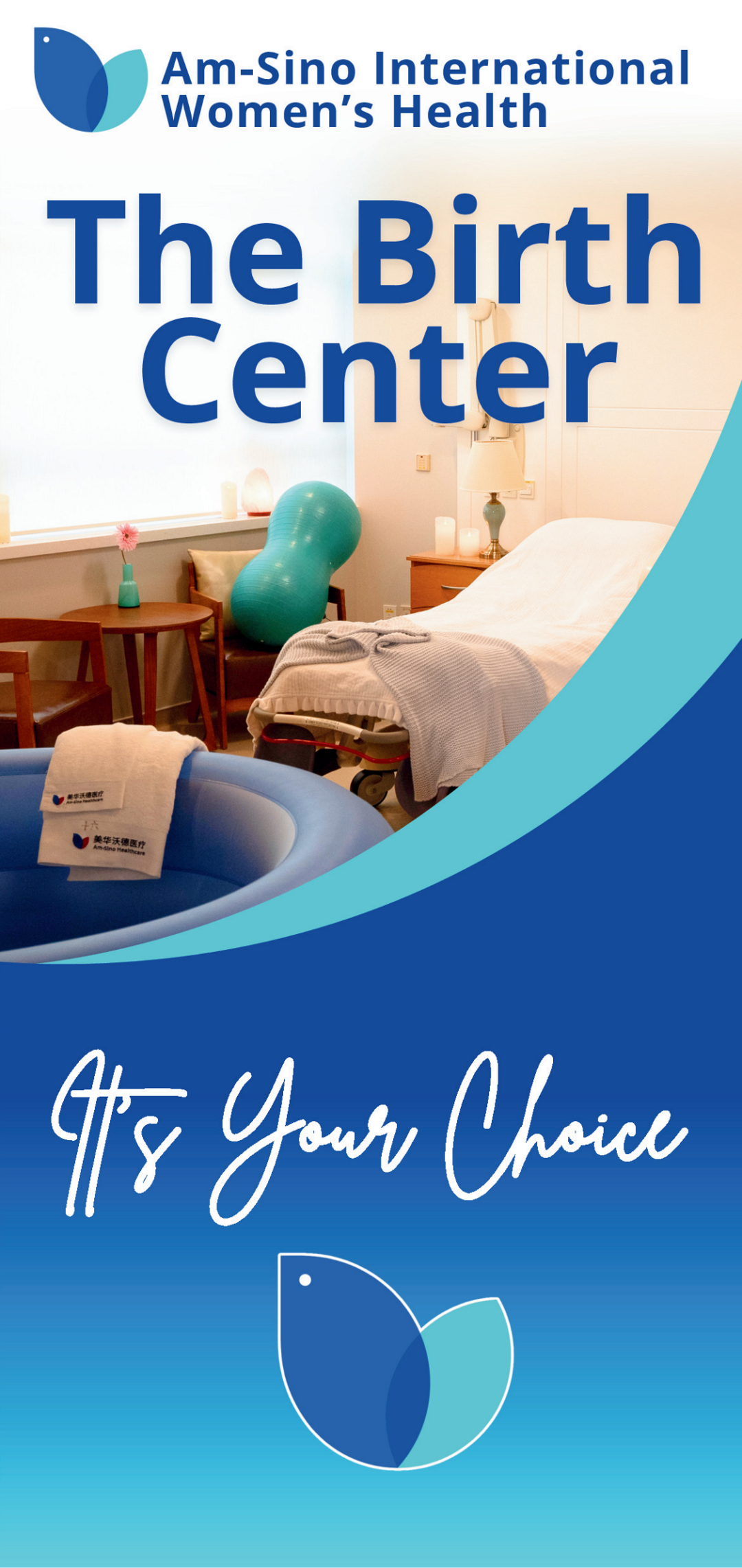
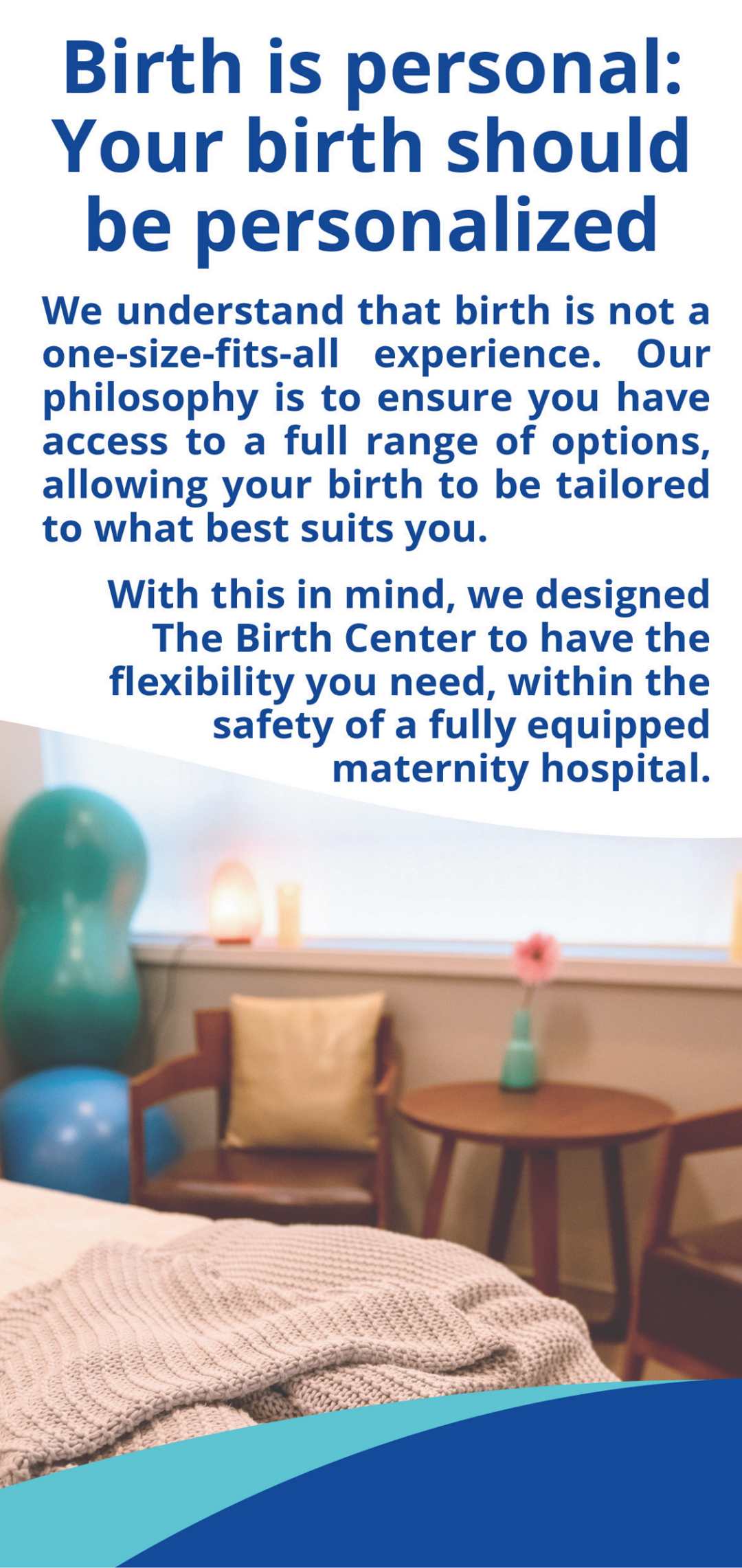
At Am-Sino International Women's Health & Birth Center, we don’t just “allow” doula support, we believe in it so deeply that we provide a qualified Birth Doula service. We know that your best birth is one that is supported in all aspects, and your doula is the key to completing your care.

Wechat Enquiries
& Appointments
Sources: ACOG Committee Opinion Number 766, April 2019

Workshops and events
Always updated. Scan the QR code to learn more.
▾▾▾


Scroll right to see more.

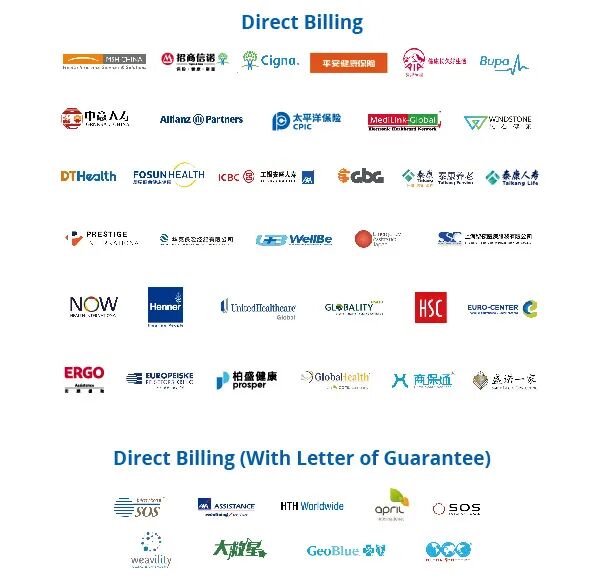
- Insurance Partners -
- Service Information -
Address: 17 Floor, 155 Songyuan Road,
Xuhui District, Shanghai
9:00 - 17:00 Monday to Saturday
- Contact us -

WeChat Enquiries
& Appointments