


Safe Personal Care During Pregnancy and Breastfeeding

When it comes to skincare, haircare, and beauty products during pregnancy and breastfeeding, it's natural to have questions. According to much of the information on popular media, your unborn child could be poisoned if you so much as look at a hair salon.
However, the reality is that in most cases you can continue your personal care regimens as usual. Let's go over the most common topics, so you can move through your pregnancy with peace of mind.
Remember, this is general education- chat with your obstetrician if you have questions about specific products/treatments, or if your concerns need personalized advice.
During Pregnancy:
01
Skin and Hair Care
Hormonal changes in pregnancy can play tricks on your skin, causing concerns like acne and skin darkening (melasma). The big question is which products are safe to use during this special time.
Here's what you should consider:
Products with ingredients like benzoyl peroxide, salicylic acid, and glycolic acid are usually safe to use for acne.
Stay away from products with high levels of hydroquinone, minoxidil for hair growth, or prescription tretinoin for acne.
Vitamin A (or retinol) in cosmetics is generally present in insignificant quantities and minimally absorbed through the skin. It is therefore acceptable to use over the counter skin products that contain vitamin A.
Be cautious with unbranded products, especially if you're buying them online, or products sold from countries with dubious safety regulations.
Deodorants and Antiperspirants
These products are considered safe for use during pregnancy as they are applied topically to the skin and do not get absorbed into the bloodstream in significant amounts. However, due to your increased sensitivity in pregnancy it's a good idea to choose products that are mild and free from strong fragrances to minimize any potential skin irritation.
The safety of aluminium in antiperspirants is an ongoing topic of discussion and investigation. While aluminium is a common ingredient in antiperspirants and is generally considered safe, some research studies have raised questions about potential connections between aluminium exposure and certain health concerns, including Alzheimer's disease and breast cancer. Nevertheless, these findings remain inconclusive, and further research is necessary to gain a more comprehensive understanding of any potential risks involved. According to the American Pregnancy Association, there is currently no evidence that the use of antiperspirants containing aluminium poses harm to the developing baby.
Hair Removal and Bleaching
Hair removal creams and bleaching agents are considered safe to use because they have low chemical concentrations and aren't typically absorbed into your body. They are used for a short period of time on the skin and would not be expected to cause issues during that minimal exposure.
Sunscreens
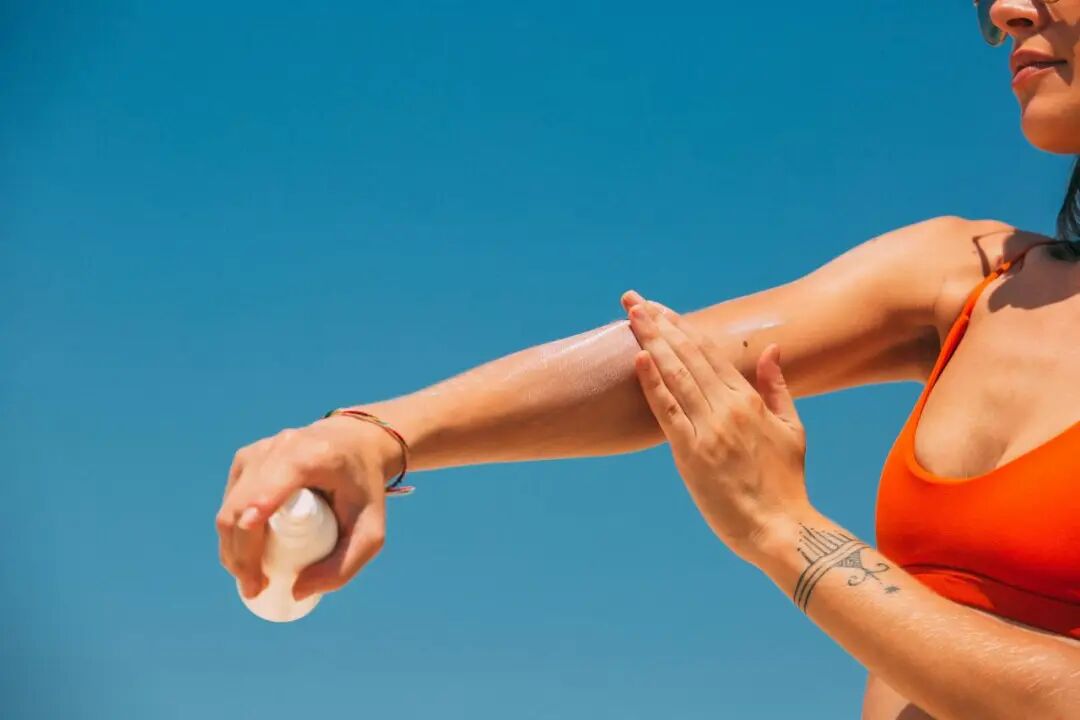
Sunscreens are considered safe during pregnancy and it is always wise to protect your skin from harmful UV (and prehaps even more so during this sensitive period).
02
Mosquito Repellent
Both the Centers for Disease Control and Prevention and the American College of Obstetricians and Gynecologists advise that mosquito repellents containing DEET, picaridin, IR3535, oil of lemon eucalyptus, or para-menthane-diol are safe to use at any stage of pregnancy and are not associated with harm to the developing fetus. (Different recommendations apply for infants and young children.)
Importantly, these repellents are actively recommended when there is any risk of mosquito-borne disease. Chemical-based repellents listed above are preferred over “natural” alternatives, which often have inconsistent or unproven effectiveness.
03
Hair and Nail Care
Pregnant women often worry about the potential risks of chemical exposure during hair and nail treatments, such as colouring, straightening, or manicures. However, it's reassuring to know that these concerns are generally minimal and manageable:
Hair Treatments
Hair dye and other hair treatments are directly applied to the hair and scalp, making it unlikely for chemicals to reach the unborn baby. The absorption via the scalp is not of concern to the unborn baby.
There has been a long record of pregnant women using these treatments without any reported harmful outcomes.
Overall, it's considered safe for pregnant women to have their hair died or chemically straightened/permed during pregnancy, and it isn’t known to pose an increased risk to their baby.
Nail Care
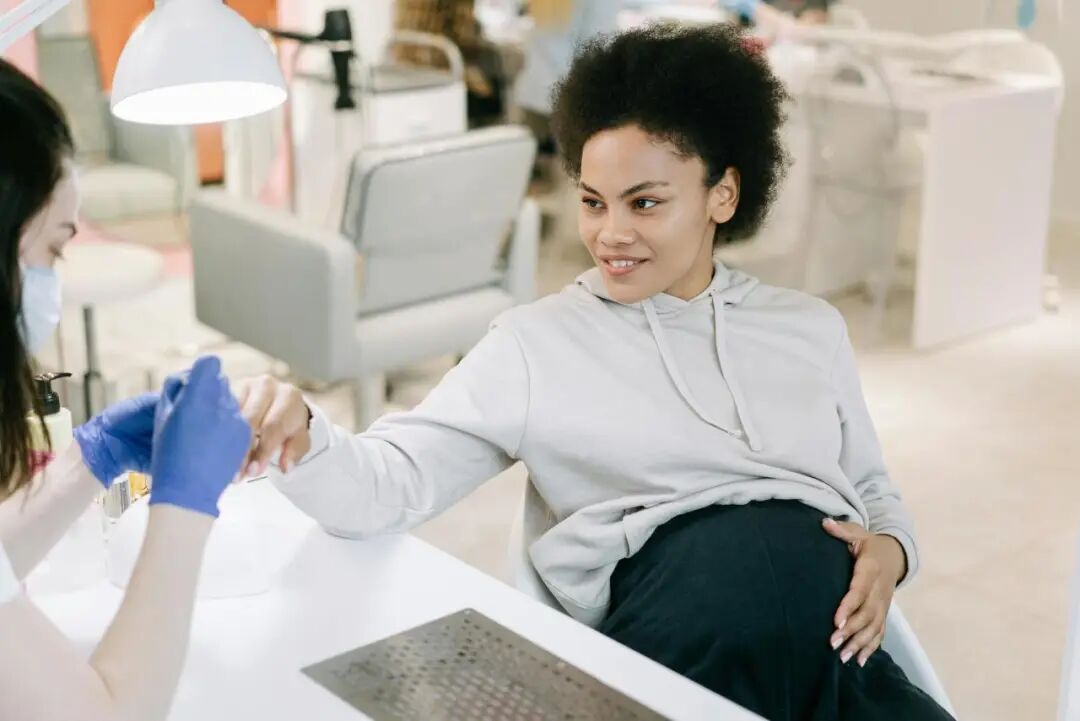
Some expectant mothers may worry about chemical exposure during nail treatments, either through inhalation or skin contact.
Fortunately, the inhalation exposure duration during nail treatments is short, making any potential risks very low.
It's not anticipated that getting your nails done will cause problems during pregnancy.
Tanning Products
Self-tanning creams and spray products are safe because they're absorbed very minimally through your skin.
If spray tanning, it's a good idea to use protective measures on the nose and mouth to avoid inhaling an excessive amount of the chemicals during the process.
Botox and Laser Treatments
While there isn't a ton of research on these during pregnancy, small doses of botox injected into a muscle aren't likely to harm your baby.
Laser treatments for hair removal are safe because they don't go beyond the skin's surface, however your skin might be more sensitive during pregnancy so ask the technician to do a test patch.
During Breastfeeding:
01
Cosmetics, Skincare, and Hair Removal
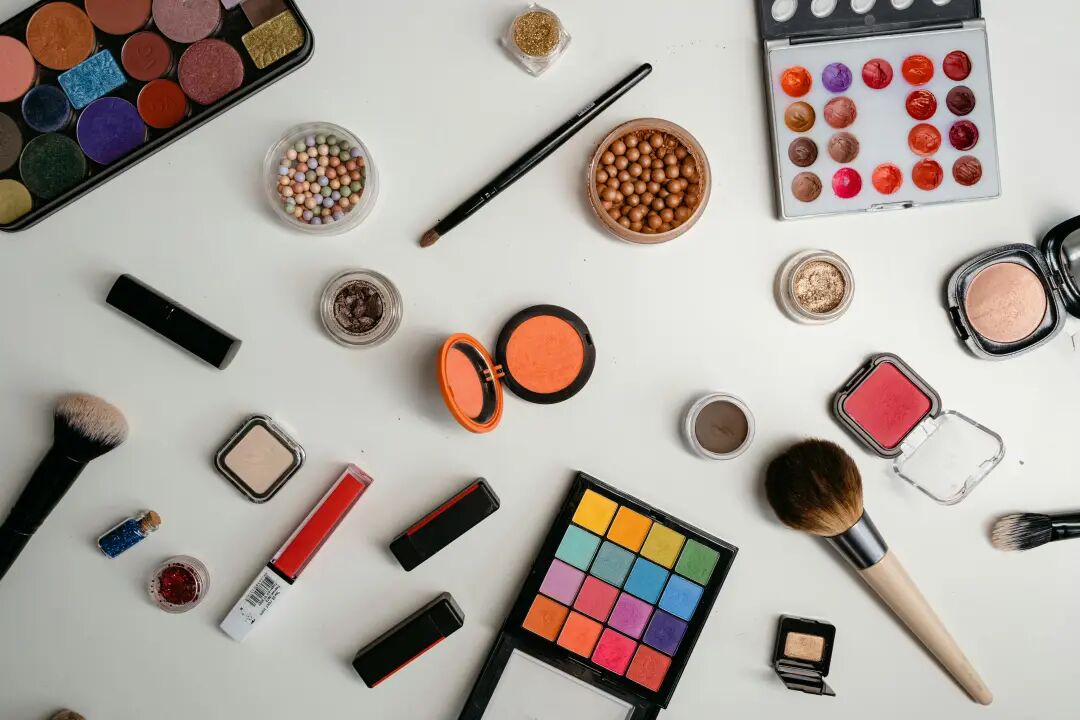
Most cosmetics, skincare products, and hair removal creams are safe while breastfeeding.
Hydroquinone (used in skin bleaching creams) may be absorbed in greater amount into the skin, so it is best avoided until more research is available.
When administered correctly, Botox should not enter breast milk, and so there is no need for specific breastfeeding precautions.
02
Hair and Nail Treatments
Hair and nail treatments are generally fine for breastfeeding moms because the exposure period is short and the chemicals used do not leech into the skin in any meaningful way.
03
Tanning Products
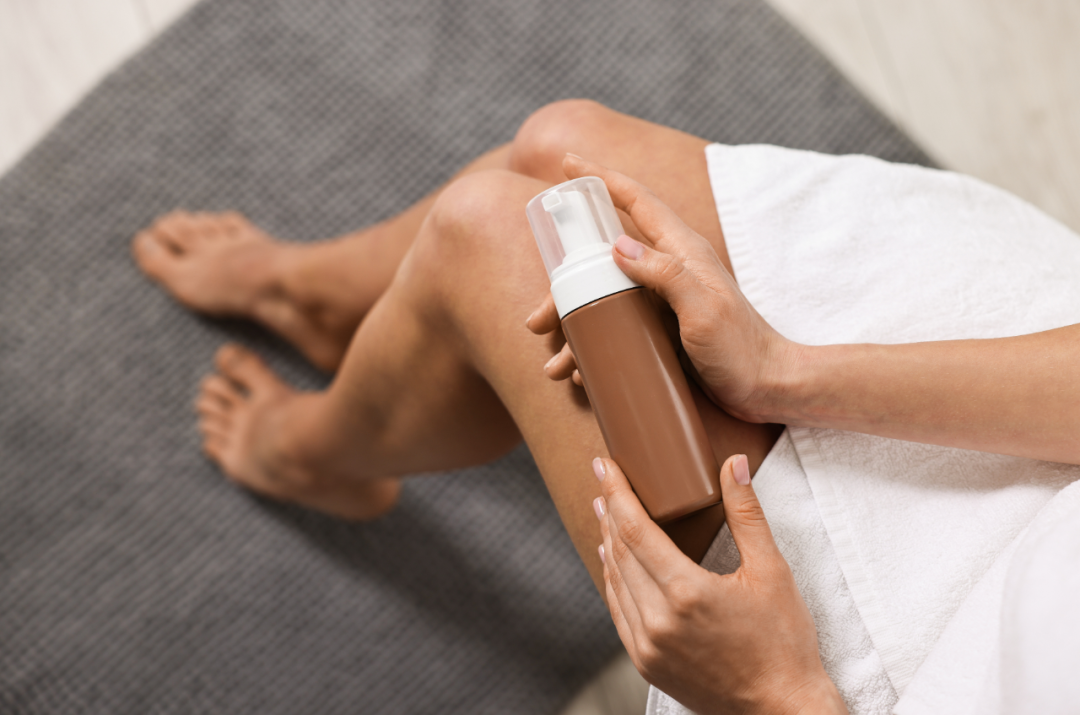
Self-tanning and spray tanning products are safe during breastfeeding. Just remember to avoid applying them to your nipple and areola so as to direct avoid ingestion by baby.
References:
1. Bozzo P, Chua-Gochero A, and Einarson A. Safety of skincare products during pregnancy. Canadian Family Physician. 2011; 57(6):665-7.
2. Chua-Gochero A, Bozzo P, and Einarson E. Safety of hair products during pregnancy: personal use and occupational exposure. Canadian Family Physician. 2008; 54 (10): 1386-1388.
3. Henrotin JB et al. Reproductive disorders in hairdressers and cosmetologists: a meta-analytical approach. Occupational Health 2015; 57: 485–496.
4. Tan M et al. Botulinum toxin type A in pregnancy. Canadian Family Physician. 2013; 59(11):1183-
5. Pregnancy and radiation exposure. Health Physics Society.
6. Lactmed: Drug and Lactation Database. Onabotulinumtoxin A. National Library of Medicine, Maryland.
7. Royal Hospital for Women (https://www.seslhd.health.nsw.gov.au/rhw/)


Scroll right to see more.

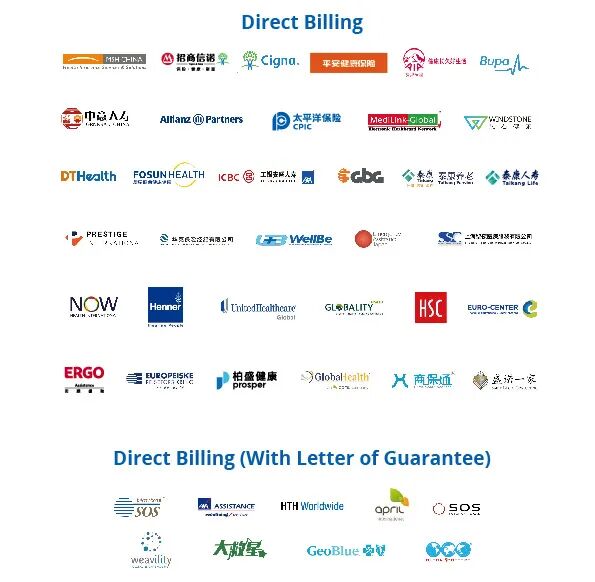
- Insurance Partners -
- Service Information -
Address: 17 Floor, 155 Songyuan Road,
Xuhui District, Shanghai
9:00 - 17:00 Monday to Saturday
- Contact us -

WeChat Enquiries
& Appointments