

What Is Your Jaw Telling You? Understanding TMJ Disorder
Have you ever experienced:
A “click” sound when you open your mouth to eat?
Difficulty opening your mouth in the morning, as if it’s “stuck”?
Your jaw suddenly shifting to one side when you yawn?
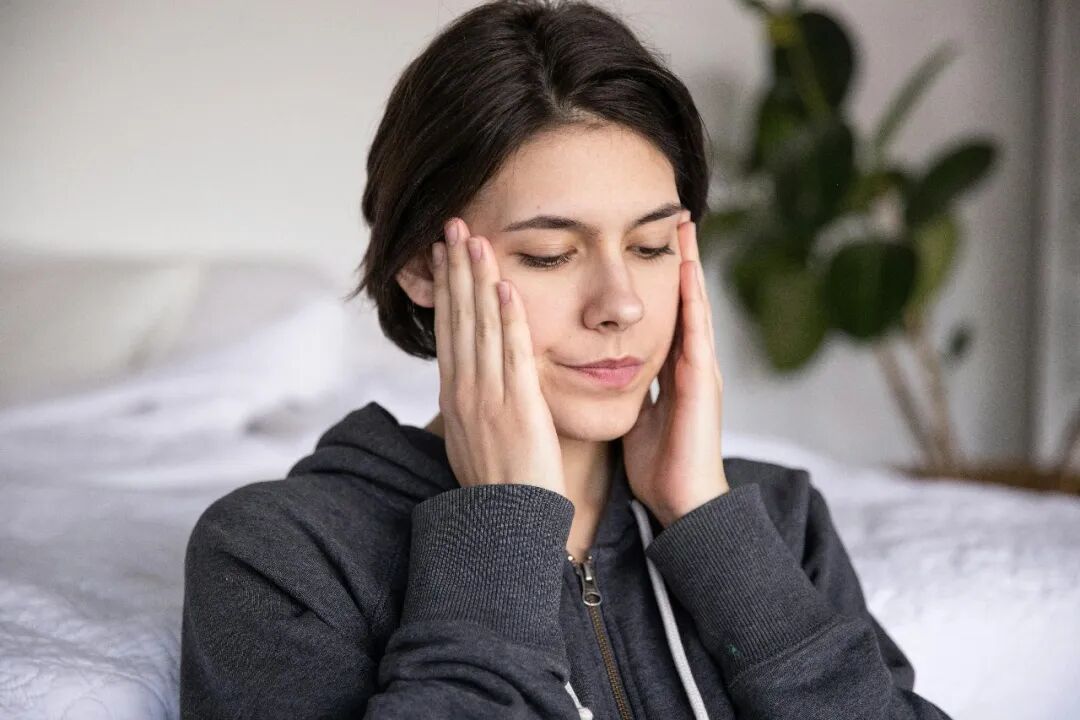
Or perhaps you feel soreness or aching in front of the ear, sometimes accompanied by headaches or neck and shoulder pain.
For some, it may go away by itself in a few days. But if these symptoms persist or keep recurring, it may be temporomandibular joint disorder (TMJ disorder).
What is TMJ disorder?
The temporomandibular joint (TMJ) is located just in front of the ear. It acts as the hinge connecting the lower jaw to the skull and is involved in almost every mouth-related activity- speaking, chewing, swallowing, and facial expressions.
When the coordination between the joint and surrounding muscles is disrupted, it can lead to pain, clicking sounds, or restricted movement.
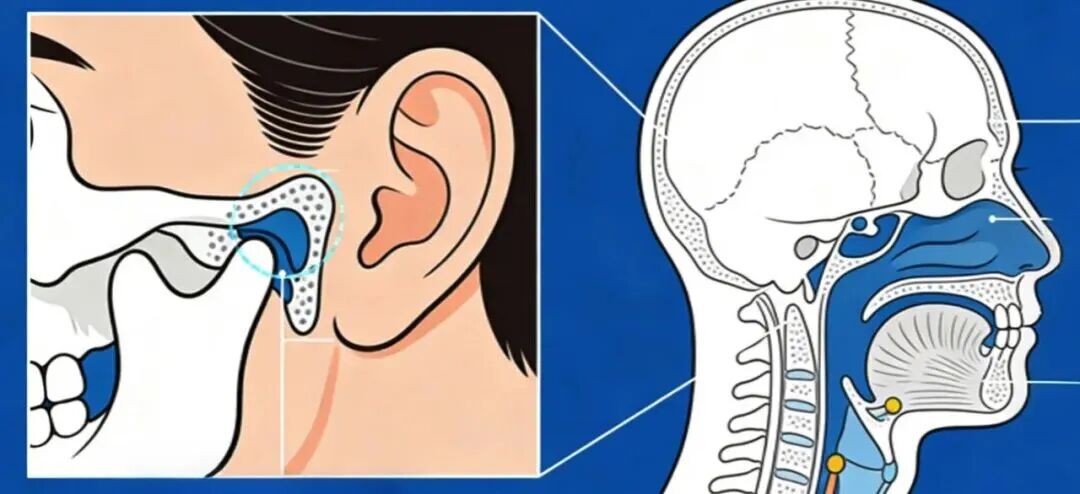
TMJ disorder is not a single condition, but rather a group of conditions involving joint structure, muscle function, and bite alignment.
It is relatively common, especially among people aged 20-40, and occurs more frequently in women.
What signs should you watch for?
Symptoms can generally be grouped into three categories: movement, pain, and sound.
① Abnormal movement
Reduced ability to open the mouth (less than three finger-widths)
Jaw deviates to one side when opening
Jaw gets “stuck” during opening or closing
A feeling that jaw movement is not smooth
These may indicate abnormal joint movement.
② Pain (not just “in front of the ear”)
Pain is typically located near the ear but may radiate to:
Chewing muscles (jaw area)
Temples
Neck
Shoulders
Some people may mistake it for migraines or cervical spine problems.
③ Unusual sounds
A clear “click” sound
Repetitive crackling sounds
A grating sound like paper rubbing
Occasional painless clicking may be observed, but if accompanied by pain or limited movement, assessment is recommended.

Why does TMJ disorder occur?
TMJ disorder is usually caused by multiple contributing factors, rather than a single issue.
1. Long-term bite imbalance
Misaligned teeth, deep overbite, missing teeth, or severe tooth wear can alter how forces are distributed across the joint.
2. Overuse
Chewing on one side
Frequent consumption of hard foods
Teeth grinding at night
Clenching during the day
These place prolonged stress on the joint and may lead to cartilage or disc degeneration.
3. Stress and emotional factors
Anxiety, poor sleep, and chronic stress can cause sustained muscle tension in the jaw.
4. Poor posture
Forward head posture, slouching, or resting the chin on your hand can disrupt the relationship between the neck and jaw. These areas are connected through muscles and fascia, so postural imbalance can affect joint function.
5. Other triggers
Cold exposure to the face, trauma, or naturally weaker joint structures may also contribute.
When should you seek medical care?
You should not continue to “wait and see” if you experience:
Recurrent pain
Sudden limitation in mouth opening
Jaw locking
Sudden changes in your bite
Facial swelling
Symptoms following trauma
For adolescents in particular, untreated TMJ issues may affect jaw development.
How is it treated?
Most TMJ disorders can be significantly improved with structured, conservative treatment, typically managed in stages.
Stage 1: Self-care and behavioural changes
(First-line treatment for mild to moderate cases)
Goal: Reduce joint strain and muscle tension
Diet:
Choose soft foods
Avoid nuts, hard candy, and chewy foods
Cut food into small pieces
Avoid prolonged gum chewing
Habit correction:
Keep lips closed and teeth slightly apart
Avoid resting your chin on your hand
Avoid sleeping face-down
Stop chewing on one side only
Practice diaphragmatic breathing to reduce tension
Local care:
Cold packs for acute pain
Heat therapy for chronic tightness
Gentle massage of the temples and jaw muscles
Many early cases improve significantly with these measures alone.
Stage 2: Professional treatment
If symptoms persist or recur, a structured assessment is recommended.
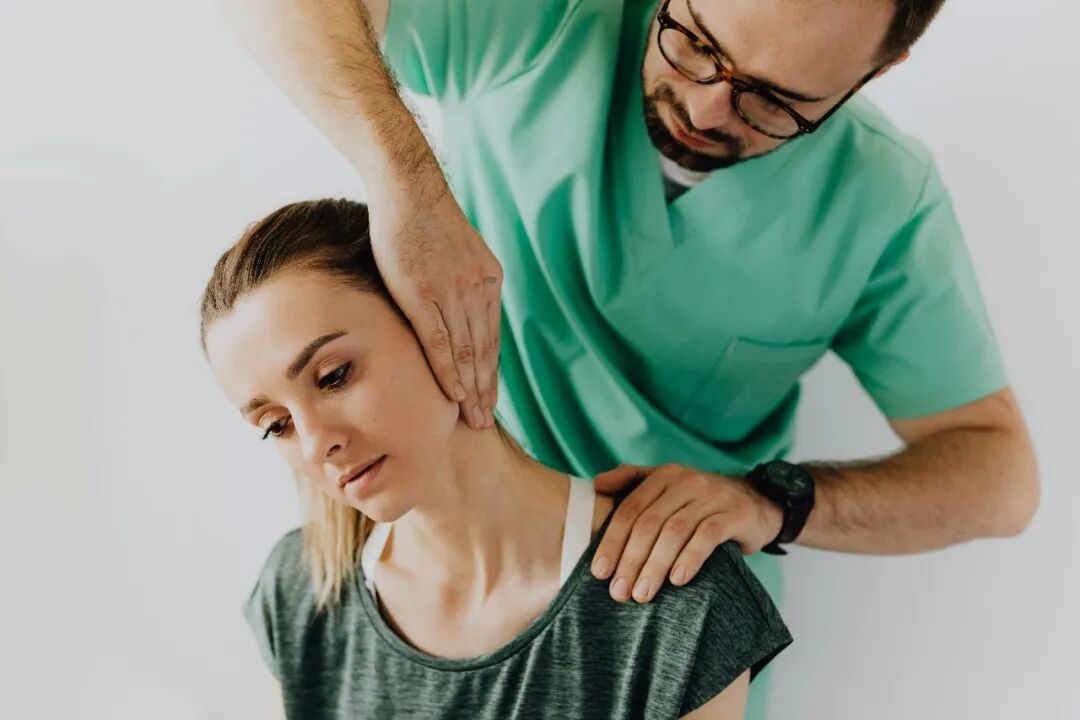
Manual therapy: Improve joint mobility and release deep muscle tension
Physical modalities: Ultrasound or electrical stimulation to reduce inflammation and pain
Exercise therapy: Guided jaw control and neuromuscular coordination training
Occlusal splints: Custom night guards to reduce grinding, redistribute pressure, and stabilise the joint
Medication: Short-term anti-inflammatory or muscle relaxants if needed
Stage 3: Long-term and targeted management
For a small number of patients:
Stress management and psychological support
Orthodontic or bite correction
In rare cases, minimally invasive procedures or surgery
Am-Sino Sports Rehabilitation Team
At Am-Sino Healthcare, our sports rehabilitation team follows an international treatment philosophy based on the standards of the American Physical Therapy Association (APTA). Led by Dr. Shuna Gong, a rehabilitation specialist for national team athletes, we combine expertise in sports medicine and rehabilitation with evidence-based practices. We offer personalized performance enhancement plans, effective injury prevention strategies, treatment options, and tailored rehabilitation programs for every patient.

Wechat Enquiries
& Appointments
Scan the QR code above to contact our team and learn more.