

Every Week Counts: Understanding (and Avoiding) Preterm Birth
Preterm birth- when a baby is born before 37 weeks of pregnancy- is one of the most important issues affecting newborn health worldwide. While many babies born early do very well, understanding the risks, causes, and warning signs can help parents be more prepared and confident.
Why do babies come early?
According to the World Health Organization, a baby born before 37 weeks of pregnancy is considered preterm.
Globally:
Around 1 in 10 babies are born preterm
This rate has remained relatively stable in recent years, though it varies by region and population
Preterm birth is further classified as:
Late preterm: 34–36 weeks
Moderate preterm: 32–34 weeks
Very preterm: <32 weeks
The earlier a baby is born, the higher the likelihood of needing medical support after birth.
The terms ‘Preterm’ and ‘premature’ are often used interchangeably, or to define certain stages of early birth. However, ‘preterm’ simply indicates being born at an earlier timing and is the more accurate medical term. ‘Premature’ is more general and commonly used in everyday language, however since it implies an underdevelopment rather than a birth timing, healthcare professionals usually use ‘preterm’ when talking about babies born early.
Why do babies come early?
In many cases, there is no single clear cause.
Approximately two-thirds of preterm births occur spontaneously
About one-third are associated with identifiable risk factors
Previous preterm birth
Multiple pregnancy (twins or more)
Maternal age under 18 or over 40
Chronic or pregnancy-induced conditions such as hypertension or diabetes
Infections during pregnancy
Smoking (including vaping) or drug use
Maternal underweight or overweight
Very short intervals between pregnancies
Even with these known factors, preterm birth can still occur in pregnancies with no obvious risks.
What are the outcomes of preterm birth?
Most preterm babies do well, particularly those born closer to term. However, babies born early are more vulnerable in the first weeks of life.
Possible complications include:
Breathing difficulties
Feeding challenges
Increased risk of infection
Temperature instability
Longer hospital stays
Long-term physical or developmental challenges
These risks are highest in babies born before 32 weeks, but even those born slightly early (34–36 weeks) can still need additional care.
What’s important to understand about these outcomes:
While preterm birth is relatively common, severe outcomes are not evenly distributed, and the earlier a baby is born, the higher the risk:

Slide to read more

When should you contact your doctor?
Recognising early signs of preterm labour is important.
You should seek medical advice if you experience any of the following before 37 weeks:
A change in vaginal discharge (watery, stained, smelly or bloody)
Pelvic or lower abdominal pressure
Persistent low back pain
Abdominal cramps (with or without diarrhea)
Regular uterine tightening or contractions that don’t go away if you change your position or activity
Suspected rupture of membranes (a gush or steady leak of fluid)
A change in your baby’s normal movements
‘Kick Counts’ is a simple method you can use to identify issues earlier and improve birth outcomes.
If you are unsure, it is always appropriate to get checked- early assessment can make a significant difference.
Why your care counts:
Preterm birth is often unpredictable, and in many cases, cannot be prevented. The key point here is that outcomes improve quickly with each week of pregnancy, especially after 28 weeks. Receiving regular (and comprehensive) prenatal care, recognising symptoms and accessing early intervention is important to reduce risk.

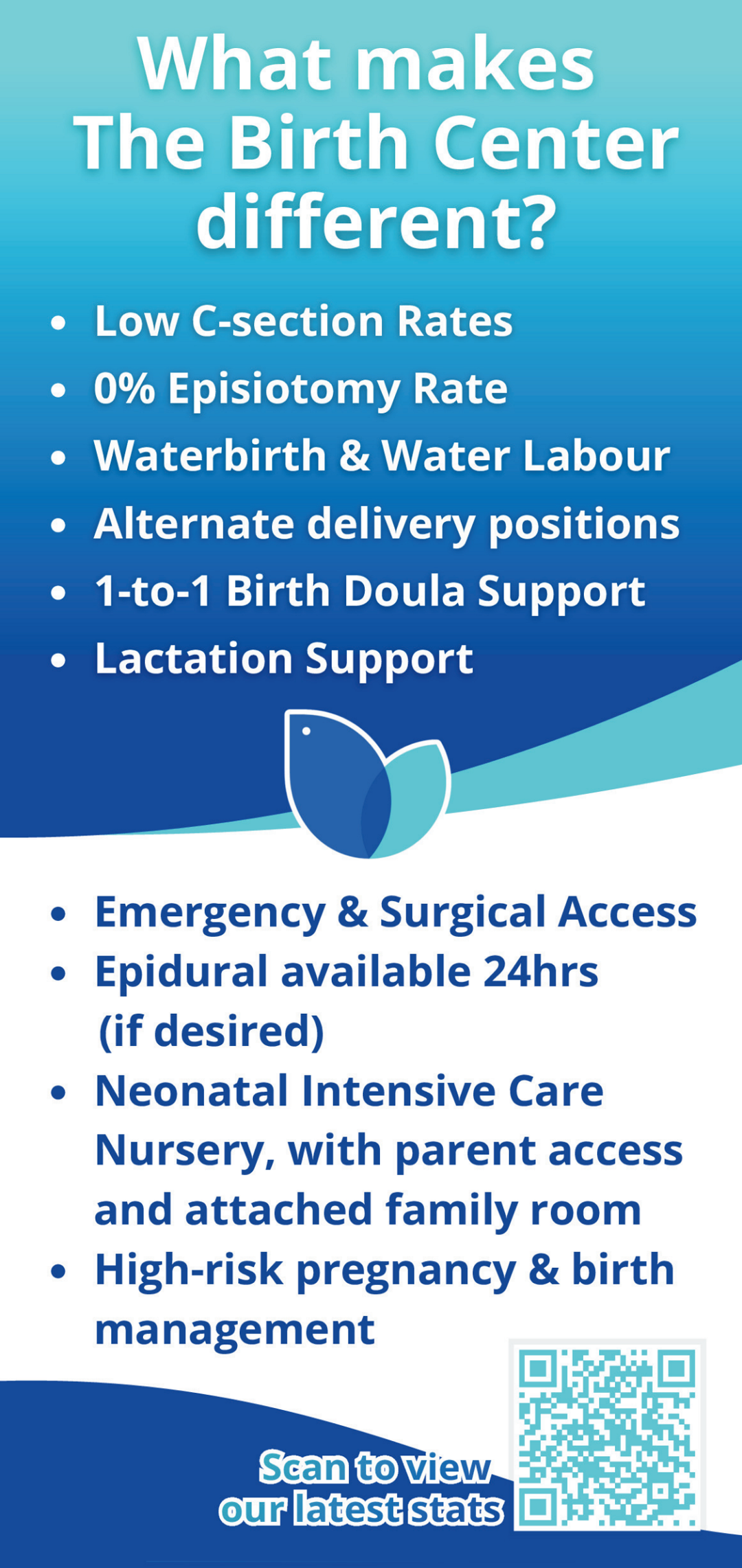
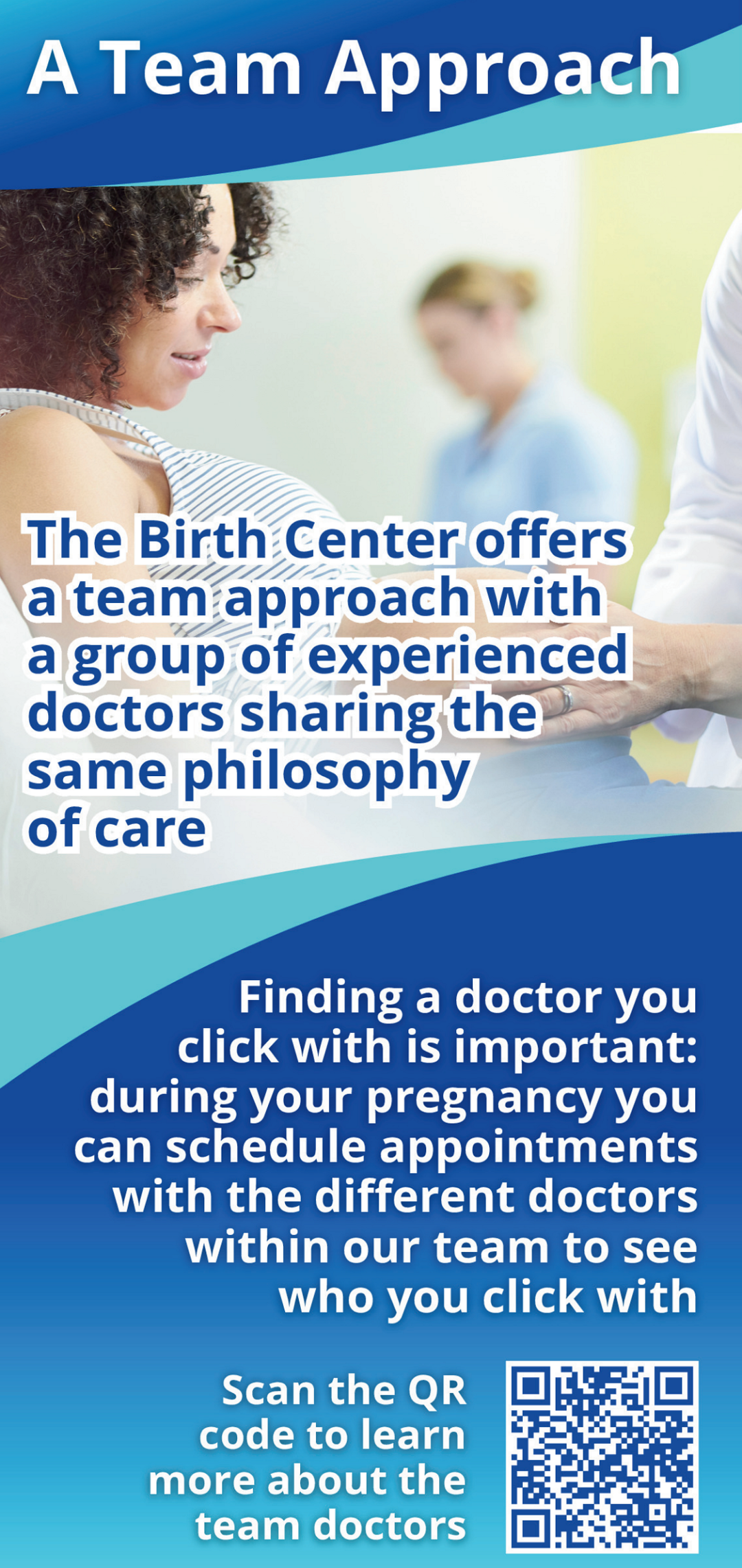
In some settings, obstetric care is delivered with the focus only on the incubating uterus and the fetal growth, and very little of the parent’s own medical health and history is considered. At The Birth Center, our doctors are up to date on the latest international guidelines for assessing risk based on whole-person information, and the protocol for risk reduction measures based on these algorithms. The proof of these efforts is in the numbers- whilst our clientele is more often considered “high-risk” (due to generally being older and with more concurrent health conditions), not only is our C-section rate incredibly low, but we also have a very low NICU transfer rate. You can view all our updated quality indicator stats here.
When it comes to avoiding preterm birth, staying informed, choosing a team that understands and is dedicated to reducing your risk of early birth, and seeking advice promptly if something feels different are simple but powerful steps you can take to support a healthy pregnancy.
For personalised guidance or support during your pregnancy, Am-Sino's International Patient Services team is available to assist.

Wechat Enquiries
& Appointments


Scroll right to see more.

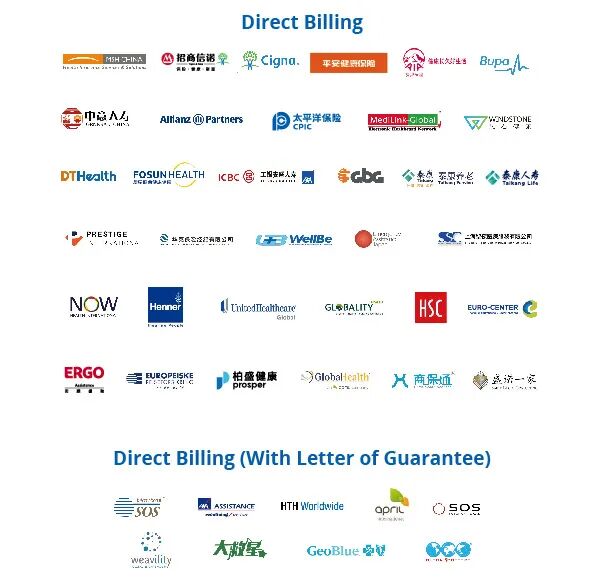
- Insurance Partners -
- Service Information -
Address: 17 Floor, 155 Songyuan Road,
Xuhui District, Shanghai
9:00 - 17:00 Monday to Saturday
- Contact us -

WeChat Enquiries
& Appointments