

A Mother's Letter: Autism Isn't a Tragedy

By Louise Hubbard Roy, Director of International Patient Services… and mother of two children with autism.
When I hear public figures like RFK Jr. or Trump claim that autism “destroys families,” my heart sinks because I personally know how wrong that narrative is.
I’m the mother of two incredible teenagers; both diagnosed with level 2 autism. Life in our house isn’t always easy, but my kids are amazing. They are empathetic, observant, hilarious, creative, and so clever it sometimes scares me. Yes, they think in unique ways, struggle with change, and don’t always read the room- but they have deep friendships and experience the world with an honesty and integrity that astounds me.
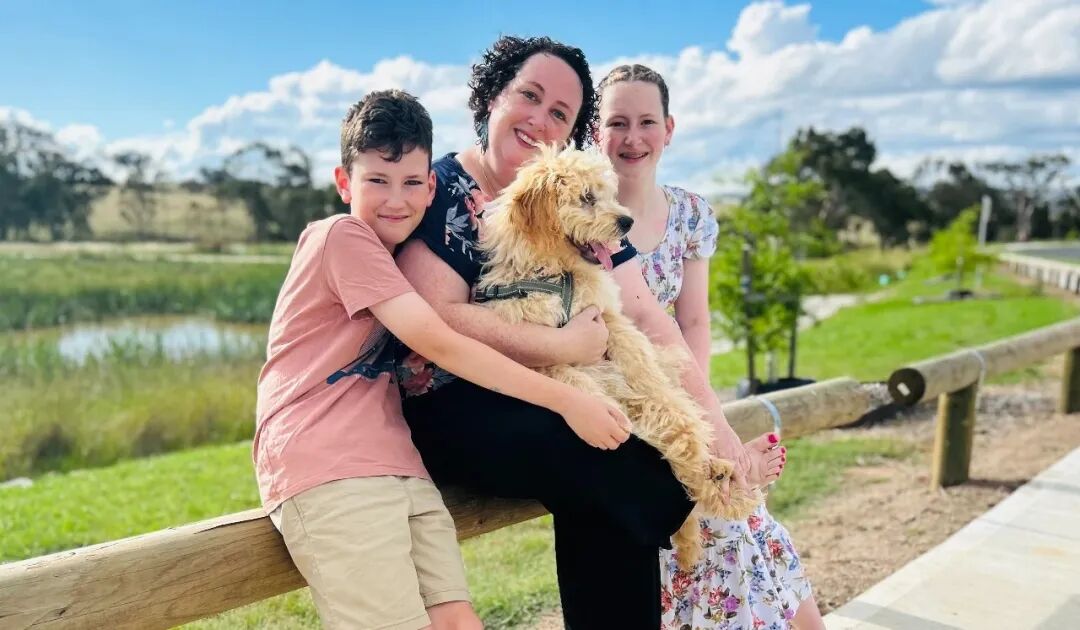
The biggest challenges they face don’t come from autism itself, but from a society that doesn’t accommodate neurological diversity. This was never clearer than recently when my 13-year-old asked, “What’s so wrong with having autism anyway?” while watching the U.S. president engage in yet another diatribe on the subject.
My clever, loving, funny child was hearing one of the most famous people in the world essentially call them an aberration- and my heart broke.
The idea of curing autism suggests that my kids are broken, but erasing their autism would erase a huge part of the essence of who they are: their out-of-the-box creativity, hilarious honesty, and incredible depth of thinking.
The real truth? Fear, stigma, and misunderstanding destroys families more than autism itself ever will.
Breaking the Myth of “Lost Potential”
When RFK Jr. says autistic kids will “never pay taxes, hold a job, play baseball, write a poem, or go on a date,” he’s wilfully ignoring reality. There are autistic adults thriving in every field- writers, artists, engineers, musicians, professors, entrepreneurs, and activists. They pay taxes, start businesses, raise families, and change the world. They just do it differently.
When it comes to intellectual functioning, this varies among autistic individuals- just as it does in the rest of the population- and is not a defining characteristic of autism. The narrative that people with autism all have lowered I.Q. is insulting: in fact, if you search “geniuses throughout history with autism,” you’ll find that many of the world’s greatest innovators and creators are now believed to have been autistic.

It’s true that some children with autism face significant challenges and may require substantial lifelong support. I don’t pretend to understand how profoundly difficult this is for them and their families. However, it’s important to remember that this represents one end of the spectrum, not the most common experience of autism.
People who can’t see those with autism as fellow-humans who are living, loving and contributing to society in a multitude of ways are simply proving their own personal bias against neurodivergence.
There is no “Autism Epidemic”
It’s time to stop treating the rise in autism diagnoses as a mystery or a crisis- it’s simply being better recognized.
Decades ago, many autistic people were overlooked because of narrower diagnostic criteria. Today, broader definitions, better awareness, and improved screening mean more people- especially girls and adults once seen as “shy” or “odd”- are finally being identified as having autism.
Logically, total numbers of people with autism were also obviously increased when, in 2013, Asperger’s Syndrome and Autistic Disorder were combined into one condition: Autism Spectrum Disorder.
RFK Jr. likes to claim that he never saw autistic people as a child. At that time, due to lack of community support the parents of struggling autistic children were often left with no option than to send their kids to institutions where care (and resulting life-expectancy) was deplorable. Others learned to mask their differences to survive in a society that didn’t understand them.
For RFK Jr. to question autism’s existence based on his childhood ignorance (and sheltered social priviledge) is like me, an Australian, questioning whether Americans existed 40 years ago simply because I didn’t know any at the time.
Where does Autism come from?
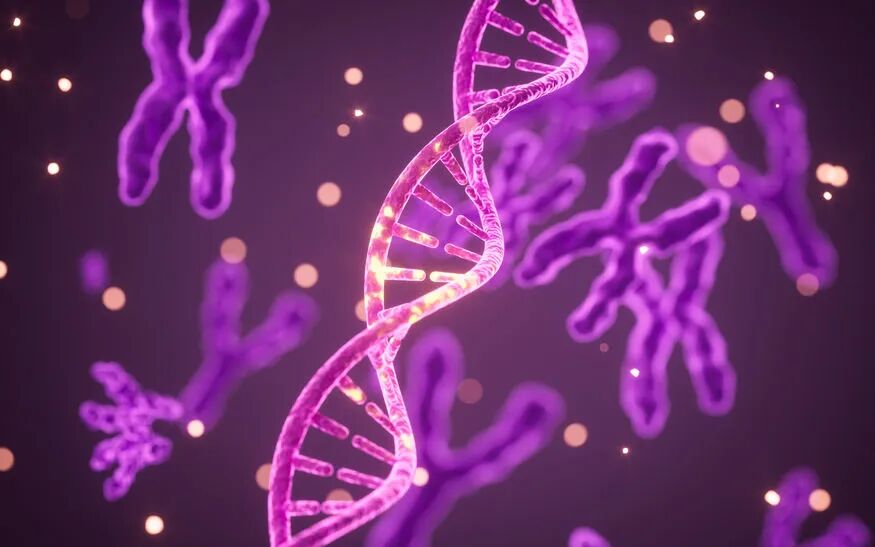
Some still chase the idea that autism must have an external cause - a toxin, a vaccine, or a medication taken in pregnancy, but this narrative overlooks a wealth of robust scientific research showing that autism is primarily inherited. Large-scale twin and family studies have consistently demonstrated genetic factors account for 70–90% of autism, although more research is needed to understand why the genetics are expressed differently across multiple family members.
It is a common joke that an older person will claim that there was no autism in their time, only to go on to proclaim their own dislike for social gatherings, discuss their extensive collection of rocks and demonstrate an encyclopedic knowledge of WWII aircraft… all while declaring - without a shred of irony- that if autism is inherited, their grandchild must have got it from the other side of the family. Sometimes we just don’t see the neurodivergence in ourselves, since to us, it is the norm.
Understanding What We Once Feared
“If autism is genetic, why was my friends’ baby perfectly normal until one day she just changed”.
For centuries, people have tried to make sense of why some infants seemed to develop normally before slowing in progress. Long before autism had a name, such children in Europe were called ‘changelings’- believed to be stolen by fairies and replaced with a fairy mimic.
The desire for an external cause was so strong that parents and communities invested in this myth to the extent that changelings were subjected to cruelty, abandoned or even killed in attempts to drive the fairies out.
Similarly, modern parents often notice a child “change” in toddlerhood and seek an external cause. Yet research now shows that these children didn’t really change overnight after all: autism is present from birth, and it’s associated differences are subtly noticeable to the trained eye long before the time when most parents will recognize them.
Modern ‘Changelings’ in the Age of Misinformation
When public figures today clutch at straws to blame a vaccine, toxin or medication for the so-called “sudden” development of autism, they are repeating the same old pattern of fear (this time dressed up as science) to explain the misunderstood.
This modern echo of the changeling myth disregards decades of rigorous evidence and instead draws time, funding, and attention away from further research into gene-based therapies that may help those on the end of the spectrum struggling to thrive. It also fuels the idea that autistic people are damaged, ultimately harming the very children they claim to defend.
Acceptance Is the Real Cure
Autism is not the villain. The real harm comes from stigma and exclusion: schools that fail to support all learners, workplaces that overlook neurodivergent talent, and politicians who divert funding from real scientific research while making unfounded accusations in an attempt to prop-up their own wobbling soapboxes.
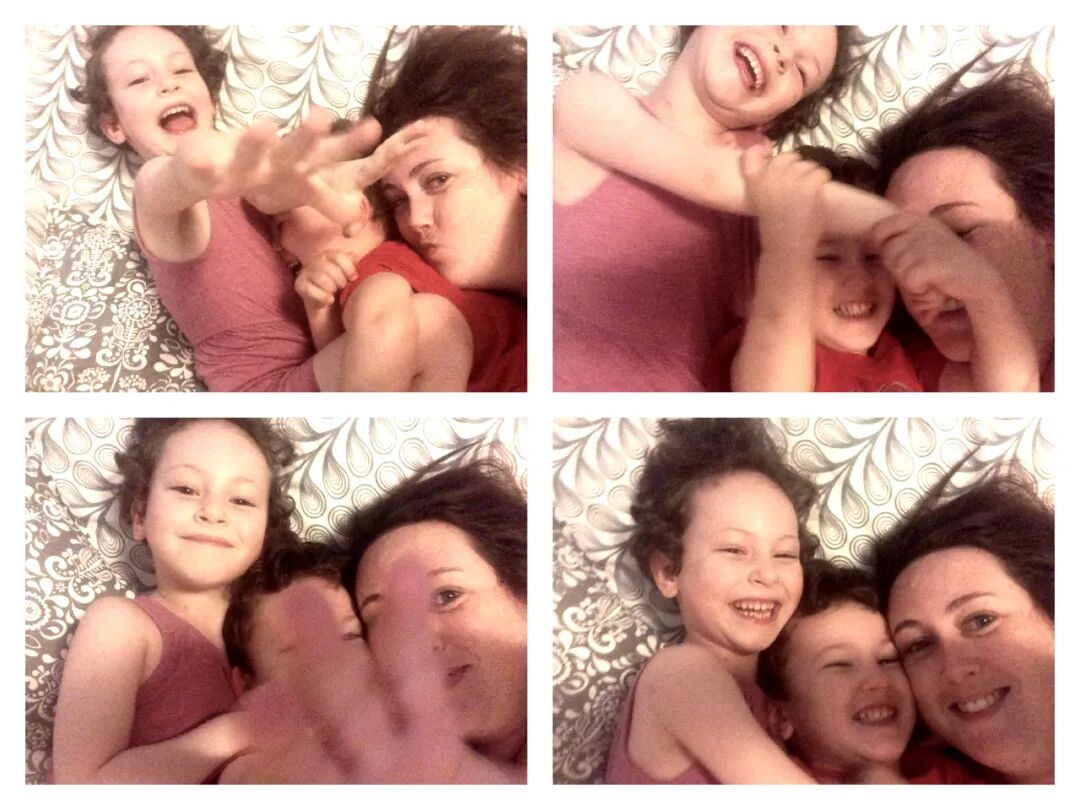
My children aren’t broken- they are different. They don’t need a cure, they just need a society that values, rather than demonizes, minds like theirs.
Ultimately, this is a world we should all want to live in.
References
American Psychiatric Association. (2013). Diagnostic and statistical manual of mental disorders (5th ed.). American Psychiatric Publishing.
Bai, D., et al, (2019). Association of genetic and environmental factors with autism in a 5-country cohort. JAMA Psychiatry, 76(10), 1035–1043. https://doi.org/10.1001/jamapsychiatry.2019.1411
Briggs, M. (2006). Changelings and autism: The origins of an idea. Journal of Folklore Research, 43(3), 271–296. https://doi.org/10.2979/jfr.2006.43.3.271
Centers for Disease Control and Prevention. (2023). Autism and Developmental Disabilities Monitoring (ADDM) Network 2023 report. U.S. Department of Health and Human Services. https://www.cdc.gov/ncbddd/autism/data.html
Evans, B. (2013). How autism became autism: The radical transformation of a central concept of child development in Britain. History of the Human Sciences, 26(3), 3–31. https://doi.org/10.1177/0952695113484320
Happé, F., & Frith, U. (2020). Annual research review: Looking back to look forward—Changes in the concept of autism and implications for future research. Journal of Child Psychology and Psychiatry, 61(3), 218–232. https://doi.org/10.1111/jcpp.13176
Sandin, S., Lichtenstein, P., Kuja-Halkola, R., Larsson, H., Hultman, C. M., & Reichenberg, A. (2017). The heritability of autism spectrum disorder. JAMA, 318(12), 1182–1184. https://doi.org/10.1001/jama.2017.12141
Silverman, C. (2012). Understanding autism: Parents, doctors, and the history of a disorder. Princeton University Press.
Tick, B., Bolton, P., Happé, F., Rutter, M., & Rijsdijk, F. (2016). Heritability of autism spectrum disorders: A meta-analysis of twin studies. Journal of Child Psychology and Psychiatry, 57(5), 585–595. https://doi.org/10.1111/jcpp.12499
World Health Organization. (2022). Autism spectrum disorders – Key facts. https://www.who.int/news-room/fact-sheets/detail/autism-spectrum-disorders
As we strive to create a more inclusive and understanding world for individuals with unique needs, it is essential to recognize the importance of accessible and specialized support. At Am-Sino, we are committed to providing comprehensive care and services tailored to the diverse needs of children with various developmental differences. Our dedicated team of professionals is passionate about fostering an environment where every child can thrive, regardless of their specific challenges. We invite you to learn more about our specialized clinic, which is designed to offer the highest quality of care and support for these remarkable individuals.
Am-Sino Child Development Center
(LIH Olivia's Place Pediatric Clinic)
Introduction
Am-Sino Child Development Center (LIH Olivia’s Place Pediatric Clinic) comprises departments in Pediatrics, Child Development, and Psychiatry, and is staffed by experts in child development, internal medicine, rehabilitation medicine, occupational therapy, physical therapy, speech therapy, and psychological therapy from both China and abroad.
Am-Sino Child Development Center (LIH Olivia’s Place Pediatric Clinic) provides health management for all children, as well as tailored therapies and behavioral intervention services for children with special medical or educational needs, such as autism spectrum disorders, developmental delays, ADHD, cerebral palsy, and Down syndrome.
Service Scope
Comprehensive developmental screenings, diagnostic evaluations, medical treatments and therapies for people aged 0-18 years old. Designed to cover any arising needs throughout the complete growth and development process, such as for:
Autism Spectrum Disorders (ASD)
Sensory Processing Disorders (SPD)
Developmental Coordination Disorders (DCD)
Learning Disorders
Developmental Delays
Articulation Disorders (Speech Sound Disorders)
Communication Problems
Premature and High-Risk Infant Early Intervention
Attention Deficit Hyperactivity Disorder (ADHD)
Cerebral Palsy (CP)
Other Developmental Problems

WeChat Enquiries
& Appointments