


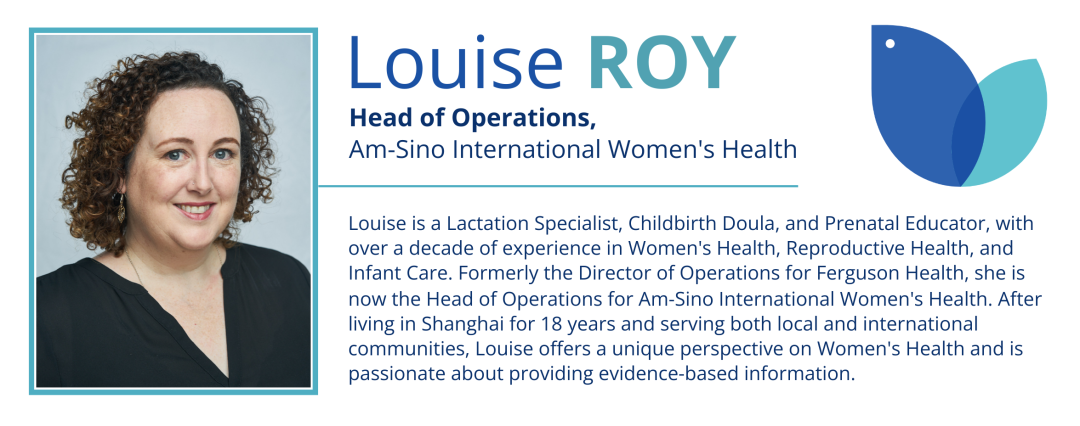
By Louise Hubbard Roy, Director of International Patient Services
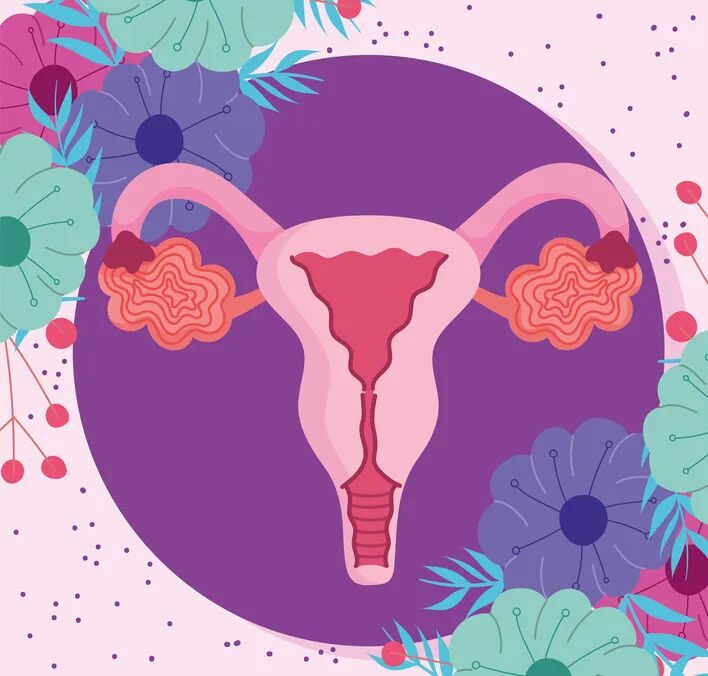
For centuries, women’s pain and illness have been filtered through myths, moral judgments, and medical bias. One of the most revealing examples comes from ancient Greece, where physicians believed a woman’s uterus could literally move around her body, causing suffocation, anxiety, or madness. It's may be hard to believe, but this imagined “wandering uterus” still shapes how women’s health is understood (and treated) to this day.
The Myth of the Wandering Uterus
The idea first appeared in the writings of Hippocrates in the 4th and 5th centuries BCE. The uterus was described as an independent, mobile organ that could travel through the body if deprived of sexual activity or pregnancy. When it “wandered,” it was said to press on other organs, producing symptoms from fainting and choking to depression or paralysis. Treatments aimed to coax it back to its rightful place using strong-smelling substances to “lure it down,” or prescribing pregnancy to keep it “satisfied.”
Absurd as it sounds today, this belief that the uterus is the source of most female ailments persisted for more than 2,000 years. By the 19th century, the wandering uterus had been replaced by another catch-all diagnosis: hysteria. Although they stopped claiming that the uterus was backpacking around the body on its own special gap year, the word hysteria comes from the ancient Greek word hystera (ὑστέρα), meaning - you guessed it- uterus.

The diagnosis of hysteria at that time covered nearly any symptom in women that defied explanation: pain, anxiety, insomnia, sexual desire, fatigue, seizures, or depression. Ultimately, this idea that women’s emotions and stability were governed by their reproductive organs gave the largely male medical community permission to dismiss their complaints as exaggerated, self-inflicted, or imaginary.
From Hysteria to “It’s All in Your Head”
As medicine advanced, hysteria was reclassified as a psychological rather than a gynecological disorder. But the association between women’s emotions and their biology endured and the shadow of the wandering uterus still lingers.
Modern research shows that women are still more likely than men to have their symptoms attributed to stress or psychological causes such as anxiety before receiving a physical diagnosis. In emergency departments, women presenting with chest pain wait longer for assessment and are less likely to be referred for cardiac testing- even though heart disease is a leading cause of death for women.
Conditions such as endometriosis, autoimmune diseases, and chronic pain are frequently dismissed or misdiagnosed for years. On average, women with endometriosis wait between 7 and 10 years for a correct diagnosis. Many report being told their pain is “normal,” “stress-related,” or that they are simply “too sensitive.”

Gender Bias in Modern Medicine
This isn’t just about individual prejudice- it’s systemic. For decades, clinical trials largely excluded women, meaning drug dosages, symptom lists, and diagnostic criteria were based almost entirely on the male body. Conditions that manifest differently in women- like heart attacks or ADHD- went under-recognized because they didn’t match the “typical” (a.k.a. male) presentation.
As a result, women often face longer diagnostic journeys, higher rates of misdiagnosis, and a greater emotional toll. Men, by contrast, are more likely to have their symptoms taken at face value and investigated promptly.
A Personal Story
I personally experienced this when I was 12 years old and spent a week in hospital in excruciating abdominal pain. Countless doctors and nurses repeatedly insisted that I must be experiencing the discomfort of my impending first menstrual period, even though my pain was primarily only on my right side. A week later I finally had my appendix removed, swollen, terribly infected and about to burst.
Between the time I was admitted until I received the surgery, a 13-year-old boy came in with the same symptoms, was diagnosed with appendicitis, operated on and discharged home, all before my pain was taken seriously as anything other than the cost of being born female.
Moving Beyond Hysteria’s Shadow
The myth of the wandering uterus may be gone, but its legacy survives in every delayed diagnosis and every woman told to “just relax.” Medicine is changing, with growing recognition of the need for sex-specific research, gender-sensitive training, and patient advocacy. But real progress depends on unlearning centuries of reflexive dismissal- those knee-jerk (or just plain jerk) reactions that still shape much of healthcare today.

Reframing Women’s Health
Women’s Health is not confined to reproductive organs- it’s about comprehensive, top-to-toe care delivered by experts in the female body and its distinct physiology. True equity in healthcare requires not just inclusion but understanding: the recognition that biology, hormones, and life stages influence everything from metabolism to mental health- but that this should result in tailored care rather than just delayed treatment.
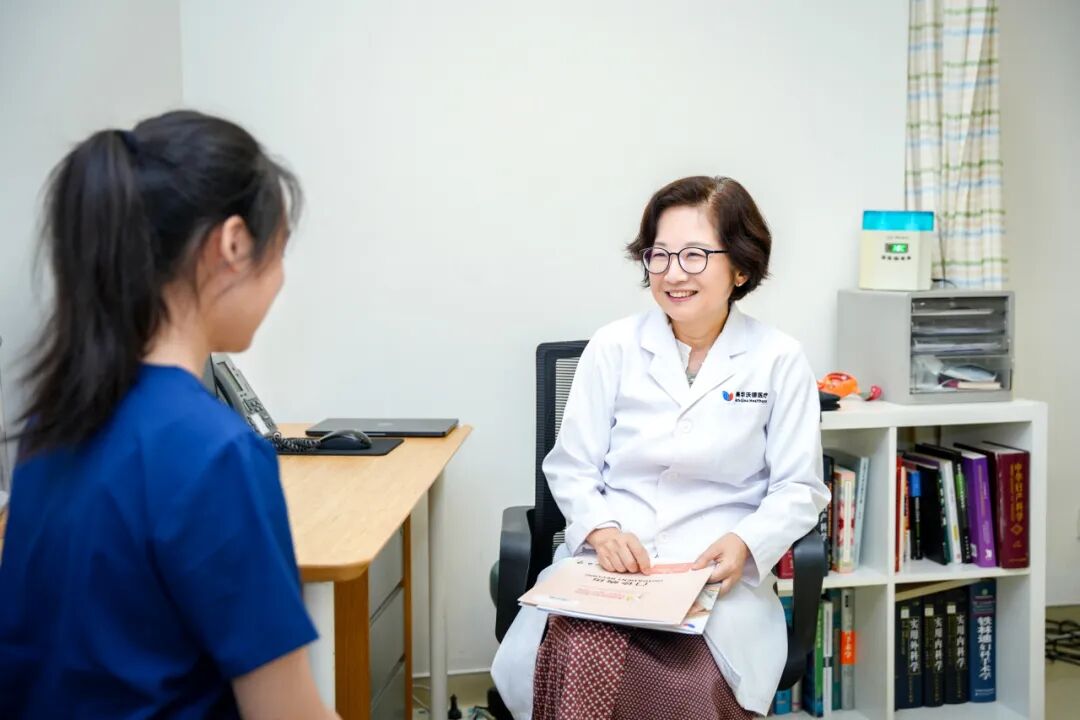
That is why, at Am-Sino Healthcare, we have spent more than 20 years dedicated to advancing the health of women and children. Founded on the belief that people with a uterus- wandering or not- deserve to have their symptoms taken seriously and their care individualized. At the Am-Sino Family Practice we continue to champion Women’s Health as a core strength, while extending that same standard of expert, evidence-based care to every member of the family: from preventive screenings to complex diagnostics. Our approach is built on evidence, shaped by expertise, and led with empathy- because everyone deserves care that is tailored to their unique self.

Am-Sino
International Women's Health
The Women's Health Center offers personalized, comprehensive health management plans tailored for each woman throughout her life cycle.
Dedicated to providing the latest in international medical standards, the comprehensive health services cover the needs of women of all ages:
Adolescent health and education
Endocrine disorders; premature ovarian failure
Infertility and high-risk pregnancies
Preconception preparation & genetic counselling
Menopausal and aging health management
Urinary incontinence, pelvic floor dysfunction
Gynecological conditions (cervical, ovarian, uterine)
Sexual health & sexual dysfunction
Adolescent health and education
Aesthetic medicine
Mental health management
The Am-Sino Women's Health Center follows a multidisciplinary collaborative model, providing comprehensive health management from prevention to treatment. Regardless of your stage of life, we will tailor a personalized health plan for you, providing exclusive care and support.