RSV in Babies: When Caring at Home is Appropriate and Warning Signs Every Parent Should Know

Dr. Charlotte Shen
Paediatrician
Dr. Charlotte Shen brings advanced pediatric training from Harvard-affiliated Boston Children's Hospital and Mount Auburn Hospital, with years of experience at a leading pediatric center in Shanghai. She specializes in childhood respiratory and digestive conditions, allergic diseases, neurological disorders, and comprehensive child health, and holds pediatric emergency certifications (BLS/PALS).
As the weather turns cooler and respiratory viruses begin to circulate more widely, RSV (respiratory syncytial virus) becomes a concern for many parents. When your baby starts coughing, wheezing, or running a fever, it is natural to wonder: Is this just a cold, or is it something more serious? Do we need to rush to the emergency room, or can we manage this at home?
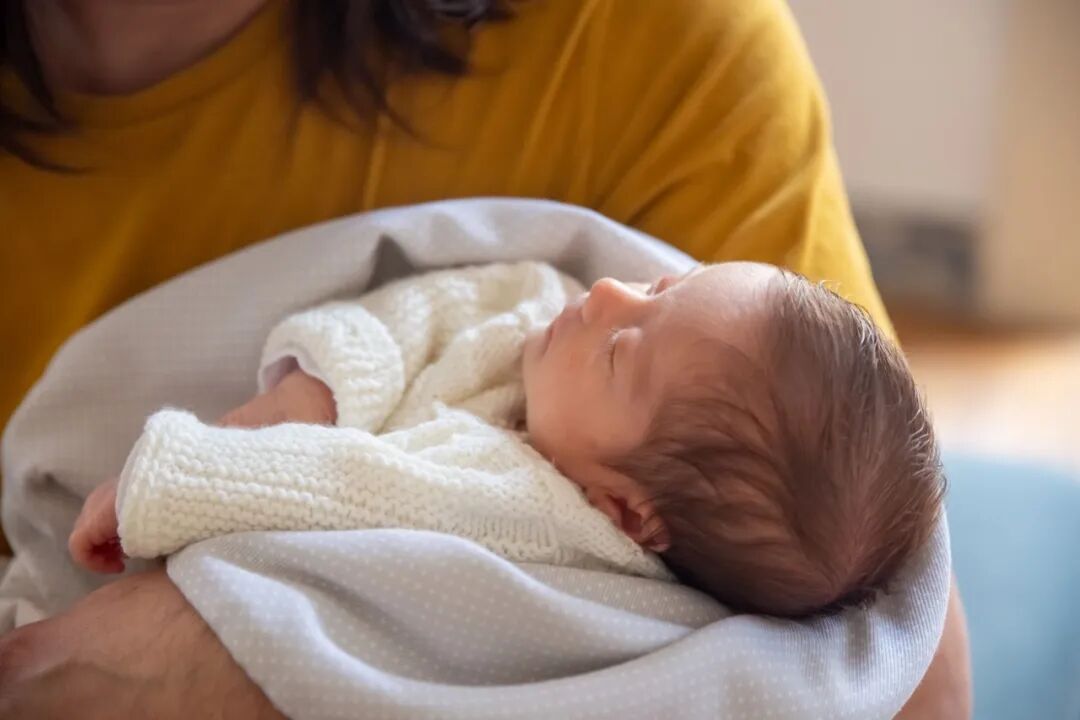
What Parents Should Know
Home Care vs. When to Seek Help
RSV is common; nearly all children have been infected by age two¹. In healthy infants and toddlers, it usually causes a mild, self-limiting cold-like illness manageable at home, and most RSV bronchiolitis does not require hospitalization.
However, babies under three months, premature infants, and those with chronic lung or heart disease may rapidly develop severe breathing difficulty, making it crucial to distinguish mild cases that can be monitored at home from those needing urgent care.
Respiratory Red Flags: When Your Child Needs Urgent Medical Care
Some babies are at higher risk of severe illness and should be assessed early even if symptoms seem mild, the following warning signs mean it is time to seek urgent medical care. Contact your doctor or go to urgent care/emergency if your child:

Is breathing very fast or working hard to breathe (you can see the skin between the ribs or at the neck pulling in)

Has pauses in breathing or looks like they are tiring out

Is feeding poorly or has significantly fewer wet nappies

Appears unusually sleepy, floppy, or difficult to wake

Has a blue or grey colour around the lips or fingertips

Is under 3 months old with any breathing difficulty or fever

Shows signs of dehydration (dry mouth, no tears, sunken soft spot in babies)
Trust your instincts. If you feel something is not right, have your child checked.
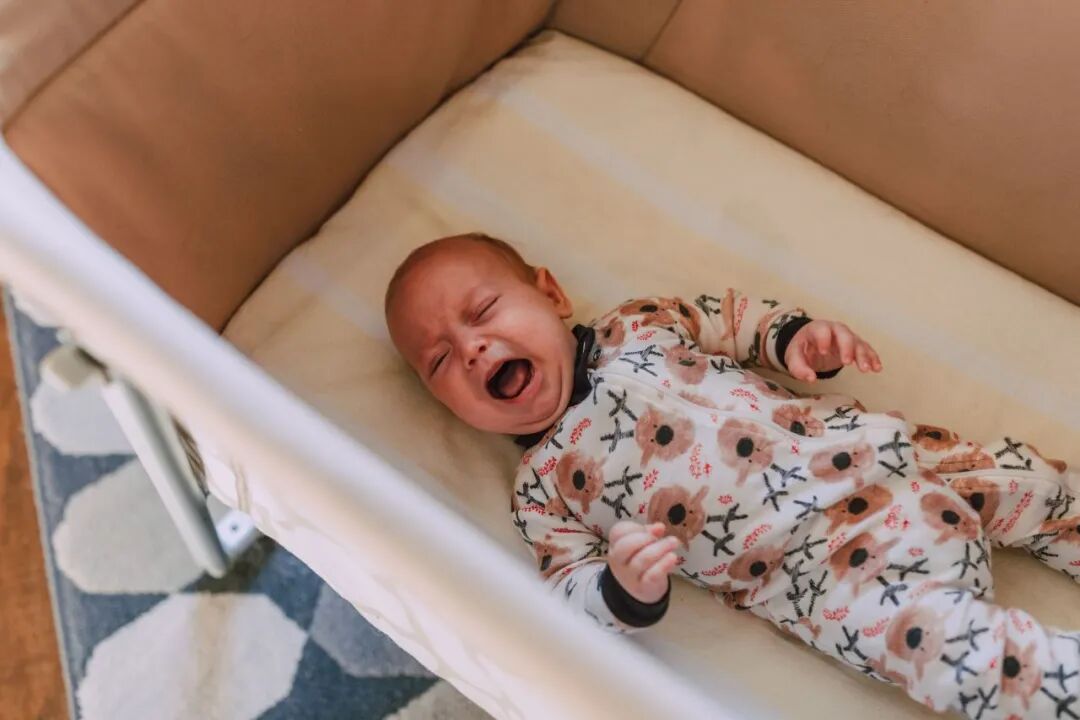
When Home Care Is Usually Appropriate
Your baby can typically be cared for at home if they:

Are feeding reasonably well and having regular wet nappies

Are alert and responsive between periods of rest

Have a cough and runny nose but are not struggling to breathe

Have a mild fever that responds to comfort measures

Are over three months of age and otherwise healthy
In these situations, the focus is on keeping your baby comfortable, well-hydrated, and closely monitored while their immune system clears the virus.
RSV at Home
How to Care for Your Child
There is no specific medicine that cures bronchiolitis. Antibiotics do not help because it is caused by a virus. The focus is on supporting your child while their body clears the infection.











Most children with mild bronchiolitis can be safely cared for at home with these measures.
Prevention Tips
How to Protect Your Baby from RSV
Most cases of bronchiolitis are caused by RSV. While it is difficult to avoid the virus completely, everyday protective habits can significantly reduce the risk of severe illness.

Wash hands thoroughly with soap and water before handling your baby, after changing nappies, and after being outdoors.

Keep young infants away from people with colds or respiratory symptoms whenever possible, especially in the first few months of life.

Avoid exposure to cigarette smoke and vaping aerosols as they can irritate the airways and make RSV infections more severe.

Clean frequently touched surfaces and limit time in crowded indoor spaces during peak RSV season when practical.
Nirsevimab (Beyfortus)
RSV Monoclonal Antibody Protection
In addition to everyday hygiene, nirsevimab, also known as Beyfortus, is a long-acting monoclonal antibody given as a single injection that provides immediate protection against severe RSV disease for several months.
Where available and according to local guidelines, it is recommended for most infants entering their first RSV season, and may also be offered to some higher-risk children entering their second season. Maternal RSV vaccination during pregnancy can also help protect newborns.
If you're wondering whether your baby still needs Nirsevimab after mom received the RSV vaccine during pregnancy, read our detailed guide on who should receive it, when to get it, expected side effects, and how to discuss it with your paediatrician: Protect Your Baby Against RSV
——
Related Reading
If your baby has a cough and wheeze and you are wondering whether it is RSV or asthma, see our detailed guide on symptom recognition and when to seek testing: How to Tell the Difference Between Asthma and RSV in Children
Reference:
1. World Health Organization (WHO). Respiratory Syncytial Virus (RSV) — Fact Sheet. https://www.who.int/news-room/fact-sheets/detail/respiratory-syncytial-virus-(rsv)

Wechat Enquiries
& Appointments