


Low-Dose Aspirin for Preeclampsia Prevention
Many people are surprised when their doctor recommends taking low-dose aspirin during their healthy pregnancy. If every check-up has been reassuring, it’s natural to wonder why a daily medication is necessary.
The answer is simple: low-dose aspirin is used for prevention, not treatment. It is recommended for women who have an increased risk of developing preeclampsia, and helps to reduce that risk before problems arise.
Preeclampsia affects around 2–8% of pregnancies worldwide and remains one of the leading causes of complications for both pregnant people and their babies.
It can lead to high blood pressure, damage to organs such as the kidneys and liver, poor fetal growth, preterm birth, and, in severe cases, life-threatening complications or even death.
Preeclampsia often develops without obvious early symptoms, and it cannot be reversed while the pregnancy continues. The only true cure is the delivery of the baby and placenta, which makes prevention measures against the condition developing in the first place especially important.
Research has consistently shown that for women at increased risk, starting low-dose aspirin between 12 and 16 weeks of pregnancy offers the greatest benefit. Both Chinese and international obstetric guidelines recommend this approach.

01
What is Preeclampsia?
Understanding the condition
Preeclampsia is a pregnancy-specific condition that usually develops after 20 weeks of pregnancy. It is characterised by new-onset high blood pressure together with protein in the urine or other signs that organs such as the kidneys, liver, brain or blood-clotting system are being affected.
Some women experience headaches, visual disturbances, pain beneath the ribs, or sudden swelling, while others may have few noticeable symptoms.
Without treatment, preeclampsia can progress to eclampsia, a serious condition involving seizures, stroke, coma or death. While medications can be given to reduce blood pressure and prevent seizure, the only definitive cure is to deliver the baby. For expediency (and other risk management) this may involve a C-section, and preterm birth complications for the baby need to be balanced against the risk of continuing an eclamptic pregnancy, and ultimately may result in the baby being born prematurely.
02
How Does Aspirin Work?
The mechanism of prevention
Preeclampsia is thought to begin very early in pregnancy, when the blood vessels supplying the placenta do not develop as effectively as they should.
Low-dose aspirin helps by reducing platelet activation and improving blood flow through the placenta. It also helps maintain a healthy balance between substances that regulate blood vessel function, supporting normal placental development during early pregnancy.
Rather than treating established preeclampsia, aspirin works by lowering the likelihood that it will develop in the first place.

03
Should every pregnant woman take aspirin?
Risk-based recommendations
No. Low-dose aspirin is recommended only for women who are considered to have an increased risk of preeclampsia. Your healthcare provider will assess your individual risk based on factors such as your medical history, previous pregnancies, blood pressure, age, BMI, ethnicity, and other clinical findings.
For women at low risk, maintaining a healthy lifestyle and attending regular prenatal care remains the most effective approach, with aspirin not recommended.
04
Healthy Habits Still Matter
Supporting a healthy pregnancy
Medication is only one part of prevention. Healthy lifestyle choices also support a healthy pregnancy.

Stay physically active:Aim for around 150 minutes of moderate exercise each week, such as brisk walking, swimming or prenatal yoga.

Eat a balanced diet:Plenty of vegetables, fruit, whole grains and lean protein support overall cardiovascular and metabolic health, and optimal, gradual pregnancy weight gain.

Get enough calcium and vitamin D:Most pregnant women require about 1,000 mg of calcium each day, ideally from dietary sources unless supplementation is recommended by their healthcare provider.

Aim for a healthy weight before pregnancy:Entering pregnancy at a healthy weight reduces the risk of preeclampsia and several other pregnancy complications.

05
Tips for taking low-dose aspirin
Practical guidance
Many specialists recommend taking low-dose aspirin at bedtime, although the most important factor is taking it consistently each day.
It may be taken with or without food. If you experience stomach discomfort, taking it after a meal is perfectly acceptable. If you are prescribed enteric-coated aspirin, be sure to swallow the tablet whole rather than crushing or chewing it.
06
Is low-dose aspirin safe during pregnancy?
Evidence-based reassurance
Yes. When prescribed at the recommended dose for women at increased risk of preeclampsia, low-dose aspirin has been extensively studied and has an excellent safety record.
Large clinical trials have shown that it does not increase the risk of birth defects or adversely affect a child’s growth or neurodevelopment. It also does not appear to increase the risk of serious maternal bleeding when used as recommended.
For these reasons, low-dose aspirin has been included in international obstetric guidelines for more than a decade and is considered the standard of care for women who are at increased risk of developing preeclampsia.
Prevention Makes
a Difference
A small tablet cannot prevent every pregnancy complication, but for people at increased risk of preeclampsia, low-dose aspirin is one of the most effective preventive measures available.
Combined with regular prenatal care and healthy lifestyle habits, it can help support a safer pregnancy.

Wechat Enquiries
& Appointments
References
ACOG Practice Advisory: Low-Dose Aspirin Use for the Prevention of Preeclampsia and Related Morbidity and Mortality, December 2021
National Institute for Health and Care Excellence Hypertension in Pregnancy (NG133)
World Health Organization WHO Recommendations for Prevention and Treatment of Pre-eclampsia and Eclampsia, 2011

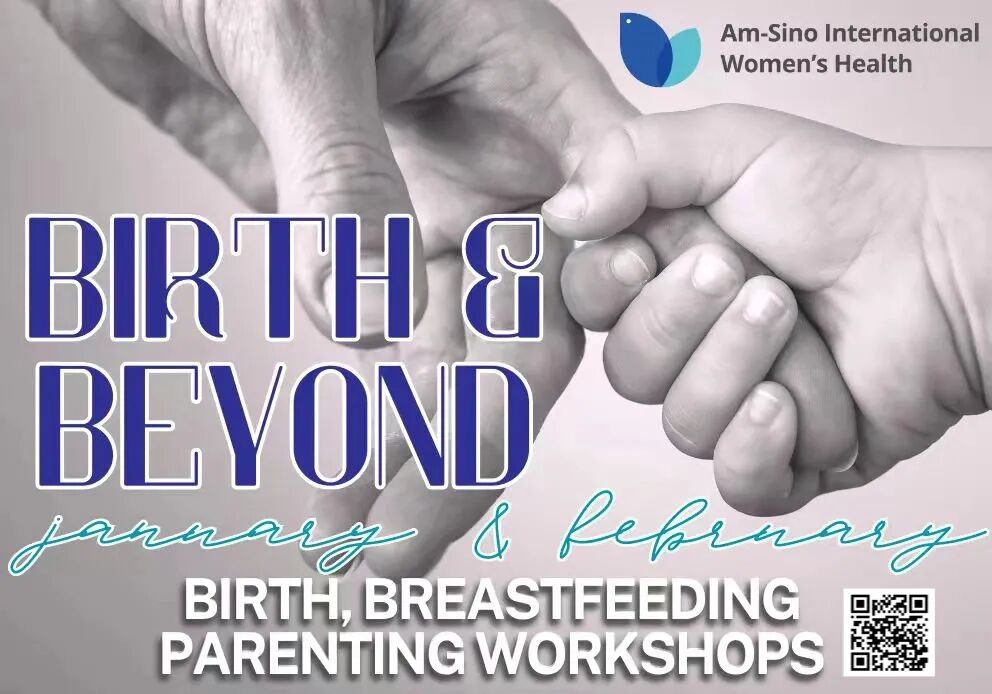
Workshops and Events Schedule
Updated regularly.
Scan the QR code to learn more.
▾▾▾




Scroll right to see more.

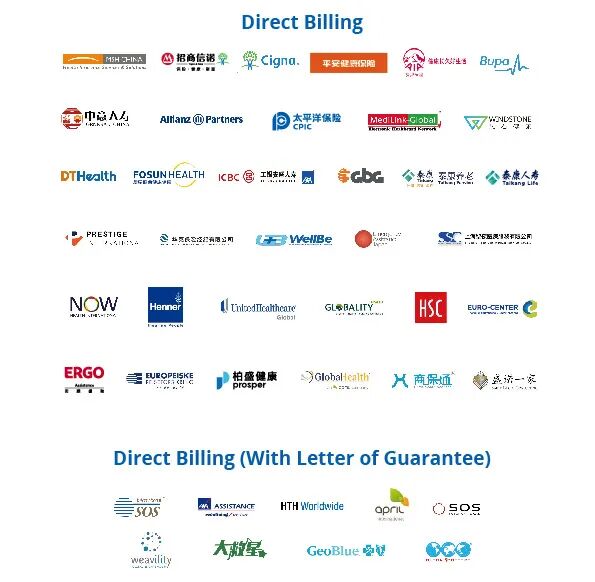
- Insurance Partners -
- Service Information -
Address: 17 Floor, 155 Songyuan Road,
Xuhui District, Shanghai
9:00 - 17:00 Monday to Saturday
- Contact us -

WeChat Enquiries
& Appointments