


Sun Protection Under Six Months
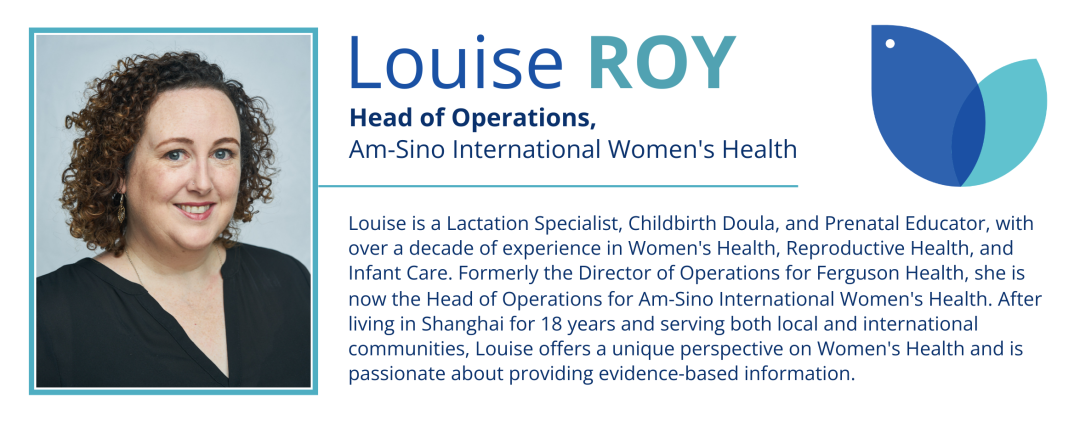
By Louise Hubbard Roy, Director or International Patient Services
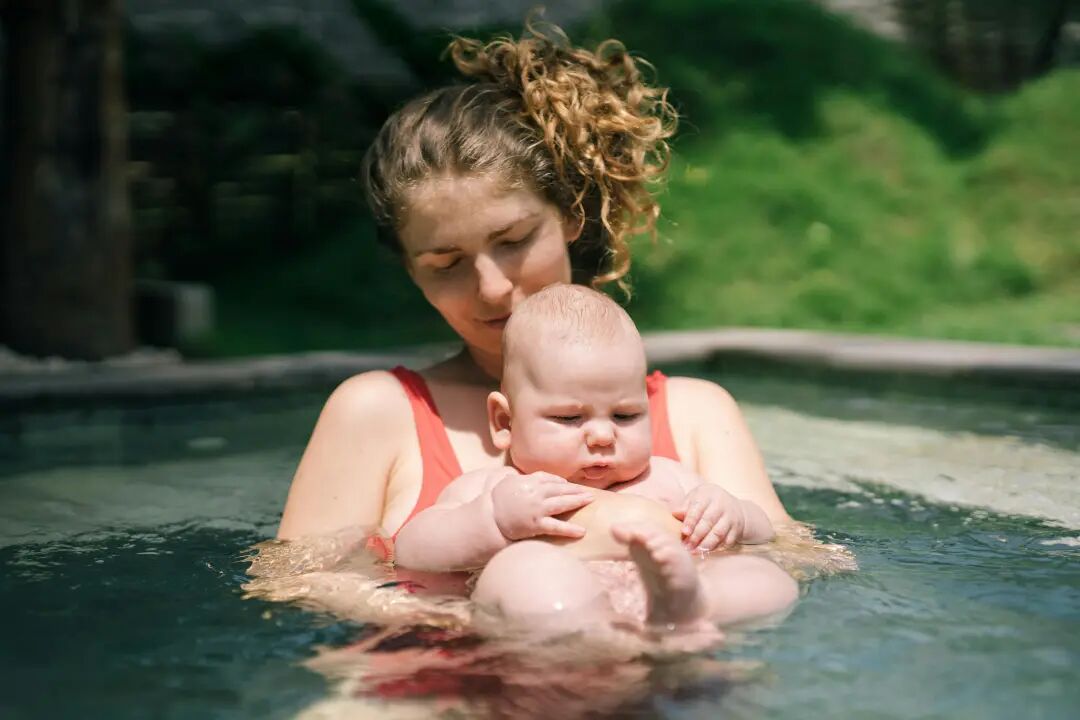
Excessive exposure to ultraviolet (UV) radiation is a well-established risk factor for skin damage and skin cancer. According to the American Academy of Dermatology, experiencing a single incidence of blistering sunburn during childhood or adolescence can significantly increase a person's risk of developing melanoma later in life.
As an Australian, I grew up with strong public health messaging about sun safety. While sunscreen is often the most visible part of those campaigns, experts have long emphasized that it should be only one component of a broader sun-protection strategy, with hats, protective clothing, shade, and limiting direct sun exposure being of equal importance (any other Aussies out there singing the “Slip, Slop, Slap Rap” now?). For babies younger than six months, whose skin is especially delicate and vulnerable, sun protection requires additional consideration.
So, should infants under six months wear sunscreen? The answer is more nuanced than many parents expect.
Sunscreen for Young Infants
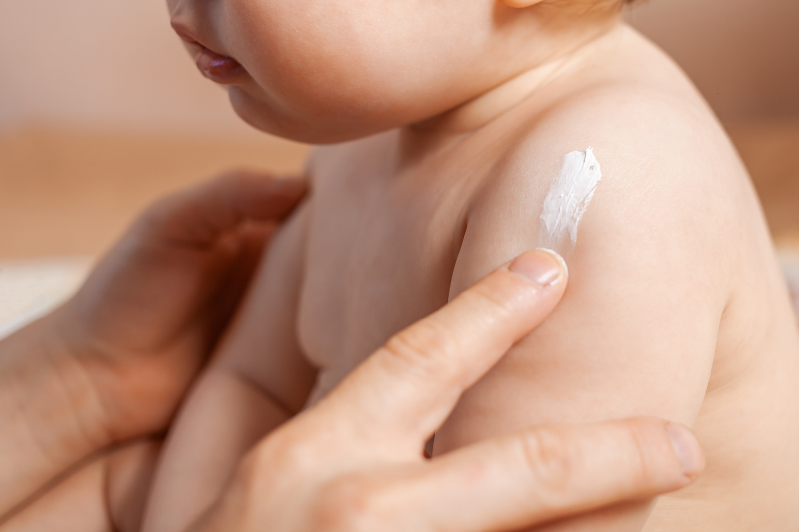
Many products are marketed specifically for babies, but most dermatologists recommend limiting sunscreen use in infants younger than six months whenever possible. This recommendation stems from the fact that infant skin is thinner and more permeable than adult skin, increasing the potential absorption of ingredients through the skin.
That said, this does not mean sunscreen must never be used. If avoiding sun exposure entirely is not practical and adequate shade or protective clothing is unavailable, applying a small amount of sunscreen to exposed areas may be appropriate. In these situations, sunscreen should be reserved for skin that cannot be covered by clothing, hats, or shade.
When sunscreen is needed, choosing a product designed for sensitive infant skin may help reduce irritation. However, even the gentlest sunscreen should be viewed as a supplement to- not a replacement for- other protective strategies.
For older babies and children, sunscreen should be applied generously and reapplied regularly, particularly after swimming, sweating, or prolonged outdoor activity. Parents should also check expiry dates and store sunscreen in a cool environment, ideally below 30°C, to maintain its effectiveness.
Prioritising Shade
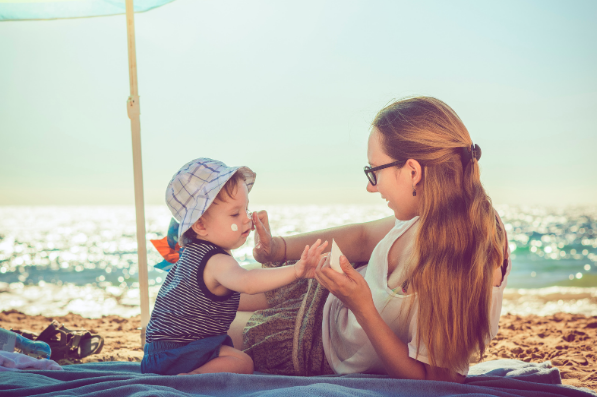
For babies under six months, shade remains one of the most effective forms of sun protection. A broad-brimmed hat, stroller canopy, beach umbrella, or other shaded environment can dramatically reduce direct UV exposure while still allowing families to enjoy time outdoors.
Dressing for Sun Protection
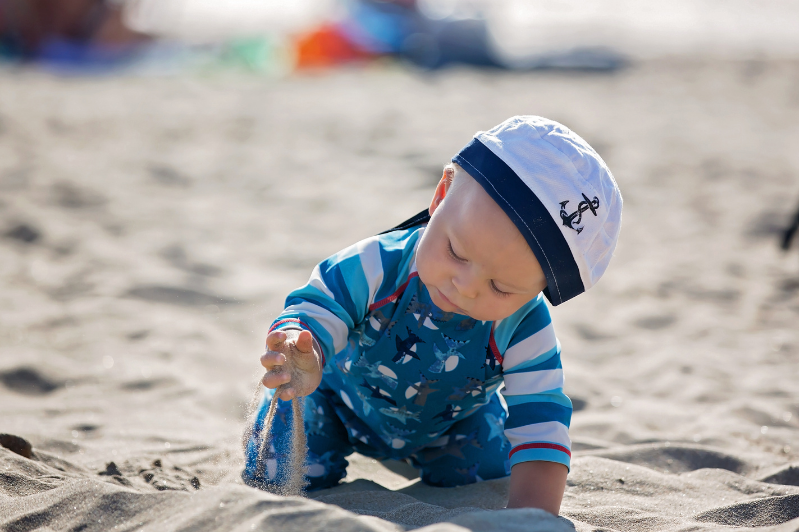
Appropriate clothing provides another important layer of defence. Lightweight, tightly woven fabrics that cover the arms and legs can offer excellent protection from UV radiation while helping keep infants comfortable in warm weather.
Choosing Suitable Clothing
Dressing infants in protective clothing is one of the most effective ways to reduce UV exposure. Opt for outfits that cover as much skin as practical, such as long-sleeved tops, long pants, and broad-brimmed hats that shade the face, ears, and neck. Where available, look for garments with a UPF (ultraviolet protection factor) rating. If no label is provided, a simple test is to hold the fabric up to light- if you can easily see through it, it is likely too loosely woven to provide adequate protection.

Planning Outdoor Time
Whenever possible, plan outdoor activities for the early morning or late afternoon when UV radiation levels tend to be lower. This can significantly reduce a baby’s cumulative sun exposure.
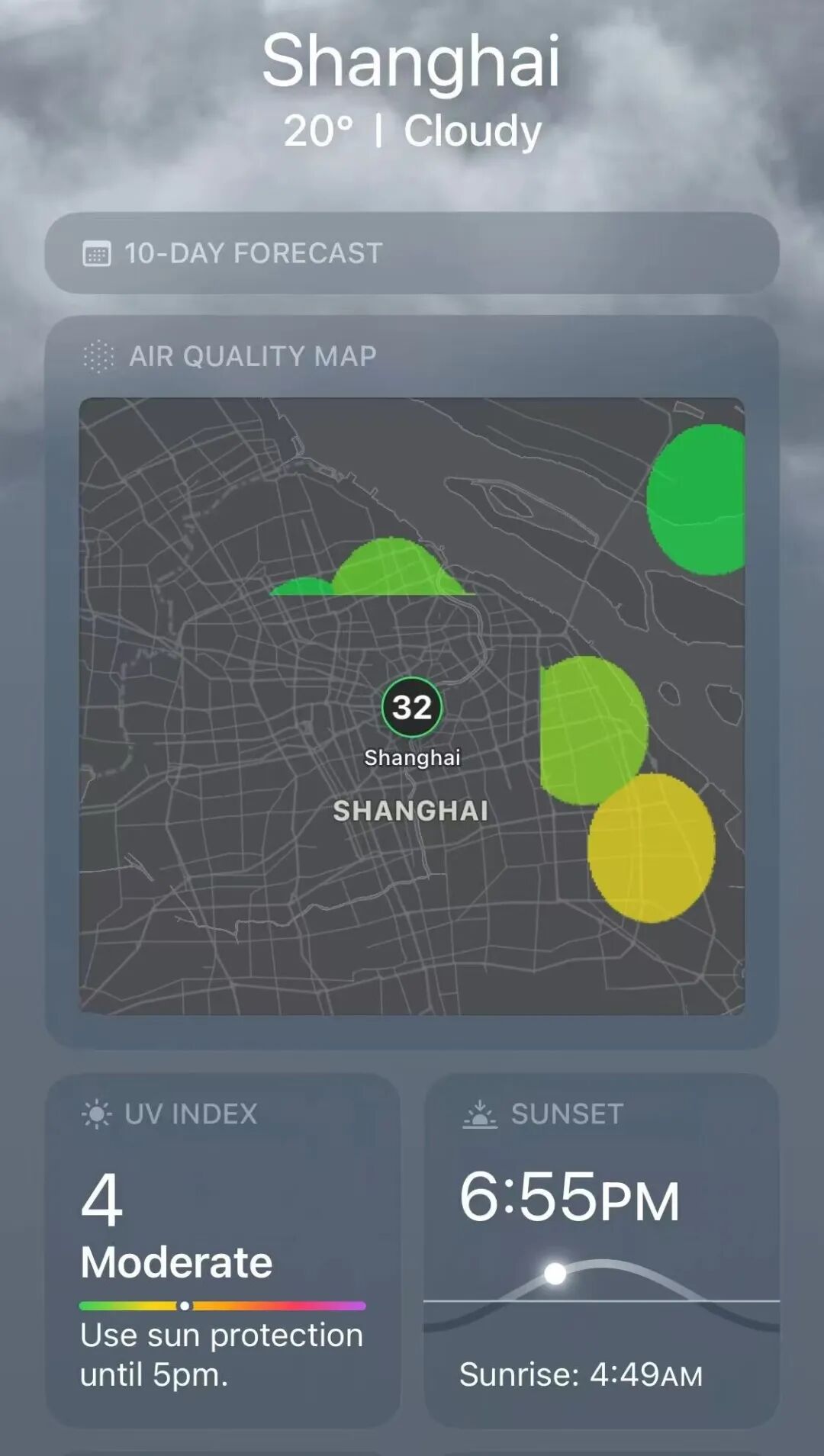
The Australian Cancer Council advises that infants under 12 months should avoid direct sunlight when the UV index is 3 or above, and the WHO echoes this guidance. Most weather apps now include daily UV forecasts and recommended sun protection times, which can be helpful for planning. Because UV exposure is not limited to summer, it is important to check UV levels year-round rather than relying on temperature or season alone.
It is also important to note that UV levels can still be elevated on cool or overcast days. For example, as I write this on an overcast day in early June, the UV index in Shanghai reached 3 at 8am, rising to 9 during the day and only dropped below 3 again at 4pm.
Leading by Example
As with all early-life habits, children learn significantly through observation. When caregivers consistently practise sun-safe behaviours, children are far more likely to adopt them as they grow. Establishing these habits early supports lifelong skin protection, which reduces the risk of skin cancer and also reinforces healthy behaviours for the whole family.
Skin Tone, Vitamin D,
and Sun Exposure
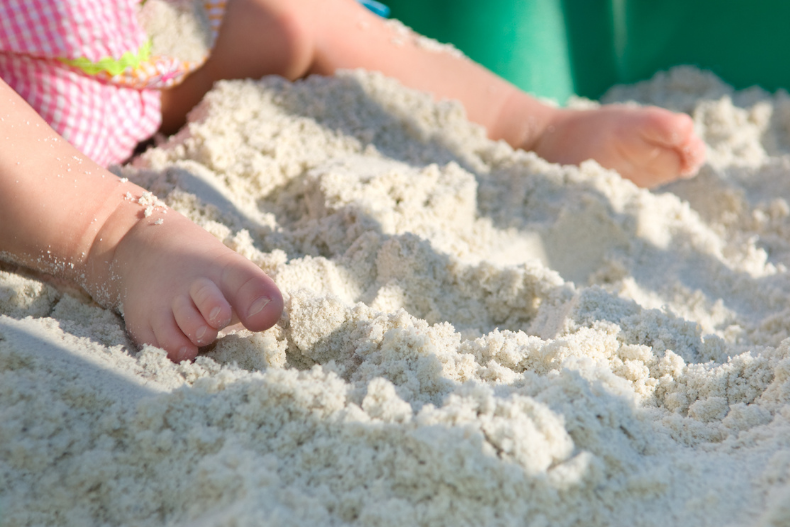
Children with darker skin pigmentation generally have a lower risk of developing skin cancer compared with those with lighter skin; however, no level of sun exposure is entirely without risk to the skin or eyes (and subsequent cancers).
Ultimately, it’s important to remember that sunscreen is only one aspect of sun protection, and in babies under 6 months old it’s more important to focus on combining shade, protective clothing, and sensible timing of outdoor activities, while limiting sunscreen use to only when unavoidable. Utilising these life-long sun protection measures, parents can significantly reduce their children’s exposure to harmful UV rays, protecting their skin health while enjoying time outdoors together.
Reference:
[1] American Academy of Dermatology. AAD survey: half of Gen Z got sunburned in 2024 — and many still don’t know the risks[EB/OL]. (2025-05-20). https://www.aad.org/news/survey-shows-gen-z-sun-protection-tanning-knowledge-lacking
[2] World Health Organization. Radiation: The ultraviolet (UV) index[EB/OL]. https://www.who.int/news-room/questions-and-answers/item/radiation-the-ultraviolet-(uv)-index
[3] Cancer Council Australia: https://www.cancer.org.au/cancer-information/causes-and-prevention/sun-safety/uv-index