


Deploying Your Bowel Movement Body Clock

The following article is from the WeChat Official Account: Dr Dai FemHealth.
Have you ever experienced this: spending half an hour on the toilet in the morning with no urge to go, or struggling with difficult and incomplete bowel movements? This is especially common during pregnancy. Among various solutions, cultivating a regular bowel routine is particularly important. By leveraging the body's natural "pooping signal"- the gastrocolic reflex- and practicing consistently, you can establish a biological clock for smooth sailing ahead.
Why Is Constipation More Common During Pregnancy?
Constipation is a frequent concern during pregnancy, primarily due to the following reasons:
1. Hormonal Changes (Primary Cause):
During pregnancy, the body secretes large amounts of progesterone. This hormone relaxes the ‘smooth’ muscles of the body, slowing down intestinal motility. As a result, food residue stays longer in the colon, leading to water absorbing from it back into the body. This makes stools dry, hard, and difficult to pass.
2. Uterine Pressure:
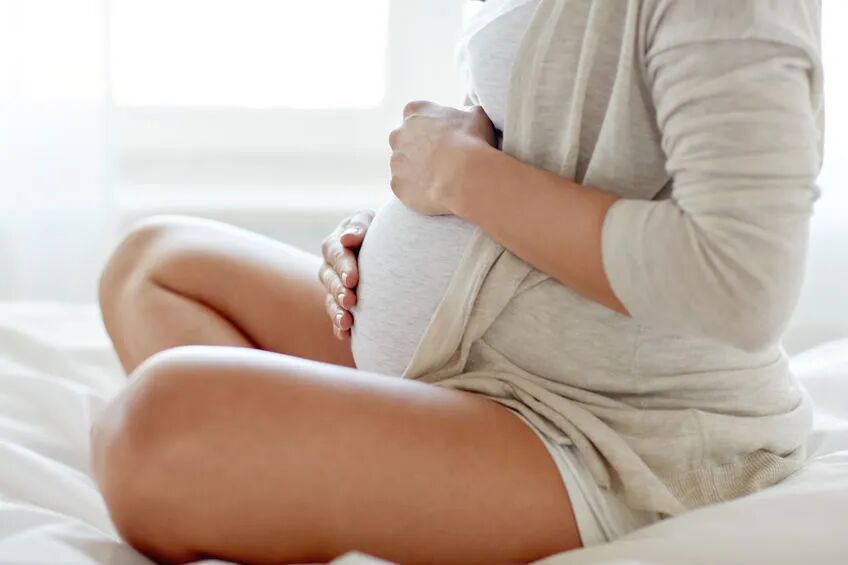
The enlarging uterus during pregnancy compresses the intestines, particularly the rectum, narrowing the intestinal space and worsening constipation.
3. Impact of Supplements:
Common supplements during pregnancy, such as iron and calcium, can also contribute to or aggravate constipation.
4. Lifestyle Changes:
Physical changes during pregnancy often lead to insufficient dietary fiber intake, inadequate hydration, and reduced physical activity, all of which can affect bowel movements.
5. Psychological Factors:
Anxiety and stress related to pregnancy may also impact digestive system function.
What is the "Gastrocolic Reflex"?
The gastrocolic reflex is a powerful physiological reflex in the human body. When water or food enters the stomach, it sends a signal to the colon, triggering strong peristaltic waves that push waste towards the rectum, creating the urge to poop. For most people, this reflex is strongest in the morning, making it the golden window for establishing the bowel movement body clock.
7-Step Action Plan: Develop Your Bowel Movement Body Clock Starting Today
Step 1
Lock in the Optimal Time
First Choice: Morning, after breakfast. This best aligns with the body's natural rhythms.
Alternative: If mornings are impossible or you feel no urge, after dinner is another good option.
Key: Choose a fixed, unhurried 15-20 minute period that you can commit to daily.
Step 2
Establish a Ritual to Cultivate the Sensation
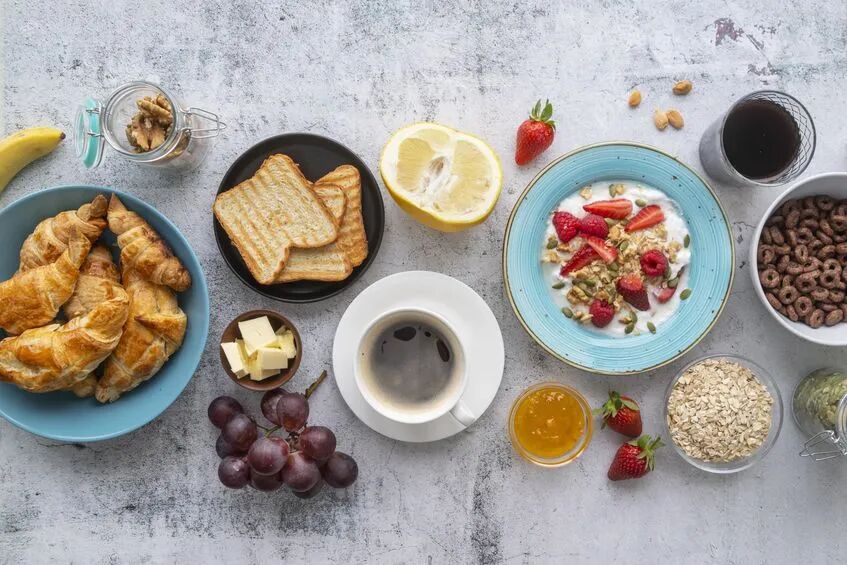
Quickly drink about 300ml of warm water. If you have chosen morning time, adding a cup of coffee can further stimulate intestinal motility.
Optimally also eat a healthy breakfast, preferably containing healthy fats (like avocado, nuts) and fiber-rich foods (like oats, whole-wheat bread, fruit), to provide the strongest stimulus for the gastrocolic reflex.
Move around freely for 15-20 minutes, waiting for the urge to arise. Once you feel the sensation, go to the toilet immediately.
Step 3
Adjust Your Posture
Adopt a squatting position: Place a small stool under your feet so they are elevated, with knees higher than your hips. This posture helps straighten the rectal angle, reducing obstruction and allowing easier passage of stool.
Combine with a slight forward lean: rest your elbows on your knees and lean your upper body forward slightly to further simulate a squatting posture.
Step 4
Relax - Don't Force - Don't Linger
Set a time limit: spend no more than 10-15 minutes on the toilet. If you don't feel the urge, get up and leave.
Relax your mind and take deep breaths to relax your whole body. You can also try gently massaging the lower left side of your abdomen.
Bear down gently (push) only when the urge is present.
Step 5
Balanced Diet - Set the Stage for Your Gut
Ensure adequate hydration by drinking plenty of fluids throughout the day.
Consume sufficient dietary fiber (recommended daily fiber intake is 20-35g):
Soluble fiber (softens stool): found in oats, legumes, apples, carrots, etc.
Insoluble fiber (adds bulk): found in prunes, leafy greens, etc.
Improve gut flora: rather than reaching for a probiotic pill, instead incorporate fermented foods into your diet like yogurt, kefir, or kombucha to improve the intestinal environment.
Step 6
Exercise to Get Things Moving
Get at least 30 minutes of moderate-intensity exercise daily, such as brisk walking, jogging, etc.
Targeted movements like torso twists, clockwise abdominal massage, etc., can also help promote bowel movements.

Step 7
Be Patient with Your Body
Habit formation takes time, typically 2 to 4 weeks or even longer. Consistency is key, and keeping a simple bowel movement diary can help you track your progress.
Start following these 7 steps today and make regular bowel movements as natural as eating and sleeping.
Final reminder: If constipation does not improve after trying these methods for a while, or if you experience symptoms like abdominal pain, blood in stool, or unintended weight loss, please seek prompt medical attention.
(click to view more details)
At Am-Sino International Women's Health and Birth Center, we pride ourselves on providing compassionate, comprehensive, and culturally sensitive care to women of all ages.
Our bilingual team of experienced obstetricians and gynecologists offers a full spectrum of services, from routine health check-ups and prenatal care to advanced treatments for complex gynecological conditions.
In our comforting birth center, we strive to create a safe, supportive, and personalized environment for you to welcome your baby, respecting your choices and preferences throughout your birth journey.
From adolescence to menopause, and from contraception to parenthood, we prioritize individualized care, empowering you to take control of your health, wellness, and reproductive journey.
- Medical Team -
- Insurance Partners -

- Service Information -
Address: 17 Floor, 155 Songyuan Road,
Xuhui District, Shanghai
9:00 - 17:00 Monday to Saturday
- Contact us -

WeChat Enquiries
& Appointments