

Episiotomy: Is It Necessary?
For many pregnant people, one of their biggest concerns about vaginal birth is the possibility of tearing. Some are aware of the practice of an episiotomy, a cut made instead on the area between the vaginal opening and anus (called the ‘perineum’), but that's not a very appealing option either.
Previously, episiotomy was thought to provide less tissue trauma than tearing and so it became the routine practice in many places (and is still a routine practice by many doctors in China).
However, modern obstetric evidence has transformed our understanding of perineal protection during childbirth, and we now understand that episiotomy is usually neither necessary nor helpful.

This is something that many people don’t realise, and so the decision between cutting or tearing can feel like an impossible choice between two awful alternatives. Let’s investigate why this isn’t really the case, and why routine episiotomy just doesn’t *ahem* “cut it” as an evidence-based practice.
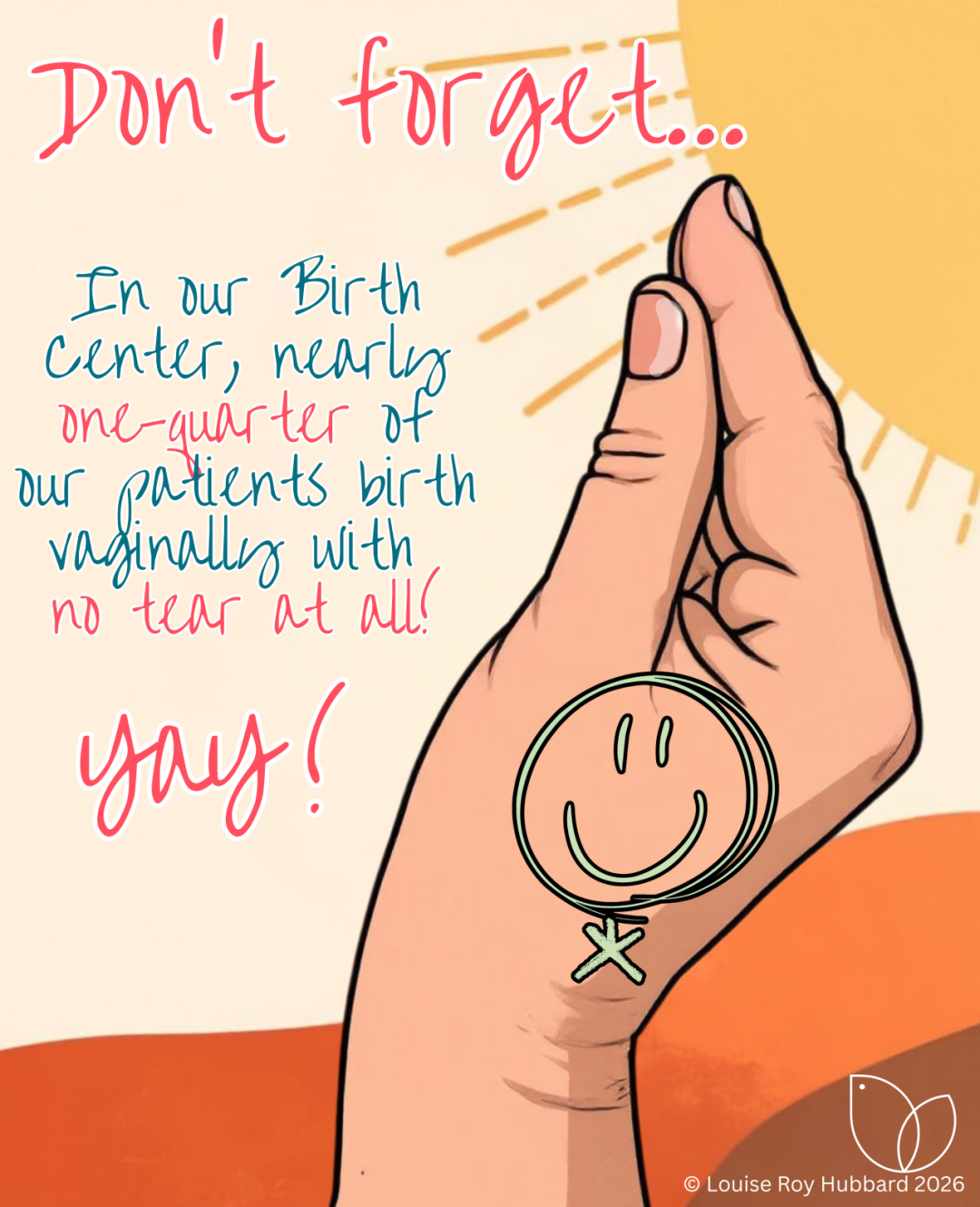
Note: For the sake of getting past social media censorship, in this article I’ll be using an illustration of my hand to represent the vulva, vagina and perineal area…
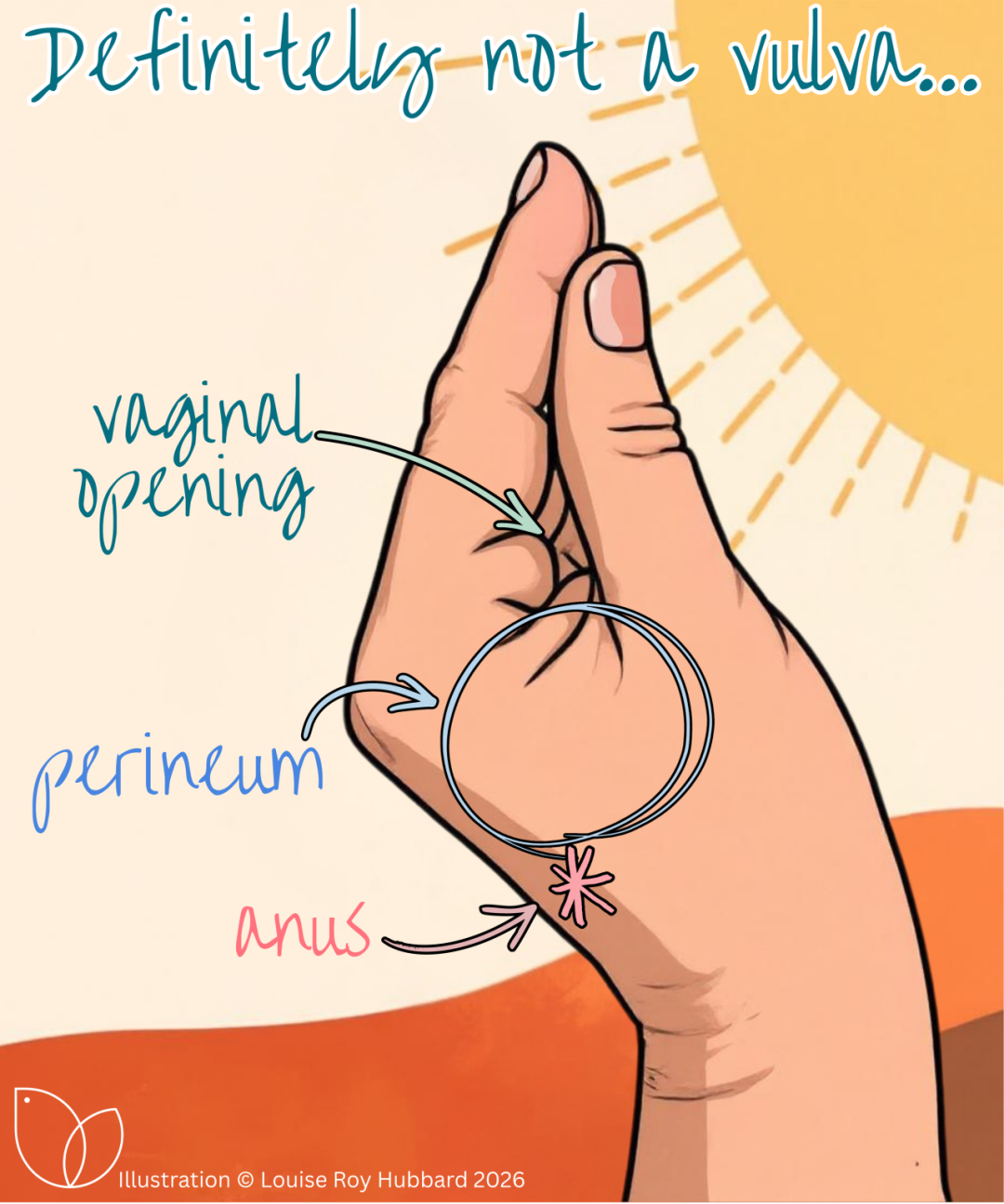
“Definitely not a vulva… nothing to see here...” - Louise Roy Hubbard
An episiotomy is a surgical incision made in the perineum during the second stage of labour. For much of the twentieth century, episiotomy was routinely performed with the belief that it would lead to less perineal trauma.
However, decades of research have shown that this is not true. In fact, episiotomy generally results in increased pain, blood loss, and recovery time, and a more extensive perineal injury.
As a result, major professional organisations around the world now recommend that episiotomy should not be routinely performed.
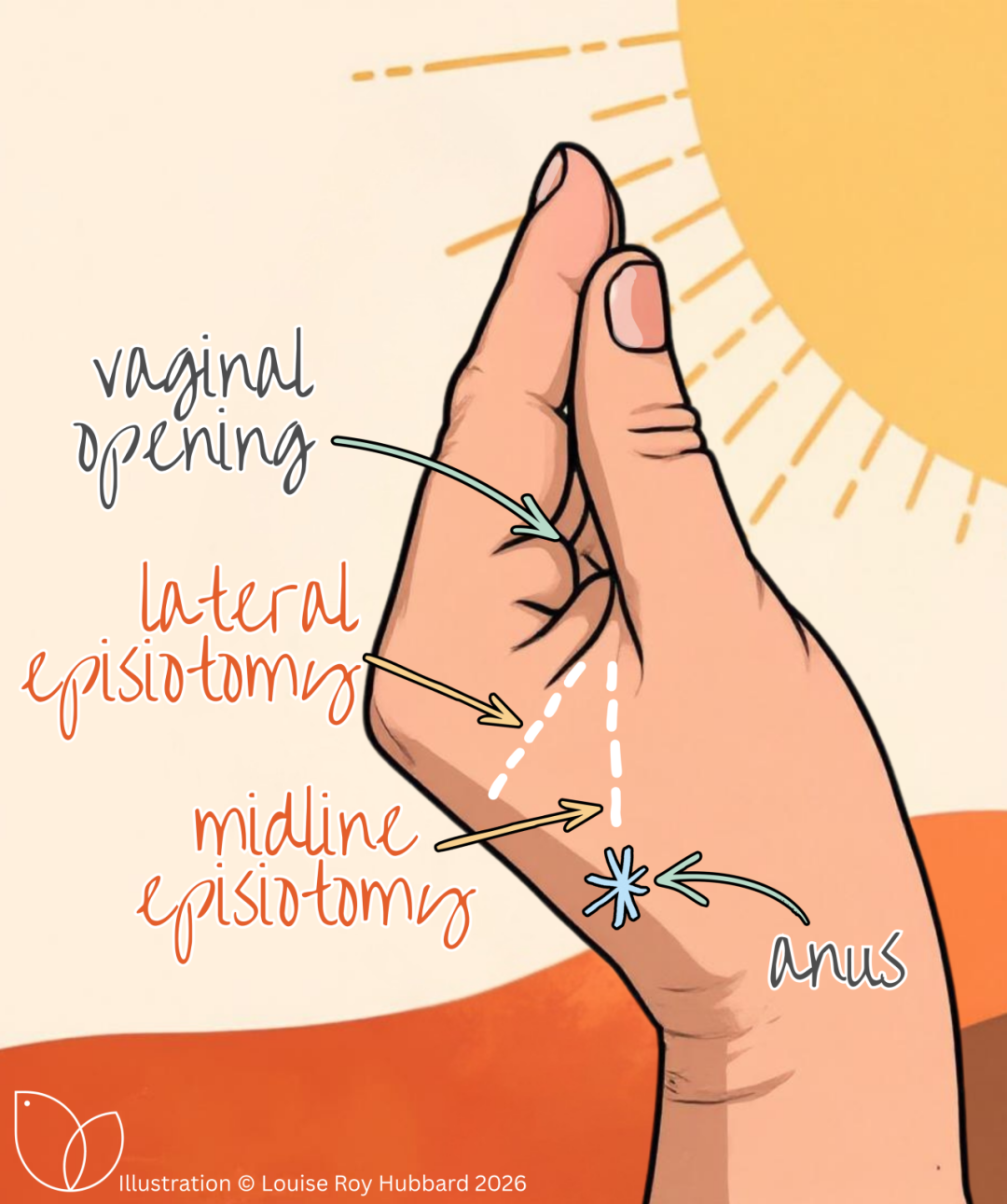
Lateral vs. Midline Episiotomy
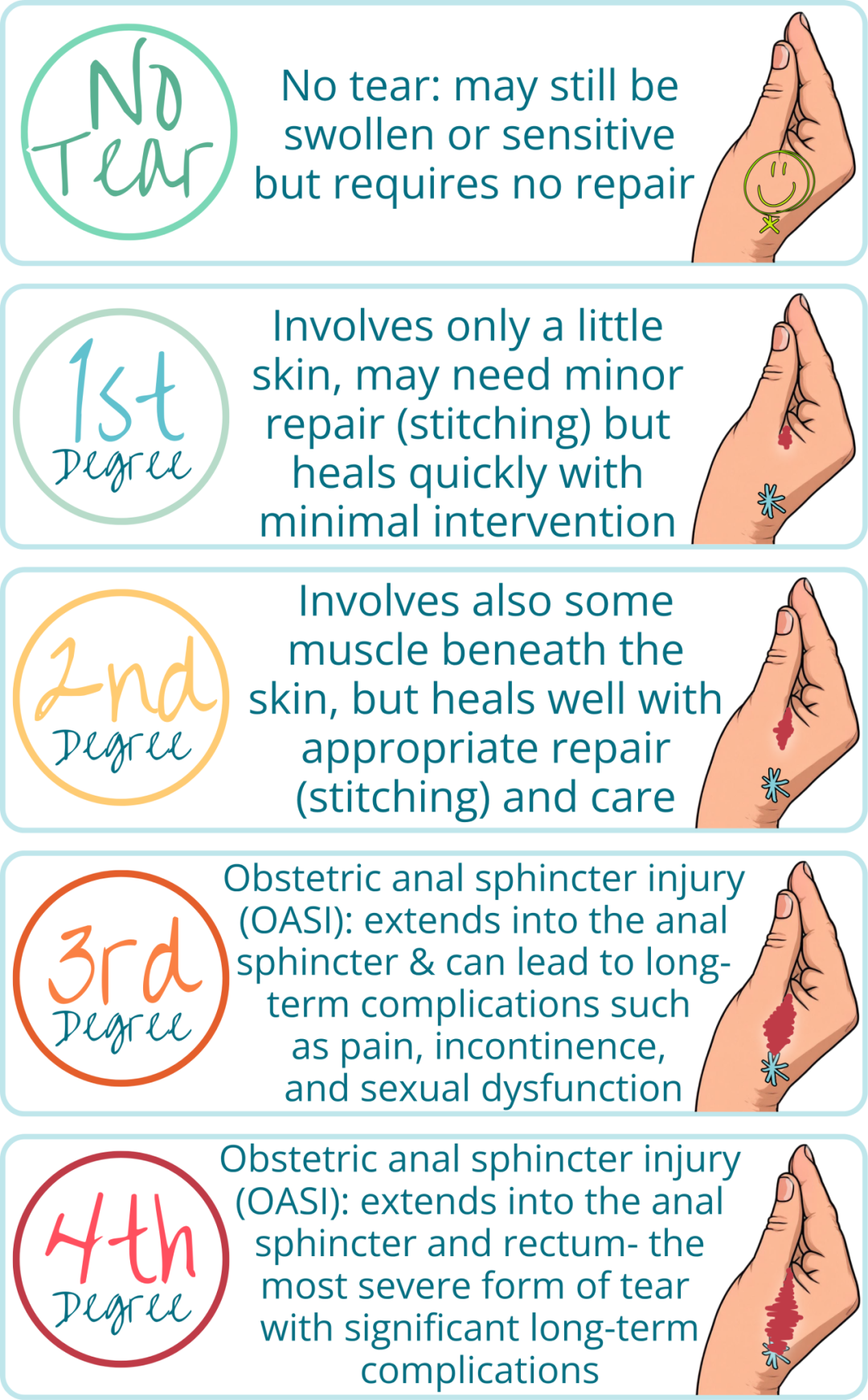
Perineal tears are classified into 4 grades:
Traditionally, the use of forceful fundal pressure to speed the baby's birth was commonplace. It involves a doctor or midwife applying pressure with their hands, forearms, or elbows to the top of the belly while the mother is pushing.
This practice, still sometimes used, is not recommended by international maternity organisations because studies have linked excessive fundal pressure with an increased risk of severe perineal tears, as well as other potential complications for both mother and baby.
Yet in understanding the context of this practice, we can see why episiotomy might have become so widely utilised: when excessive fundal force is applied as the baby's head is being born, the perineum has less opportunity to stretch gradually, and so the likelihood of significant tearing is increased.
One proposed justification for episiotomy is the belief that directing an incision away from the anus might reduce the risk of injury to the anal sphincter, however, modern evidence increasingly supports preventing trauma through avoiding unnecessary interventions (like fundal pressure) in the first place.
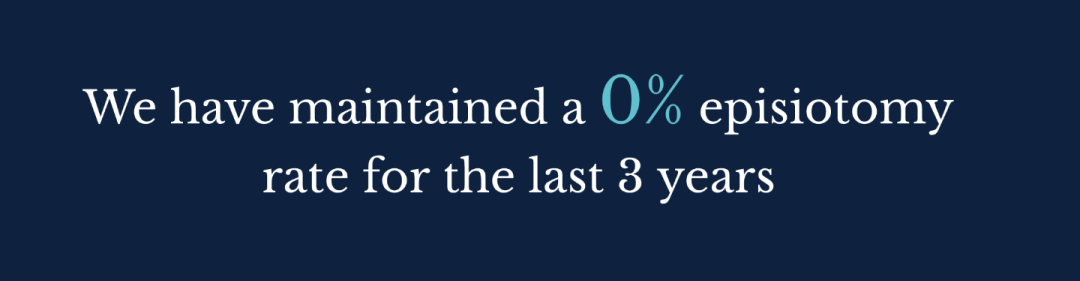
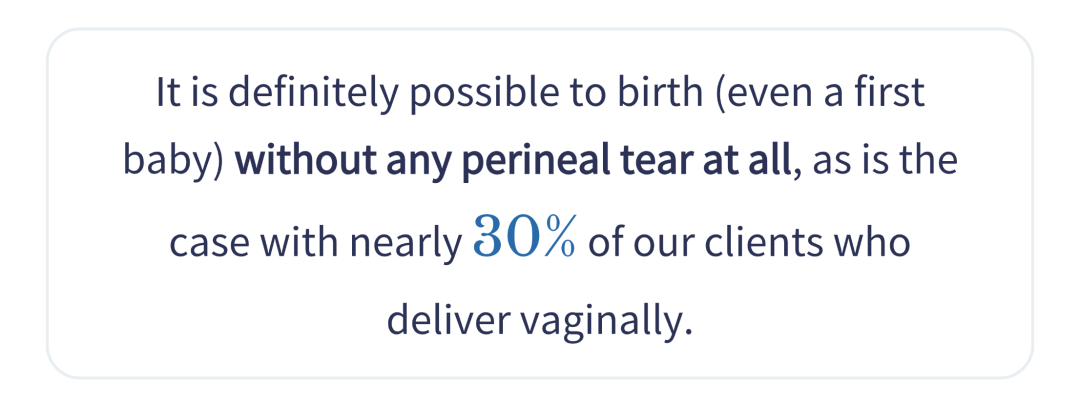
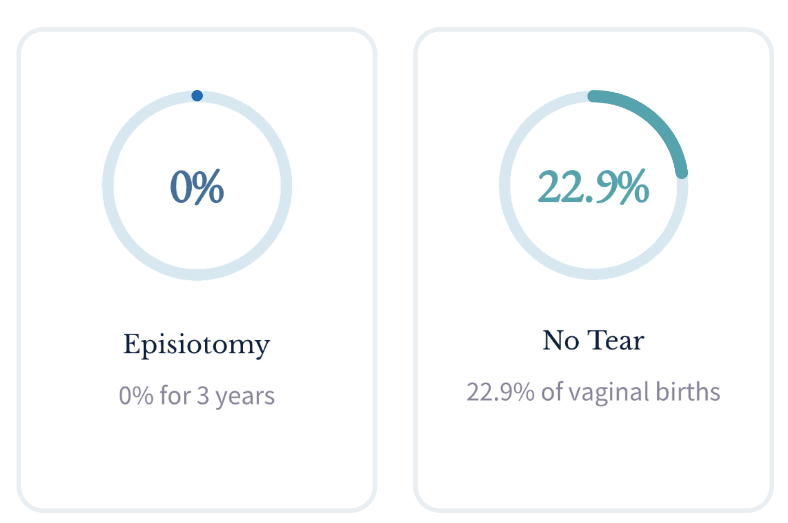
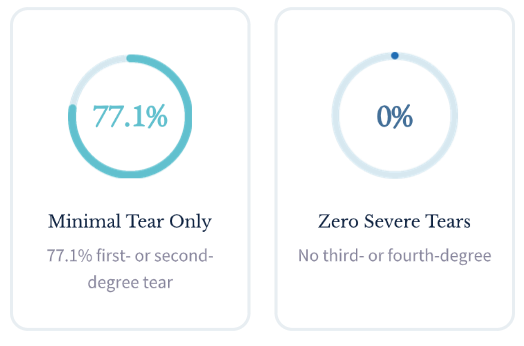
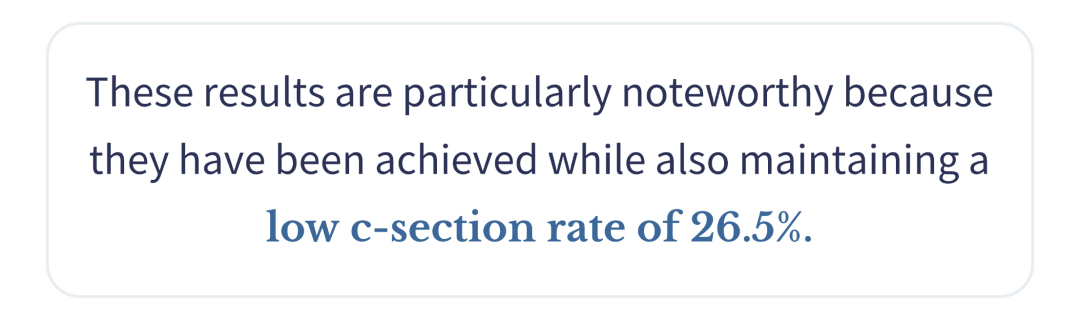
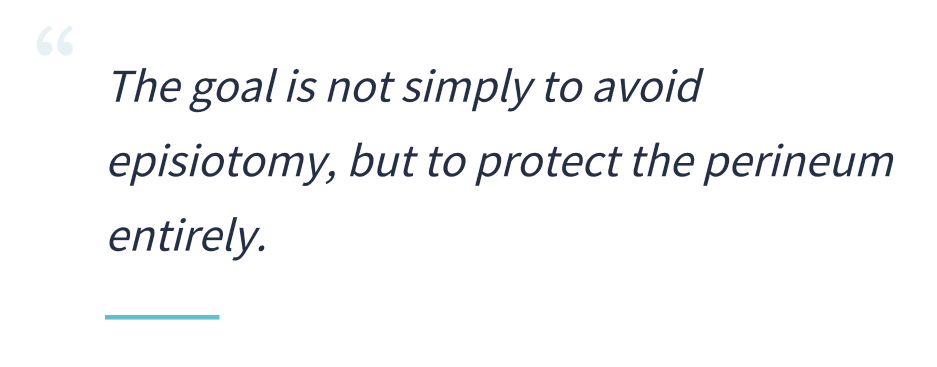
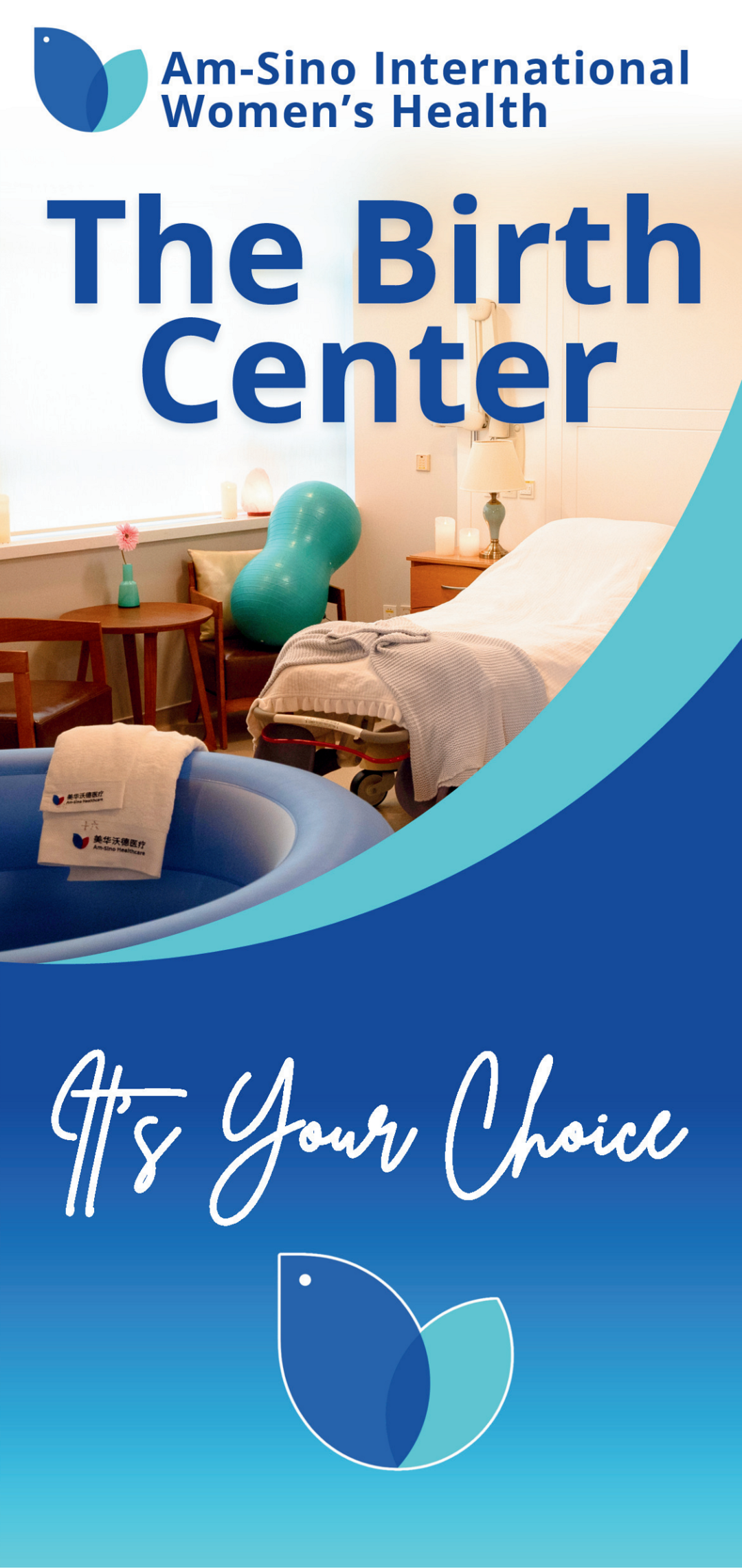
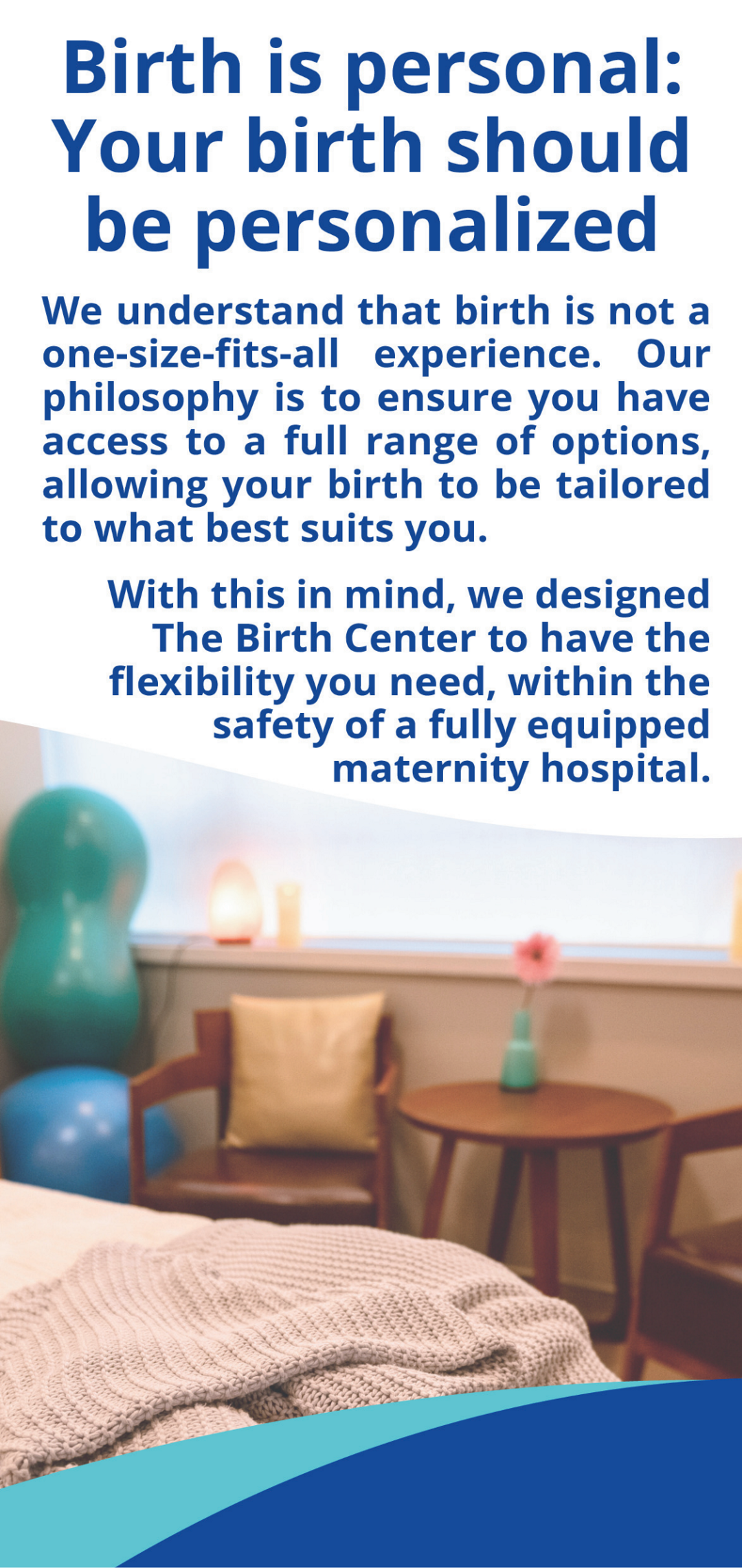
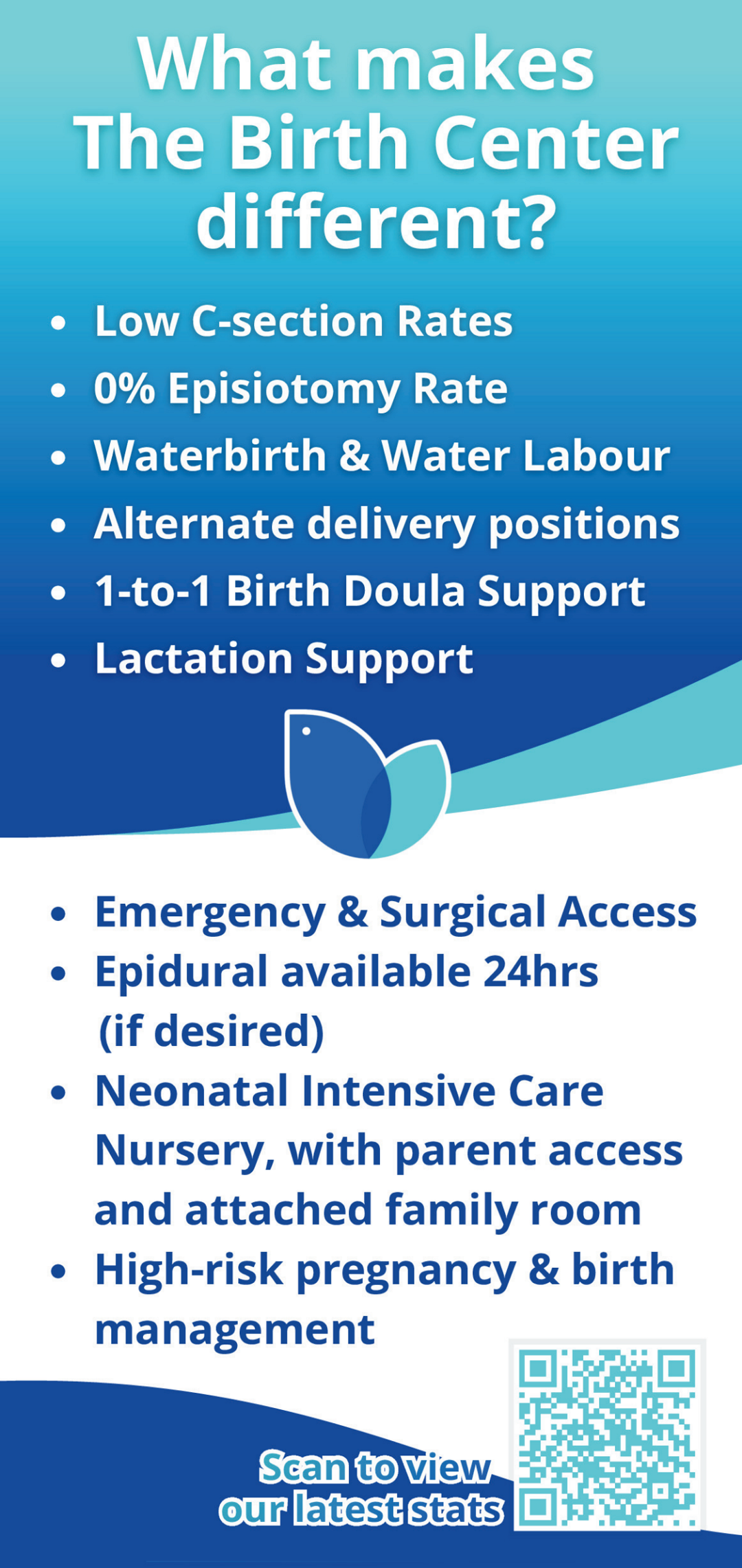
At the Am-Sino International Birth Center, our philosophy is simple: tailored, physiological support should be prioritised, with medical interventions only used when genuinely needed. Our outcomes demonstrate what is possible when evidence-based maternity care is combined with highly skilled birth support:
How We Protect the Perineum
There are indeed some situations where an episiotomy might be needed- for example if the baby is in serious distress. However, our zero-episiotomy rate shows how rare the need truly is, and that most people can avoid both episiotomy and severe perineal tear when supported by a team that prioritises perineal protection.

At the Am-Sino International Birth Center, we believe that excellent birth outcomes are not achieved by simply performing more procedures, and that a healthy mother and baby is not the only goal. We believe that every family deserves a healthy birth and to be supported physically and emotionally in their best possible birth and recovery.
▾▾▾



Scroll right to see more.

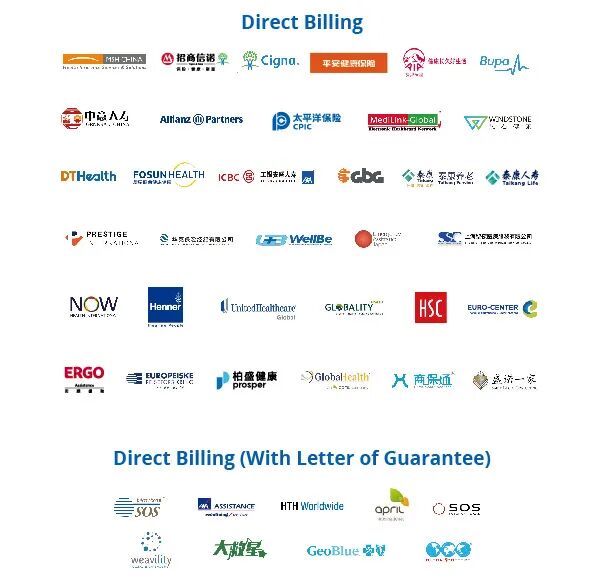
- Insurance Partners -
- Service Information -
Address: 17 Floor, 155 Songyuan Road,
Xuhui District, Shanghai
9:00 - 17:00 Monday to Saturday
- Contact us -
WeChat Enquiries
& Appointments