

7 Things I Want Parents Of Neurodivergent Kids To Hear
By Louise Roy Hubbard, Director or International Patient Services… and mother of two children with autism.
As Autism Awareness Month ended, I found myself reflecting on what I wish parents could hear when their child is first identified with neurodiversity.

I am deeply aware that our own culture and the way neurodiversity is presented through media, education, or public discourse, shape how we interpret our child's diagnosis, and every parent's journey is different. But as a parent myself of kids with various neurodivergences - Autism, ADHD, Dyslexia, Dysgraphia, and a lifelong neurological communication disorder to name a few - I feel that our own perspective as parents on this journey is often missing from the dialogue.
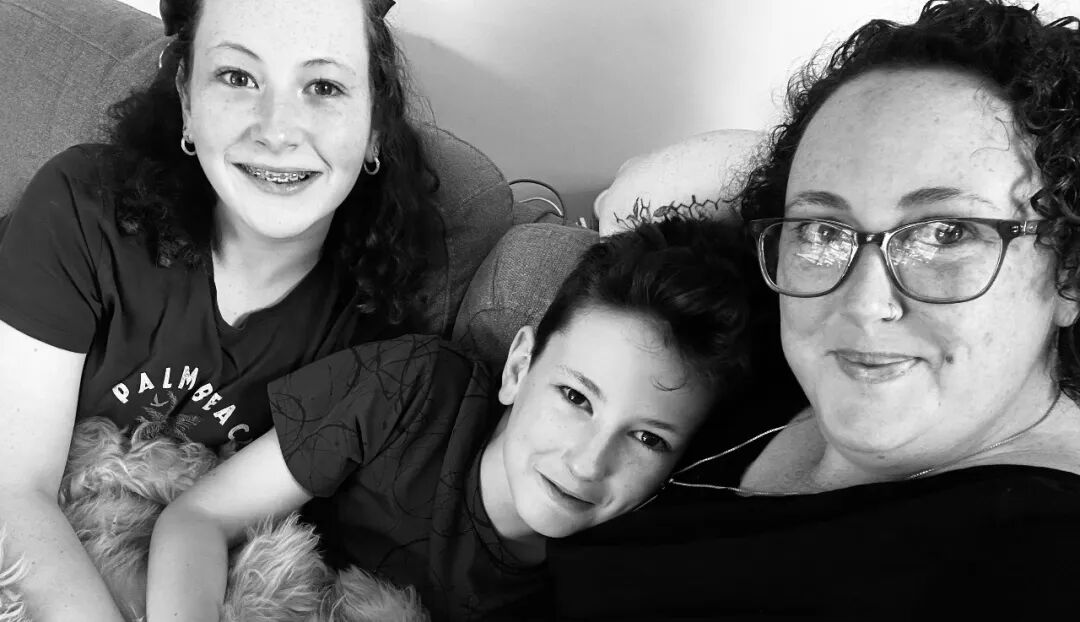

I don’t pretend to speak for all parents of neurodiverse children, but here's what I want to add to the discussion:

Some parents, sensing their child is struggling, may hesitate to undergo formal assessment for fear that a ‘label’ will disadvantage their child socially, academically, or otherwise. However, without a diagnosis, your child is missing opportunities to access supports that help them in the areas they’re struggling. Your child may already be aware that certain things feel harder for them than for others, and without a diagnosis children can internalise this difference as a personal failing.
On the other hand, a diagnosis helps frame their experience for what it is: a brain that works differently, through no fault of their own. They will learn that while they may need more support in some areas, they have greater strengths in others.
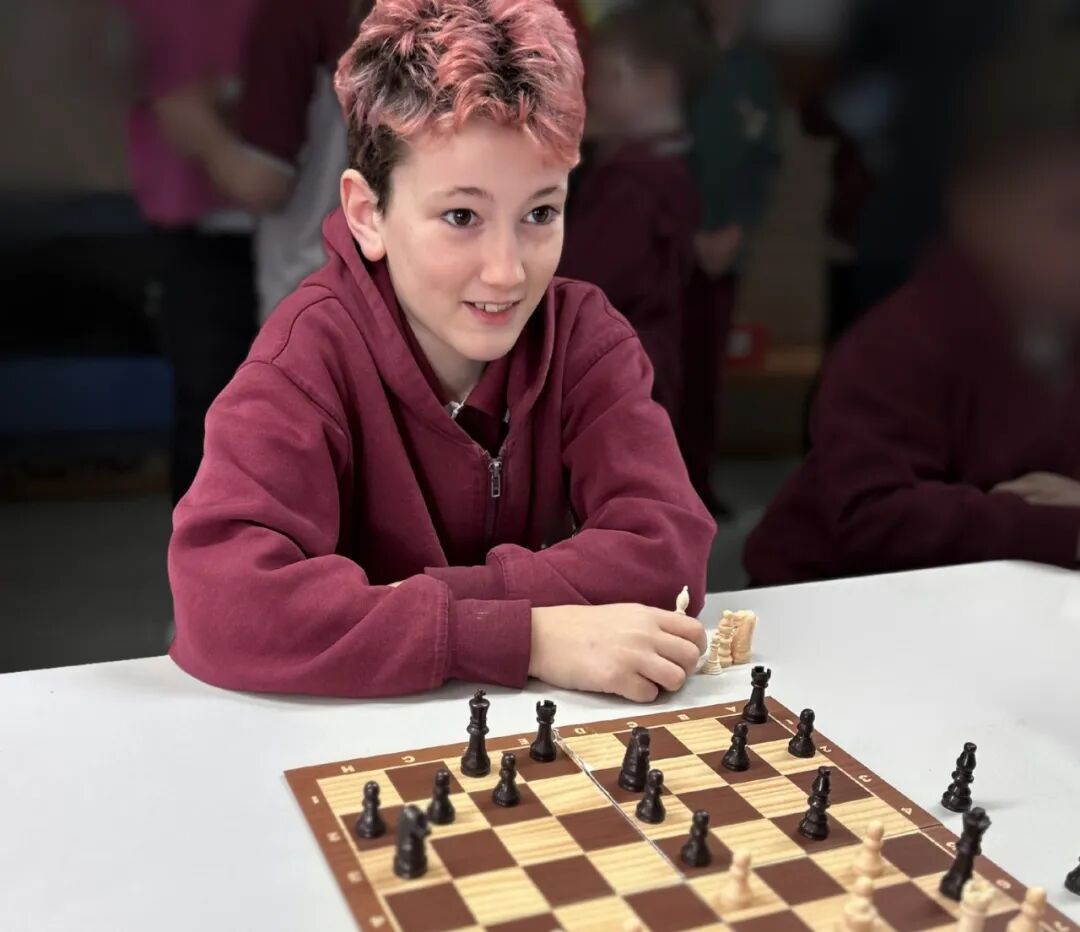
In school, teachers are often the first people to be aware that a child is struggling, but without a formal diagnosis, they may not have the framework (or time) to implement the needed accommodations. Some parents worry that a diagnosis might limit their child's academic opportunities, however, in practice, the opposite is usually true.
In many school systems, a diagnosis will open the door to anIEP — an Individualised Education Plan — outlining the specific teaching approaches and classroom supports your child needs for optimised learning. In an ideal world this level of individualisation would be available to every child, but the benefit of your child's diagnosis means that they can now access this assistance.
The simple truth is that your child is already not 'typical' and the absence of a diagnosis doesn't make their neurodivergence any less apparent or less of a struggle.
The only thing a lack of diagnosis does is leave them blaming themselves, leave you doubting your parenting, and leave their true potential unrealised.
Don’t be afraid of the ‘label’- in my experience it only opens doors.

You will find that a lot of the standard advice on raising children is designed with neurotypical kids in mind. For example, you may have heard that the ideal way to model eating and family connection is to gather everyone around the dinner table for meals. Yet for many neurodivergent families, this can be disastrous.
Picture it: one child struggles to sit still, while another is dysregulated by their sibling’s constant movement; sounds that are imperceptible to you- like chewing- can feel like nails on a chalkboard to someone else. One is saying the room is too dark while the next is insisting the light is burning their eyes, and a third is overwhelmed by the “sound of the electricity”. And don’t even start me on the incompatible food preferences, avoidances or intolerances that mean nobody can eat the same meal!
Yes, kids can benefit from a model of healthy eating, delivered via a calm family table. But if it’s causing stress and dysregulation, nothing positive is going to be modeled there. You will quickly learn that not every “rule” works for your family, and that there are other, more neuro-affirming ways to achieve the same end goals.

You were probably once also one of those people. The truth is, you likely still don’t know how you do it, but what choice do you have? Feel free to redirect them into a comment that is less dismissive of your work, such as “I’m in awe of what you’re doing- you’re a great parent”.

Try not to punch them in the face. Or do it. I’m not one to judge.

Look for other parents (either online or in person) who understand what you are going through on a personal level. Actually, you probably don’t have to search for them- you will find each other, it’s a kind of inbuilt radar we have.
Vent to them on hard days (they’ll understand that it doesn’t mean that you love your child any less) but also share the wins - they’ll get it, even though it feels insignificant to a neurotypical family.
And rest assured, your kids will find their quirky tribe too.

By looking at other children you might be able to identify areas where timely extra support or therapies can help your child’s progress. But always remember that other children’s milestones are not a measure of your child’s potential (nor your parenting) and never forget to also celebrate the ways in which your child is succeeding. Small wins are real wins, even when they come years later than for other kids.
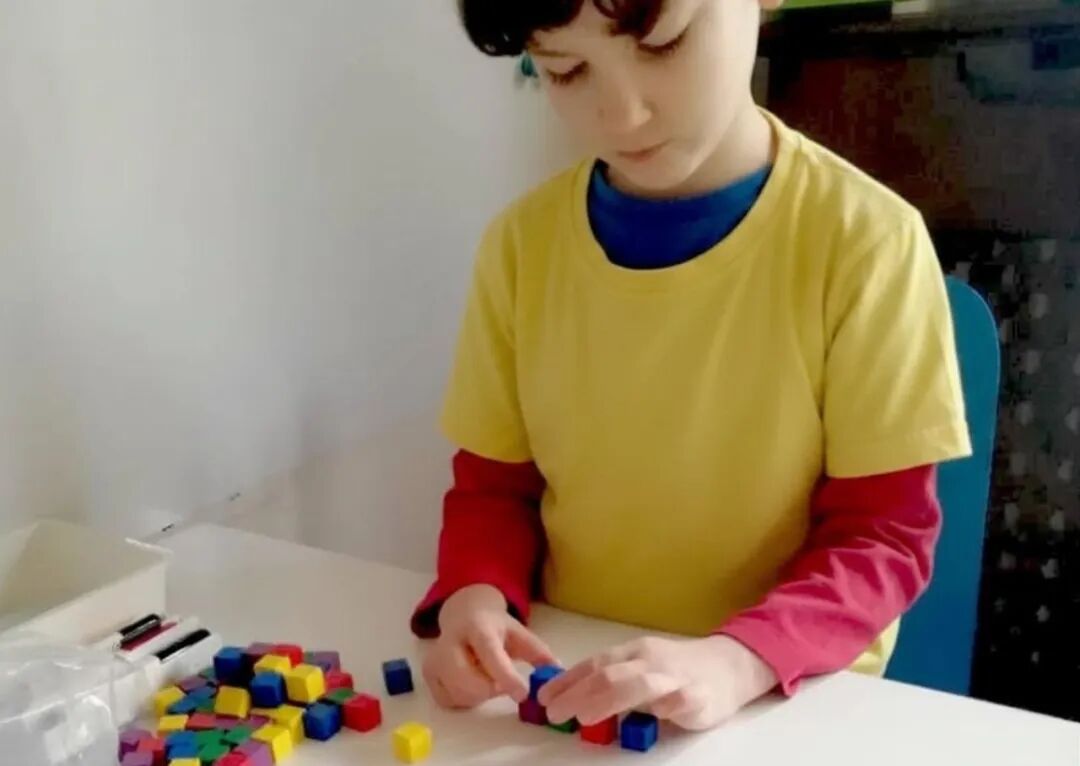

There will be grief. Lots of it. But grief over your child’s diagnosis does not mean you love them any less - it means that you want the best for them, and you are saddened that your gorgeous, incredible child is having to a navigate a world that does not understand them. You will channel this into advocacy, becoming their champion in systems that may not always be intuitive.
In time you will learn your child, your child will learn themselves, and what feels impossible now will become routine. There will still be hard days, and there will likely also be more diagnoses- some expected, and others that will hit you like a tonne of bricks. There will still be days you cry- from frustration, anger, grief… but also from laughter.
And there will come a time when you realise:
"We're ok. Actually, we're more than ok- we're great."