We respect your privacy. Please consent to all cookies when you visit our website. Refer to our "Privacy Policy" for more information on how we handle personal data.

Could GERD Be Causing Your Symptoms?

22
2026-01


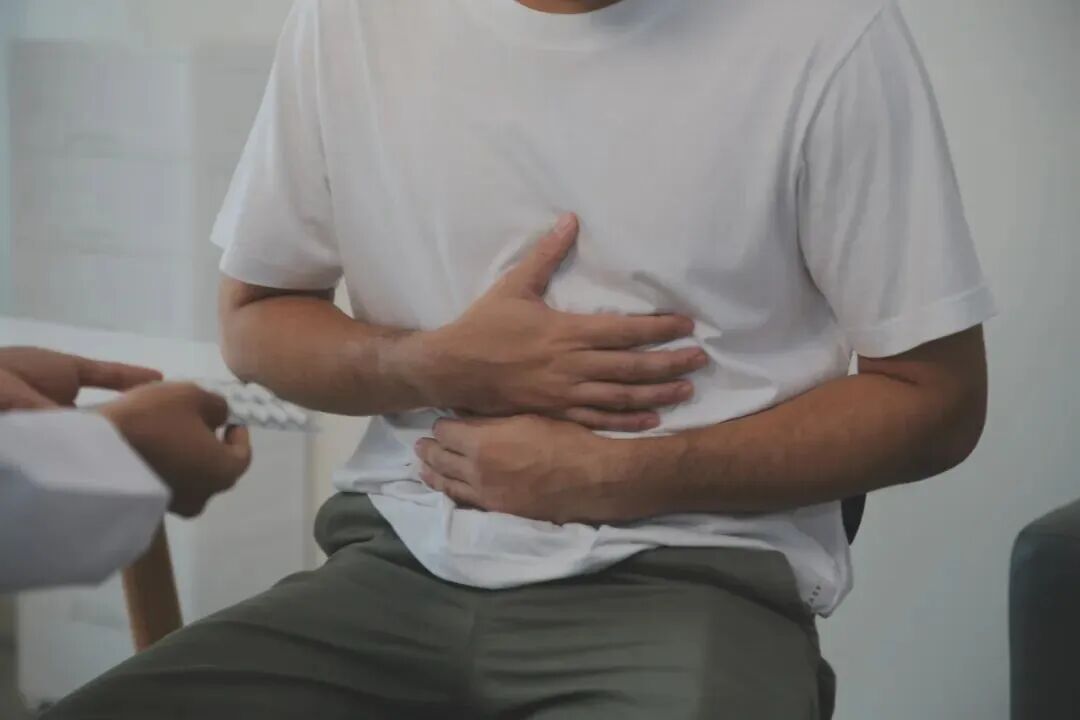
“Doctor, I feel uncomfortable when I swallow. After eating, I get heartburn and acid reflux, and my stomach feels bloated. Why does this keep happening?”


This is a question gastroenterologist Dr. Gang Sun  hears almost daily.


Many people assume heartburn or acid reflux after meals is normal and choose to tolerate it or self-medicate. However, these symptoms may be signs of a common but often overlooked condition: gastroesophageal reflux disease (GERD).


A Common Condition That’s Often Ignored


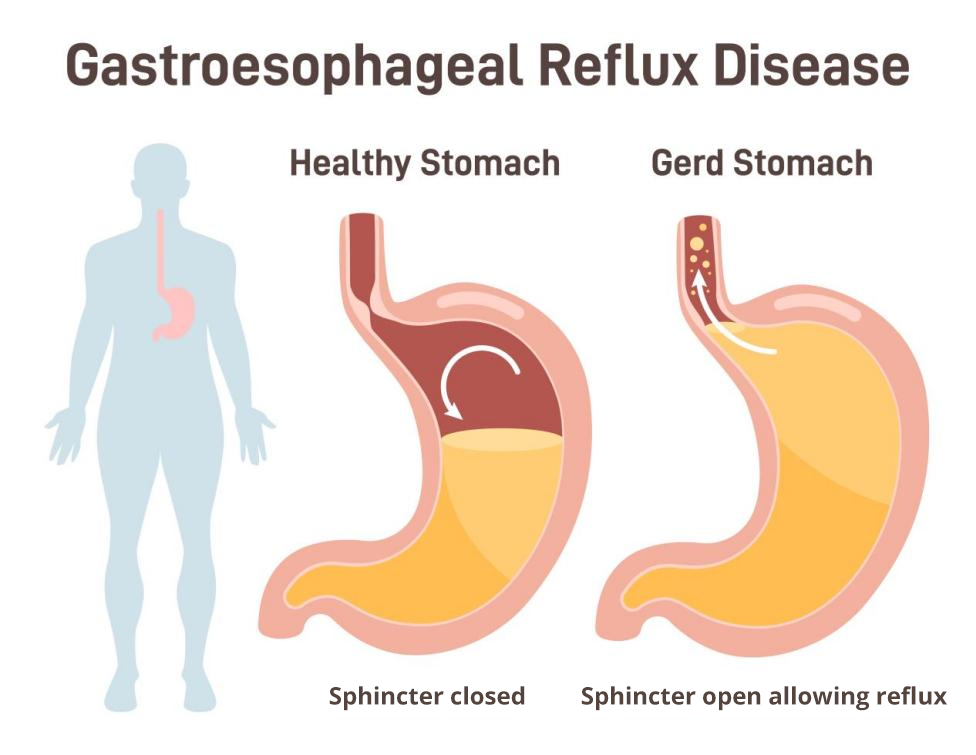
GERD occurs when stomach contents, such as acid or bile, flow back into the esophagus, repeatedly irritating the lining and causing discomfort or injury.


It is very common:

  • Around 5–10% of people in Asia

  • Up to 10–20% in western countries


Despite this, many patients delay seeking medical advice, which often leads to worsening symptoms over time.


It’s Not Just Heartburn


GERD symptoms are not always limited to the stomach. In addition to heartburn and reflux, symptoms may include:


  • Sour or bitter taste in the mouth

  • Frequent belching

  • Chest discomfort (sometimes mistaken for heart problems)

  • Pain or difficulty swallowing

  • Coughing or respiratory symptoms


Why Does GERD Happen?


GERD is commonly related to:


  • Increased abdominal pressure (such as during pregnancy, obesity, or delayed gastric emptying)

  • Temporary relaxation of the lower oesophageal sphincter (triggered by fatty foods, chocolate, or certain medications)

  • Smoking, alcohol, and spicy foods

  • Lying flat or sleeping, which naturally reduces esophageal clearance


Confusing Symptoms


Reflux doesn’t always feel like a digestive issue. In fact, the stomach contents irritating the throat or airways can also cause:


  • Chronic cough

  • Sore throat or hoarseness

  • Asthma-like symptoms

  • Recurrent respiratory infections


As a result, some patients repeatedly visit ENT, respiratory, or cardiology clinics without identifying the true cause.


Should I See a Gastric Specialist?


Absolutely, even if you think your symptoms match the GERD diagnosis, it is important for a specialist (Gastroenterologist) to assess the severity of your condition. GERD ranges from mild forms to more serious conditions such as reflux esophagitis or Barrett’s esophagus, which increases the risk of esophageal cancer. Following assessment a treatment plan can be tailored to your specific needs, reducing your risk of further complications, and improving your overall quality of life.


As part of your assessment, a gastroscopy may be recommended. This is a short procedure in which a thin, flexible camera is gently passed through the mouth to examine the oesophagus, stomach, and upper small intestine. Performing a gastroscopy allows your doctor to:

  • Assess esophageal damage

  • Exclude serious disease

  • Accurately classify reflux

  • Assist with information needed to develop an individualised treatment plan


Seeking help early is both beneficial to you now and in the future- without proper treatment, long-term reflux may lead to ulcers, bleeding, narrowing of the esophagus, and progressive worsening of symptoms.


Scan to make an online appointment

Scan to follow our customer service on WeChat. Our office hours are9:00-17:00daily
  • kefuerweima1.png
    American-Sino Women

    Address: No. 155, Songyuan Road, Xuhui District, Shanghai

  • dingxiang.png
    American-Sino Dingxiang Outpatient Clinic - Xiao Xiang

    Address: Floors 2-3, Annex Building 6, Clove Apartment, Lane 800, Huashan Road, Changning District, Shanghai

  • xiaowo.png
    WorldPath Clinic International - Xiao Wo

    Address: No. 399, Nanquan North Road, Pudong New Area, Shanghai (near Century Avenue)