


Family Travel Preparedness

With Spring Festival on the horizon and summer holidays being planned, many families are looking forward to travel. Travelling with children — whether infants/toddlers, school-aged children, or teenagers — requires extra planning to keep everyone healthy and safe. A little preparation before departure can prevent many common travel-related problems.
When to Start Planning
Ideally, families should begin travel health planning 6–8 weeks before departure. This allows enough time for medical reviews, vaccinations, and any adjustments to medications. Planning early helps parents feel prepared and reduces stress during travel.
Schedule a Pre-Travel Health Check for the Whole Family
Before travelling, it’s important that every family member is medically fit to travel. A pre-travel consultation allows your doctor to assess each person’s health needs based on age, destination, and planned activities.
Your doctor can:
Review chronic medical conditions in adults and children
Ensure regular medications are sufficient for the entire trip
Prescribe standby medications if needed
Provide destination-specific health advice
Some countries require a medical declaration for medications brought with you through customs. Medications that can be bought easily in a supermarket in one country, might be restricted or even illegal in another! To avoid getting caught out, ask your doctor for a letter listing all prescribed and over-the-counter medication you will be carrying, and check the relevant laws in your destination country.
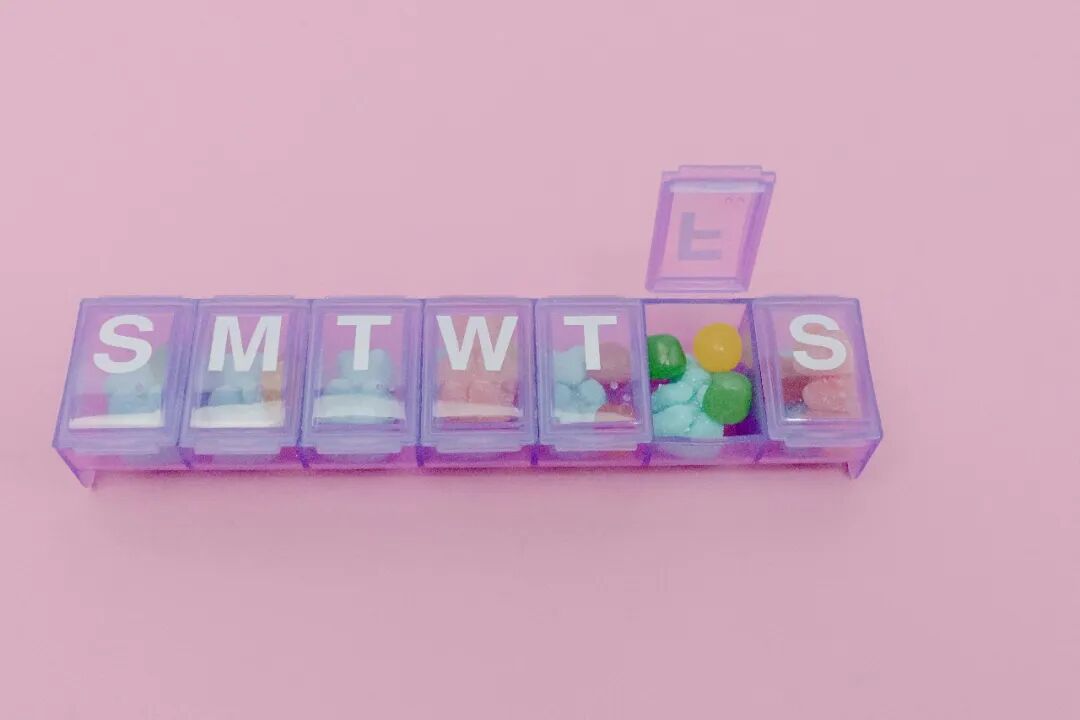
NOTE: Prepping your medications in boxes like this can be great for convenience, but may be confiscated by customs since they cannot determine that the medications match what your doctor said you will be carrying.
Vaccinations for Children and Adults
Different destinations carry different infection risks.
Your doctor will check:
Routine childhood and adult vaccines
Travel-specific recommended or required vaccines
Timing of vaccines for younger children
Many countries offer reliable destination health information through their CDC or Travel websites, outlining country-specific risks and vaccination guidance.
TIP: You can also check your own country’s process for registering your travel to the country you are visiting- this can be vital for assistance in natural or civil emergencies.
Special Considerations When Travelling with Children
Infants and Young Children
For babies under six months, avoiding remote destinations is generally recommended, as access to medical care may be limited in emergencies.
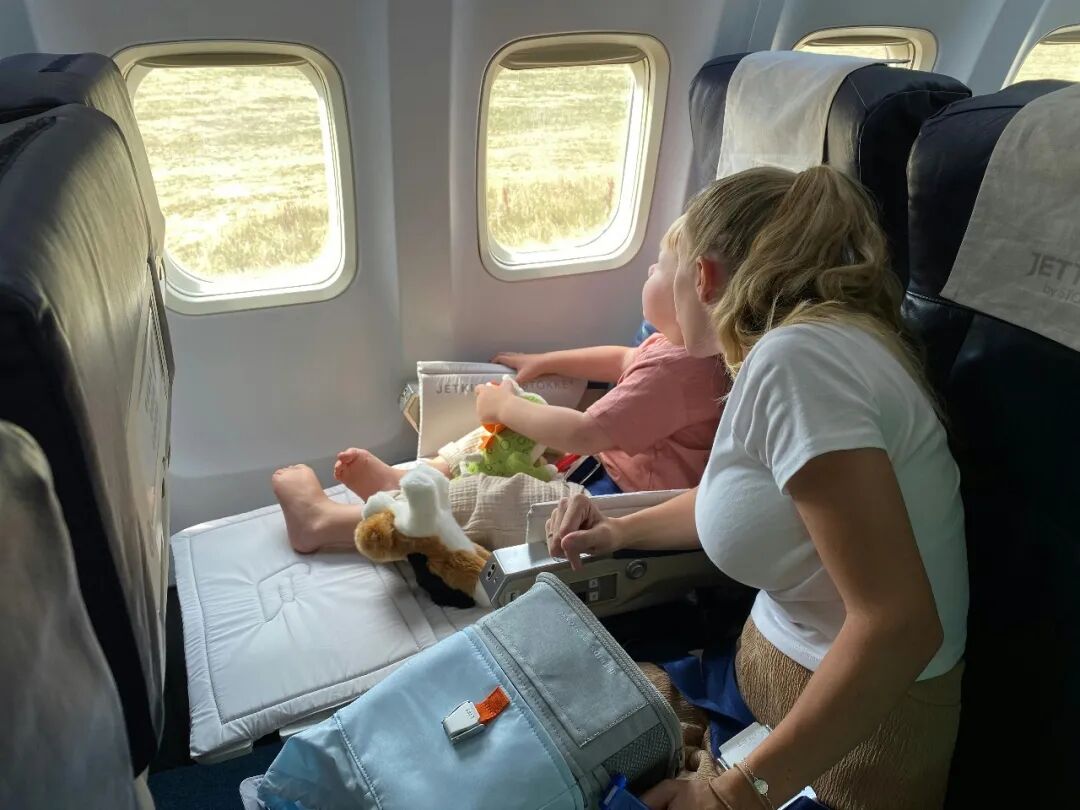
Flying with Children
To help reduce ear discomfort during flights:
Encourage swallowing by offering drinks
Breastfeed or use a bottle or pacifier during take-off and landing
For children over three years, sucking on a candy may help equalise pressure (supervise if a choking risk and don’t allow them to fall asleep with it in their mouth)
Children and Adults with Chronic Conditions or Special Needs
If any family member has a chronic illness or disability, additional preparation is essential.
Ask your doctor for a medical summary letter that includes:
Diagnoses and ongoing conditions
Regular medications and dosages
Emergency management instructions
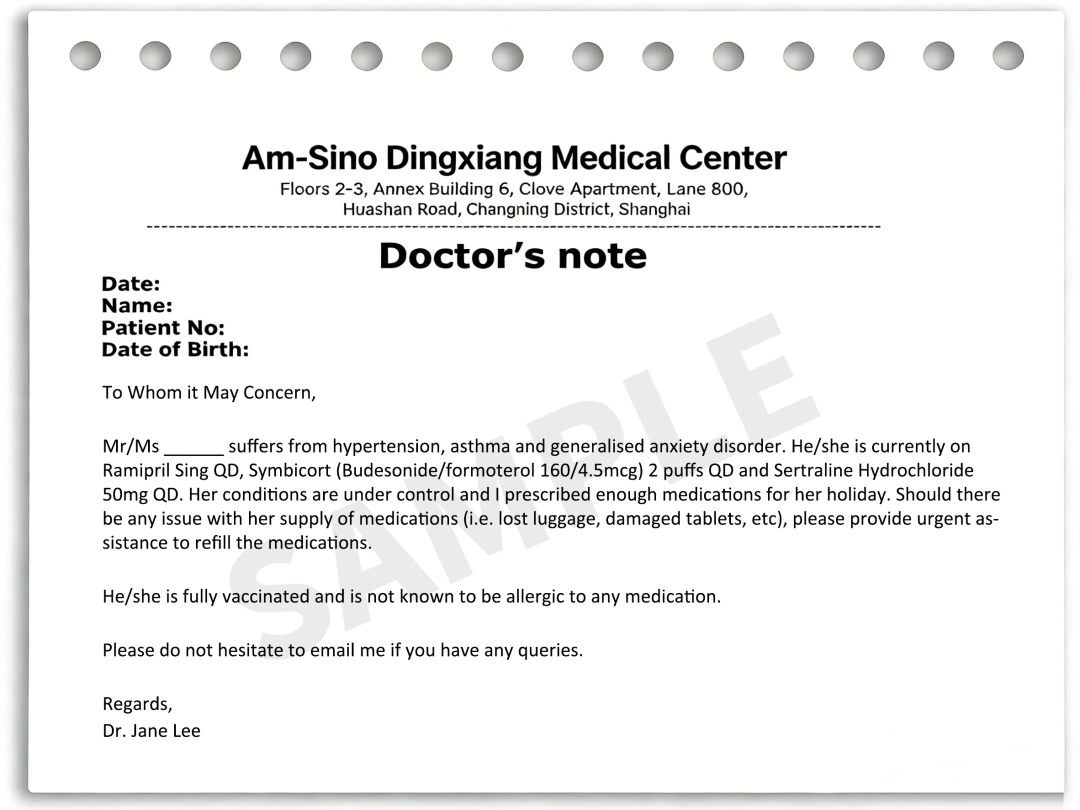
This letter should ideally be translated into the local language of your destination. Keep it with your insurance documents at all times. This is especially important for travellers with conditions such as asthma, heart rhythm disorders, kidney disease requiring dialysis, diabetes, or those travelling with a guide or service animal.
Prepare a Family Travel Medical Kit
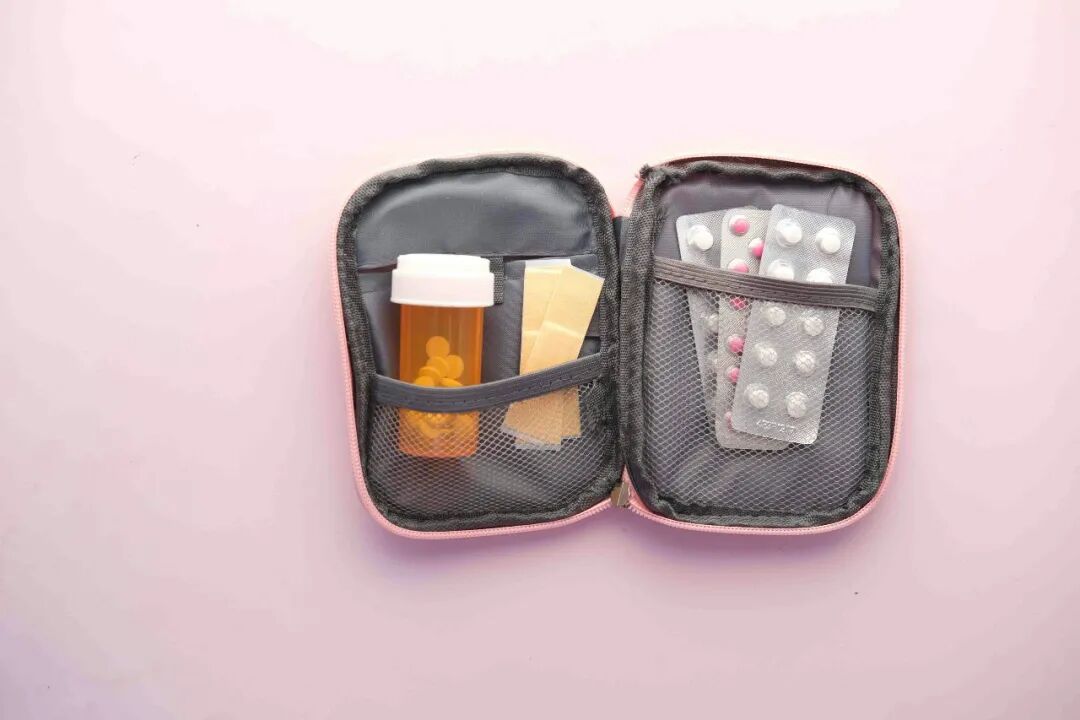
A small, well-organised medical kit (including a thermometer!) can be invaluable when travelling with children. The most common travel-related issues include gastrointestinal illness, minor injuries, and insect bites.
For Stomach and Bowel Issues
Pack:
Oral rehydration salts
Anti-diarrhoeal medication (if age-appropriate)
Antacids
Paracetamol or ibuprofen (child-safe formulations where needed)
Dietary fibre supplements
Food and Water Safety
In destinations where tap water is unsafe:
Drink only sealed bottled water
Use bottled or boiled water for brushing teeth
Avoid raw or undercooked foods (caution may need to be taken with salads!)
Choose freshly cooked meals
Managing Minor Injuries on the Go
Children are especially prone to minor cuts and scrapes while travelling. Include:
Hand sanitiser or alcohol wipes
Antiseptic solution
Antibiotic ointment
Adhesive bandages
Sterile gauze and bandages
Medical tape and small scissors
These items allow prompt care until professional medical attention is available.
Protection Against Allergies, Insects, and Sun
Depending on your destination, consider packing:
Antihistamines (tablets or paediatric drops)
Insect repellent (DEET ≥20%)
After-bite cream
Long-sleeved clothing and long pants
Bed netting in mosquito-prone areas
Sunscreen (SPF 50+)
Aloe vera gel for sunburn
Check Your Travel Insurance Carefully
Before departure, confirm:
Coverage for emergency medical visits abroad
Hospital admission and inpatient care procedures
Coverage for accidents sustained during ‘high’-risk activities, such as certain sports or travel on motorcycles/mopeds, as this may void your policy
Medical evacuation or repatriation coverage
Coverage for evacuation during natural emergencies or civil unrest
It’s also helpful to identify medical facilities near your accommodation and understand how to access emergency services at your destination.

Travel Prepared, Travel Confident
Travelling with children of any age is more enjoyable when health concerns are addressed in advance. The team at The Am-Sino Family Practice is happy to support your family’s travel plans with personalised medical advice and preparation, helping you anticipate risks, plan appropriately, and enjoy your vacation!
Image source: Pexels

Wechat Enquiries
& Appointments