

A Rare Ovarian Pregnancy
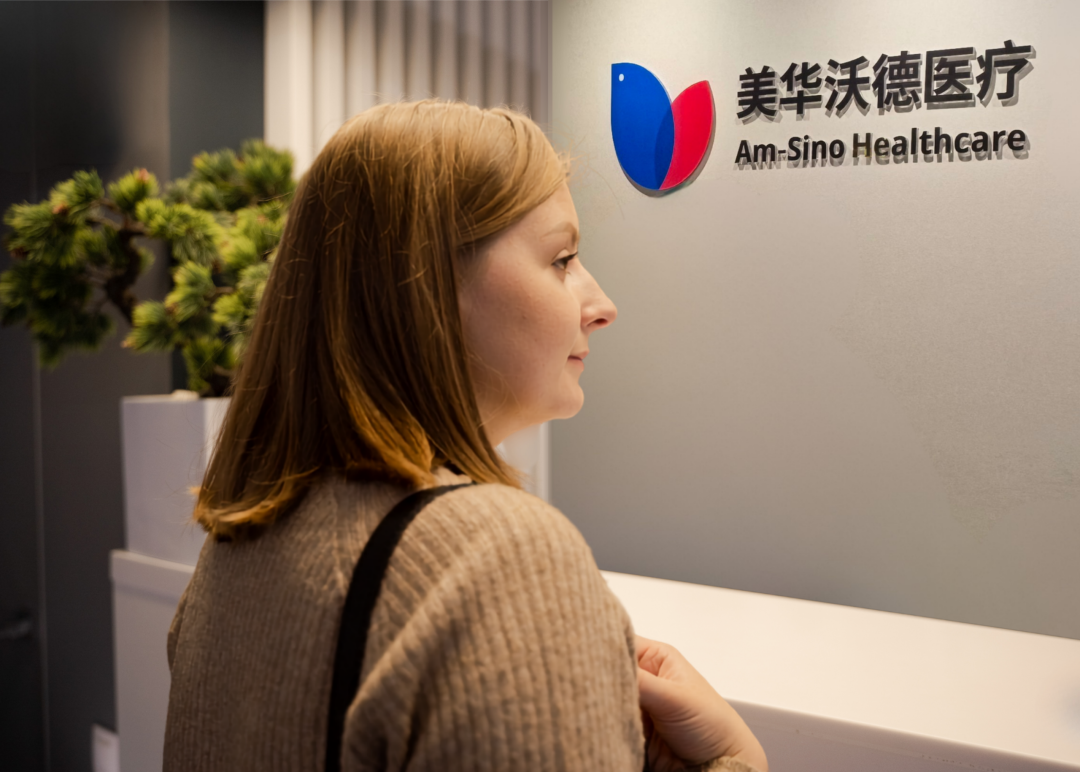
Clara (a pseudonym) walked into Am-Sino International Women's Health at Dingxiang Medical Center on a quiet weekday morning, hoping to receive good news via early pregnancy ultrasound of her long-awaited second pregnancy. She had been coming to the same clinic for pre-conception visits with Dr. Sylvia Dai, and through those appointments, and her difficult journey to conception, both Dr. Dai and Clara knew well the emotional weight of this ultrasound.
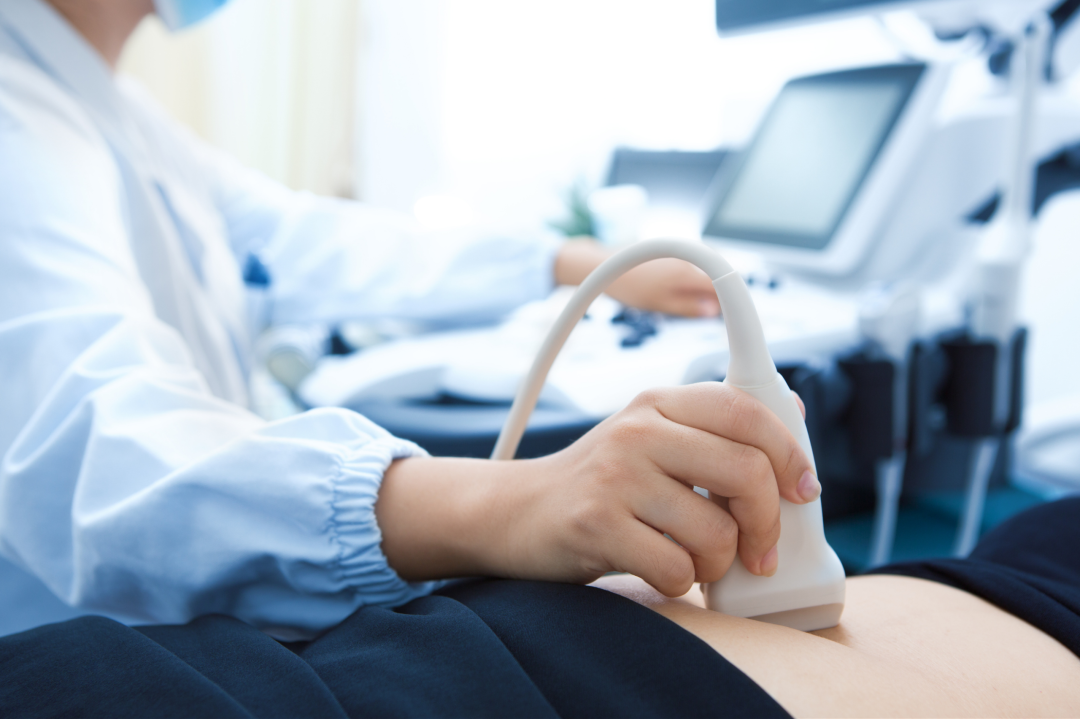
The air of hopeful expectation in the early‑pregnancy ultrasound soon turned to a still silence. The uterine cavity was empty. The staff drew a blood for a test to check her pregnancy hormone (hCG) levels and gently asked Clara to stay in the waiting area rather than head home.
She spent the time rearranging work calls, and trying not to watch the clock. She later recalled that what unsettled her most was not the wait itself, but the sudden shift in the room’s energy - the quiet urgency of a routine checkup evolving into a much more complicated event.

It was Dr. Sylvia who sat down with her to discuss the results. Because she already knew the details of Clara’s conception journey, the conversation moved straight to what the findings meant: a rising hCG level at this stage of her pregnancy but no sign of a developing embryo inside the uterus meant a diagnosis of an ectopic pregnancy.
In Clara’s case the location of the growing pregnancy could not be visualized on ultrasound, and so the timing for safe intervention was urgent. In a state of quiet shock, despite the gentle and empathetic way in which Dr. Sylvia broke the news, Clara realised the urgency of the situation when she asked if she could go home to pack a bag: the answer was firm but kind- transfer to the inpatient surgical unit at American‑Sino Women’s & Children’s Hospital needed to happen now.

By the time Clara arrived at the hospital, the surgical team was already prepared. In the pre‑operative bay, she noticed something she had not expected: a calm, almost ordinary rhythm to the preparations. The anesthesiologist moved through safety checks with a conversational lightness, and the nursing team spoke to her as a person rather than just a case number.
Dr. Sylvia, who had coordinated the transfer and would lead the surgery, maintained the same steady presence Clara had known from the clinic. Seeing a familiar face in that setting mattered in a way she found difficult to articulate, and it made the experience feel far less overwhelming.
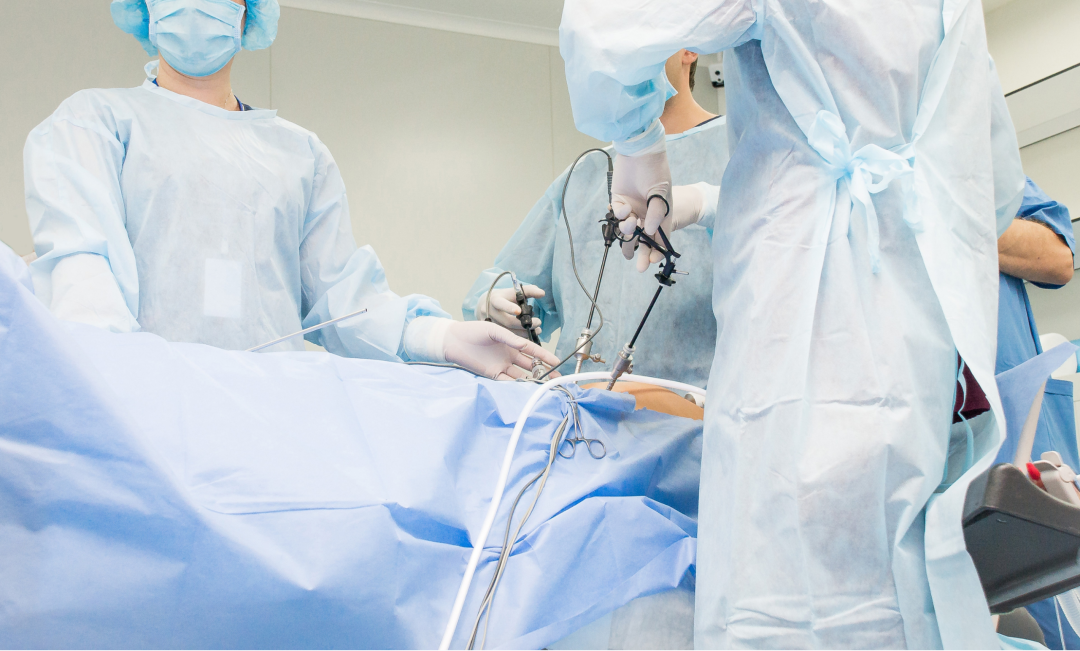
Under high‑definition laparoscopy, the team encountered a very unusual finding: the growing embryo and gestational sac was not in the fallopian tube, the most common site, but rather had implanted on the surface of the ovary itself.
Ovarian ectopic pregnancies occur in roughly 0.3% to 3% of all ectopic cases (and an estimated occurrence of 0.003% – 0.06% of all reported pregnancies) and they require a delicate surgical approach so as not to cause excessive bleeding and to preserve the ovary and fallopian tube. The team performed the surgery with minimal blood loss, and their careful and patient approach preserved Clara’s reproductive organs with their full function.




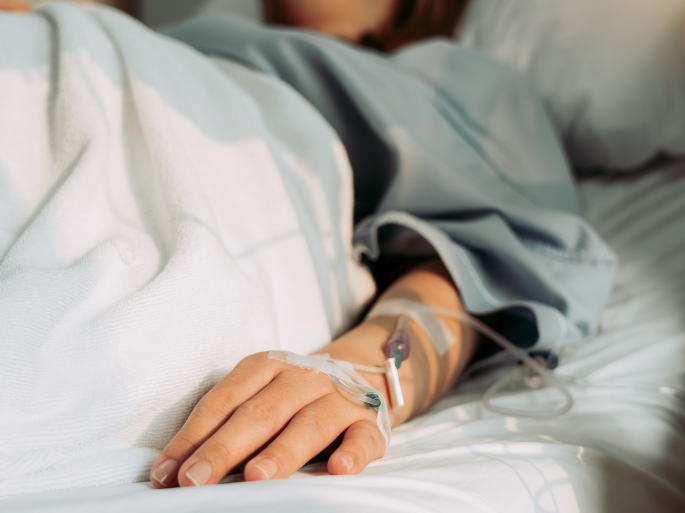
Clara woke from anesthesia with a sensation of calm. Her first awareness was not of pain, but of quiet- the kind of quiet that follows a storm. She was met by Dr. Sylvia with the news that the surgery had been a success and had preserved her ovary and fallopian tube intact, and that her reproductive future would not be impacted by any unnecessary removal of organs. The news landed with an almost palpable sense of relief.

That evening, as the rain fell heavily outside the hospital window, Dr. Dai sat with Clara and they spoke about how she was feeling. The ability to have this moment with someone who knew her story and reproductive journey was immeasurably comforting.

For people navigating early pregnancy of unknown location, the story underscores a practical reality: the quality of acute care is shaped not only by surgical skill, but by whetherthe systems around the patient-transfer coordination, language access, continuity with a known physician, and the time to be heard - hold together under pressure.
Clara’s case of a rare diagnosis, a fertility‑sparing operation, and a physician who already knew her history shows how trusted continuity of care matters when the clinical and emotional stakes are highest.