

Protect Your Baby Against RSV
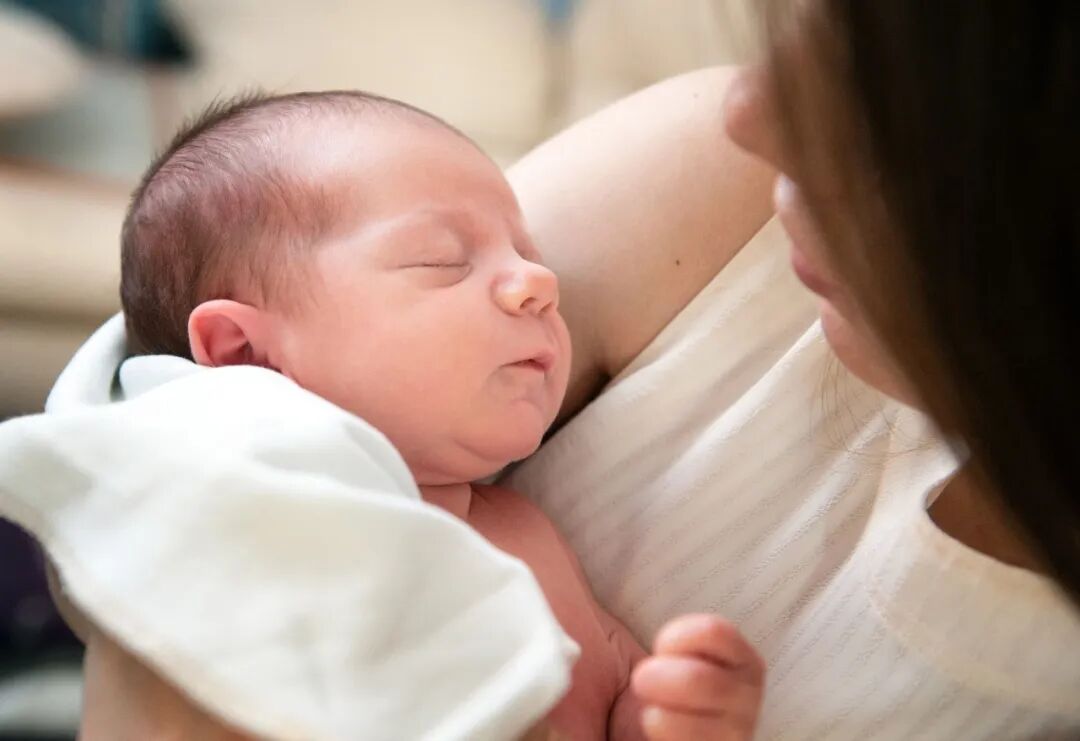
Respiratory Syncytial Virus (RSV) is a highly contagious virus that spreads through respiratory droplets and direct or indirect contact. It is the leading cause of acute respiratory infections in children under five, and a leading cause of hospitalisation in babies, particularly during the first year of life.
While RSV infections often present with mild cold-like symptoms, they can escalate rapidly, leading to severe conditions such as bronchiolitis and pneumonia. Severe cases may require ventilator support and can increase the risk of long-term respiratory issues, including asthma. Additionally, RSV can impact the central nervous system, cardiovascular system, and other organs, causing a range of complications.
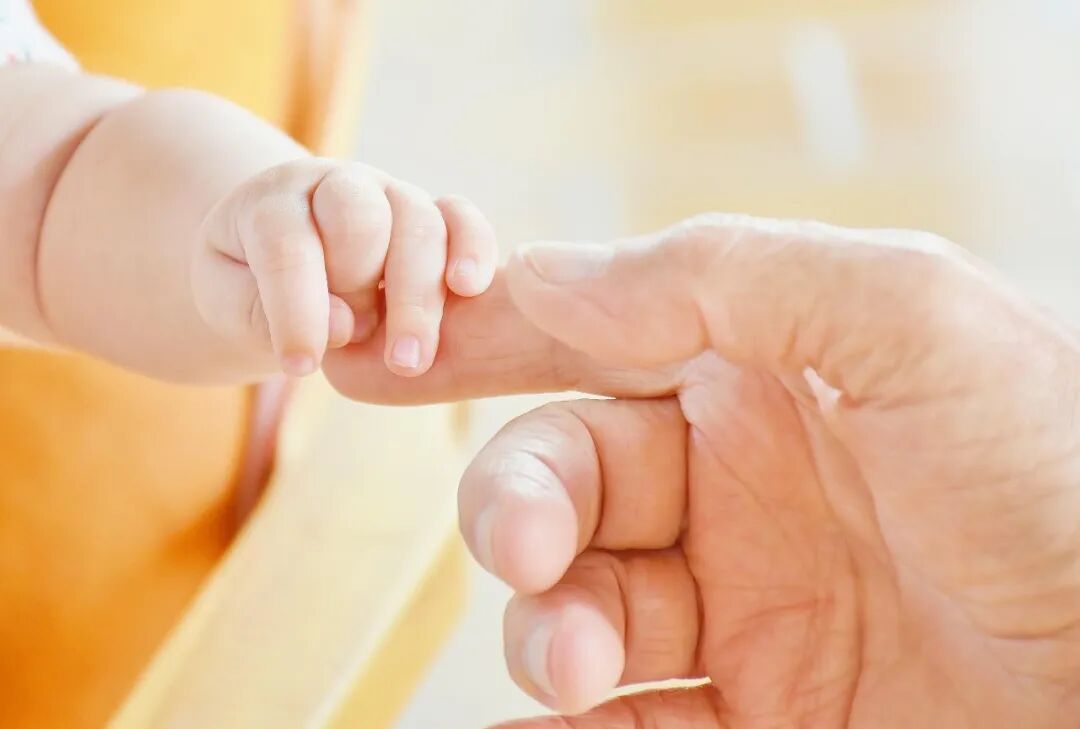
RSV can be particularly serious for babies, especially those under 6 months. In the US, compared with children aged 12–23 months, infants aged 0–2 months have around six times the rate of RSV-related hospitalisation, while infants aged 6–11 months have almost twice the rate.*
RSV typically has a seasonal pattern, peaking from November to April in the Northern Hemisphere. Parents can help reduce infection risks by avoiding crowded places during peak seasons and practicing good hygiene, such as wearing masks in public and washing hands frequently when out and at home.
The introduction of Nirsevimab provided advanced protection against RSV. This monoclonal antibody injection provides babies with ready-made antibodies against RSV. These antibodies help stop the virus from entering cells, providing immediate, but temporary, protection against severe RSV disease.
Nirsevimab is a monoclonal antibody product. It is distinct from traditional vaccines, as it provides near-immediate passive protection by delivering RSV-neutralising antibodies to the body, rather than stimulating the body to create its own antibodies.
A single injection of Nirsevimab offers continuous protection throughout the RSV season and is suitable for all newborns, including premature babies and those with underlying health conditions, and babies up to 12 months old who will be entering their first RSV season.
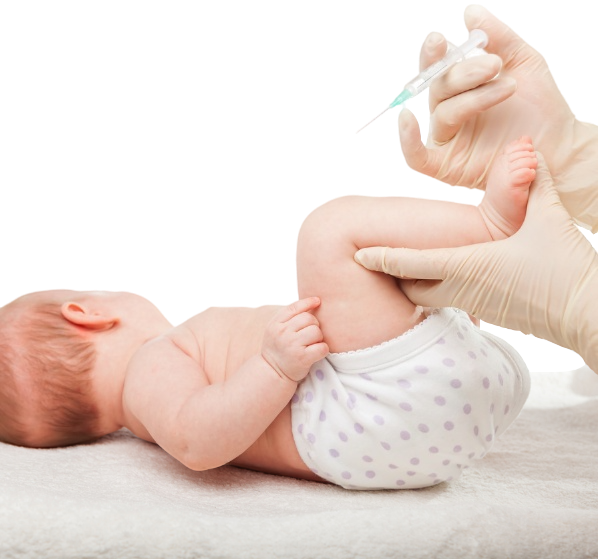
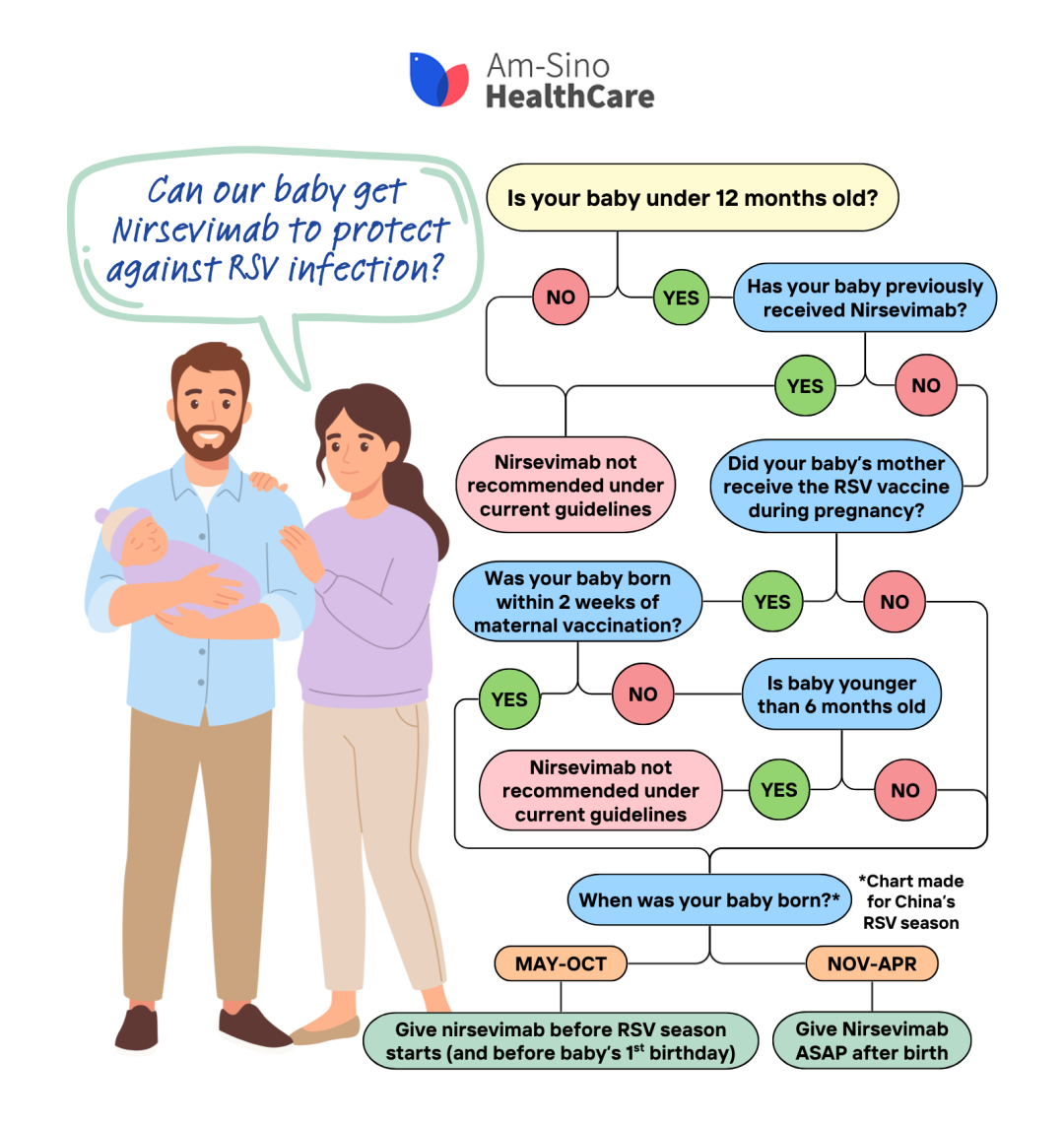
Who Can Receive It?Nirsevimab is approved for newborns and infants in China aged 0-12 months old. It is administered only as a single injection, with the dosing based on babies weight. The eligibility and timing of the injection are as follows:
Babies born between May and October
These infants were born after the previous RSV season and so would likely not yet have received Nirsevimab. It is recommended that they receive the injection by the end of October at the latest, to ensure protection before the season begins.
Babies who will be born between this coming November and April
These infants are born during the active RSV season and should receive the injection after birth- either before hospital discharge, or as soon as possible afterwards.
Babies previously vaccinated during last season
Babies who were born during the last RSV season and previously received Nirsevimab cannot repeat it this season, even if they are still under 12 months old. The duration of the highest level of antibody protection lasts approximately five months after the injection, but after that time antibody levels wane rather than abruptly cease. Testing shows that some level of protection lasts throughout the first year and into the second, so if RSV is subsequently acquired the symptoms are generally milder.
Not previously vaccinated and under 12 months old
For babies born during the last RSV season, still under 12 months old, and who never previously received Nirsevimab, they may get their injection before their 1st birthday.
For babies who’s mothers received the RSV vaccination during the last months of pregnancy

if baby is less than 6 months old - they are still protected by the transfer of antibodies via the placenta from prenatal vaccination, and they do not need a Nirsevimab injection.

if baby is older than 6 months - the antibodies received during pregnancy are waning- if they never previously received Nirsevimab they may get it before they turn 1 year old.

if baby is born less than 2 weeks after the prenatal vaccination was received - they should receive a Nirsevimab injection as well- there was not enough time for the development of maternal antibodies to reach them in sufficient levels.
Dosage: Only one intramuscular injection is required. The recommended dose is 50 mg for infants weighing <5 kg, and 100 mg for infants weighing ≥5 kg.
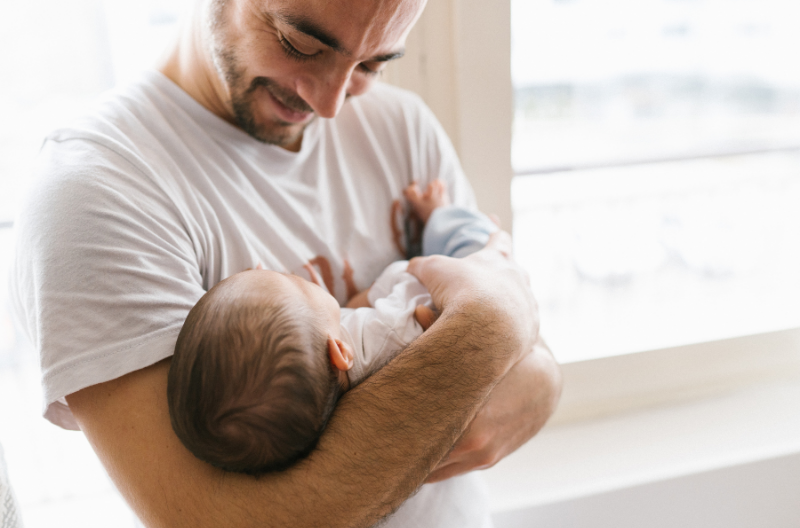
The safety profile of Nirsevimab is good, with mild to moderate rashes being the most common adverse reaction (occurring in only about 0.7% of cases), with fever and injection site reactions being even less common.
Nirsevimab can be administered alongside other routine infant vaccines (such as hepatitis B and DTaP) on the same day (at different injection sites on the body) without issue.
References
*https://www.cdc.gov/acip/evidence-to-recommendations/nirsevimab-season1-rsv-infants-children-etr.html
Expert Consensus on the Clinical Diagnosis and Treatment of Pediatric Respiratory Syncytial Virus Infections (2023 Edition)
Expert Consensus on the Monitoring and Prevention of Human Respiratory Syncytial Virus Infections (2023)
Interpretation of Group Standards for Diagnosing Human Respiratory Syncytial Virus Infections (2023)
Clinical Research Progress on Human Respiratory Syncytial Virus Vaccines (2023)
Nirsevimab Instructions
Guidelines for Diagnosis, Treatment, and Prevention of Pediatric Respiratory Syncytial Virus Infections in China (2024 Edition)
Global Pediatric Respiratory Alliance, Chinese Medical Education Association Pediatric Professional Committee, Chinese Medical Association Pediatrics Branch Respiratory Group, et al. Global Pediatric Respiratory Alliance Initiative: Use of Preventive Monoclonal Antibodies to Protect All Infants from Severe Respiratory Syncytial Virus Infections. Chinese Journal of Practical Pediatrics, 2025, 40(04): 241-245. DOI:10.3760/CMA.J.CN101070-20250217-00101