


Exercise and Travel during Pregnancy
Pregnancy doesn’t mean you have to stop moving or exploring. With a few precautions, exercise and travel can remain safe and enjoyable. Here we go over some practical tips to help you stay active and travel comfortably during pregnancy.
Is exercise safe during pregnancy?
Yes. If you are healthy and have a normal pregnancy, regular physical activity is safe and does not increase the risk of miscarriage, low birth weight, or early delivery. Always discuss your plans with your obstetrician during early prenatal visits to confirm what types of exercise are suitable for you.

Benefits of exercise
Staying active during pregnancy may:
Reduce back pain and ease constipation
Lower the risk of gestational diabetes, preeclampsia, and cesarean birth
Support healthy weight gain
Improve fitness, heart health, and circulation
Help with postpartum weight loss
How much should I exercise?
Aim for 150 minutes of moderate-intensity aerobic activity per week (e.g., brisk walking, light gardening). You should feel your heart rate increase but still be able to talk comfortably.
If you’re new to exercise, start with 5 minutes a day and increase gradually.
If you were active before pregnancy, you can usually continue your routine with your doctor’s approval.
Body changes to keep in mind
Joints: Pregnancy hormones loosen ligaments, increasing injury risk. Avoid high-impact, jerky movements.
Balance: A growing belly shifts your centre of gravity, making falls more likely.
Breathing: Increased oxygen needs may make strenuous exercise harder.
Safety tips
Drink plenty of water before, during, and after activity.
Wear a supportive bra; later in pregnancy a belly band may help.
Avoid overheating- exercise in a cool environment and wear loose clothing.
Avoid long periods of standing still or lying flat on your back.
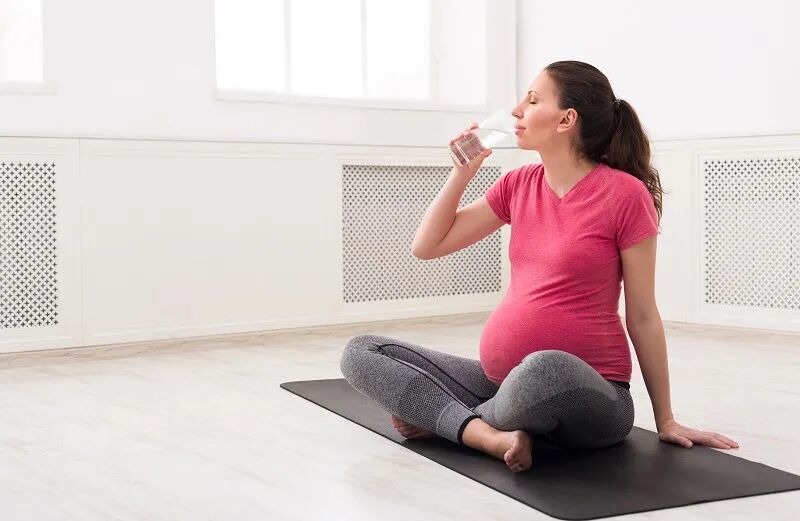
Safe exercise options
Walking – gentle and effective.
Swimming / water aerobics – low-impact and supportive.
Stationary cycling – safer than a regular bike as your balance changes.
Prenatal Yoga or Pilates – improves flexibility and breathing (avoid long periods lying on your back).
Experienced runners may continue with medical guidance.
Exercises to avoid
Contact sports (soccer, basketball, hockey, boxing)
Activities with fall risk (skiing, surfing, horseback riding, gymnastics, off-road cycling)
Skydiving or scuba diving
Hot yoga or hot Pilates
Activities above 1800 meters elevation (if you don’t already live at high altitude)
Stop exercising and call your doctor if you experience:
Vaginal bleeding
Dizziness or fainting
Chest pain
Severe headache
Shortness of breath before activity
Muscle weakness
Calf pain or swelling
Painful regular contractions
Fluid leaking or gushing from the vagina
Ultimately, staying active during pregnancy is beneficial for you and your baby- just stay hydrated, listen to your body, and check in with your obstetrician if you’re unsure about any activity.
Is it safe to travel?
For most healthy pregnancies, travel is safe until late pregnancy. Always check with your obstetrician (OB-GYN) first, especially if you have complications or are traveling far from medical care.
Common travel risks
Infections from food, water, insects, or crowded areas
Blood clots from long periods of sitting
Limited access to your doctor, hospital, or medications
Preterm labour or giving birth while away
Best time to travel
The most comfortable time is 14–28 weeks. Later in pregnancy, sitting or moving for long periods becomes harder, and the chance of going into labour while you are away is higher.
Check with your OB-GYN
Have a check-up 4–6 weeks before your trip to confirm your travel plans are safe.
Check again with your OB-GYN that travel is still ok during your pregnancy is advisable during the week before you leave. At this time they can issue a pregnancy certificate documenting your due date, or a fit-to-fly certificate if needed by your airline or insurer.
Travel may not be advised if you have:
Preeclampsia
Preterm labour
Prelabor rupture of membranes (PROM)
During your OB visit, discuss vaccines, medications, planned activities, and warning signs to watch for.
Warning signs - get medical care if you have:
Vaginal bleeding
Abdominal pain or contractions
Leaking fluid (“waters breaking”)
Severe headache, vision changes, or facial/hand swelling
Fever, vomiting, or diarrhoea
Leg pain/swelling (possible DVT)
Preventing Blood Clots (DVT)
Trips longer than 4 hours increase the risk of DVT, especially in pregnancy.
Reduce risk by:
Drinking plenty of water
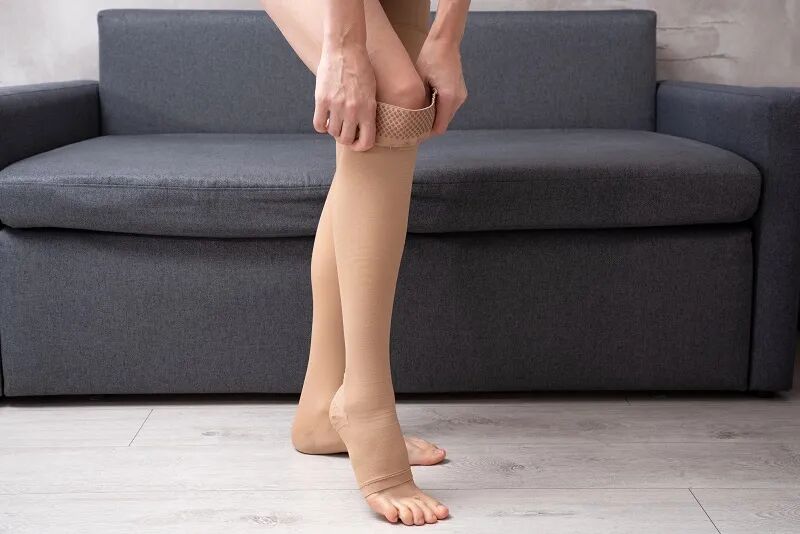
Wearing loose clothing (with the exception of compression socks/stockings)
Walking or stretching regularly
Discussing compression stockings with your OB-GYN

Always wear your seat belt low across your hips
Stop regularly to stretch and walk
Wear comfortable clothing
Drink water and eat regularly
Share the driving with a companion

Air travel is generally safe until 36 weeks (it may be restricted earlier for international flights - check airline policy)
Aisle seats make it easier to move around
Wear your seat belt low across your hips at all times
Walk and stretch regularly
Avoid carbonated drinks before and during the flight
Ask your OB-GYN if you need compression stockings
Avoid flying if you have a condition that could worsen in flight or require emergency care in the air.
Be Prepared
Always carry:
Health insurance information (be sure you have checked your coverage in your destination of choice)
Copies of medical records and a list of your prescription medications (including dosage)
Enough medication for the entire trip (plus extra)
Contact details for your doctor
A list of nearby hospitals or clinics at your destination (check that they are licensed/equipped for maternity)

Remember: while most pregnancies go to term, about 1 in 10 babies are born early - often without warning. A tropical beach holiday can be a wonderful babymoon, but before you book, check whether your destination has the level of medical care you’d want if complications or early labour occur- it's not always possible to fly back to your usual doctor if they do! Discuss your plans with your OB-GYN and weigh-up the local medical resources and travel logistics before you go.
Resource:
American College of Obstetricians and Gynecologists. (2024, January). Exercise During Pregnancy. https://www.acog.org/womens-health/faqs/exercise-during-pregnancy
American College of Obstetricians and Gynecologists. (2024, January). Travel During Pregnancy. https://www.acog.org/womens-health/faqs/travel-during-pregnancy

(click to view more details)
At Am-Sino International Women's Health and Birth Center, we pride ourselves on providing compassionate, comprehensive, and culturally sensitive care to women of all ages.
Our bilingual team of experienced obstetricians and gynecologists offers a full spectrum of services, from routine health check-ups and prenatal care to advanced treatments for complex gynecological conditions.
In our comforting birth center, we strive to create a safe, supportive, and personalized environment for you to welcome your baby, respecting your choices and preferences throughout your birth journey.
From adolescence to menopause, and from contraception to parenthood, we prioritize individualized care, empowering you to take control of your health, wellness, and reproductive journey.
- Medical Team -
- Insurance Partners -

- Service Information -
Address: 17 Floor, 155 Songyuan Road,
Xuhui District, Shanghai
9:00 - 17:00 Monday to Saturday
- Contact us -

WeChat Enquiries
& Appointments