


Why It's 'Hip' To Be Screening

Developmental Dysplasia of the Hip (DDH) and Hip Screening in Babies
Developmental dysplasia of the hip (DDH) is a condition where a baby’s hip joint doesn’t develop in the usual way. The ball at the top of the thigh bone may be slightly loose in the socket, or in more serious cases, it may not sit in the socket at all.
The good news is that DDH is very treatable, especially when it’s found early. Most babies who receive treatment in the first few months grow up with normal hip function.
This article explains what DDH is, what signs parents can look for, and how doctors screen babies to make sure their hips are developing well.
What Is Developmental Dysplasia of the Hip?
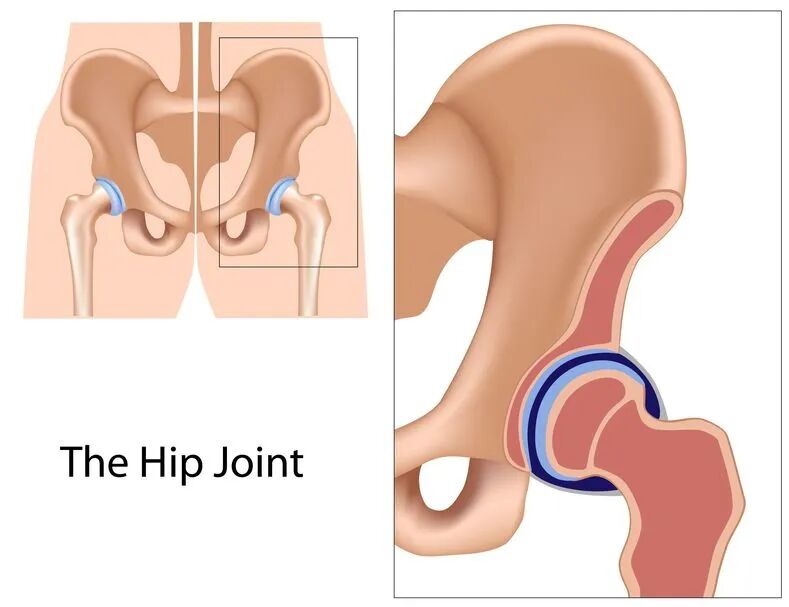
The hip is a “ball-and-socket” joint. In DDH, the socket may be shallow or loose, which makes it harder for the ball to sit in the right place. DDH is called developmental because it can be present at birth or develop in the first months of life.
What Increases the Risk of DDH?
Some babies have a higher chance of developing hip dysplasia:
Breech position late in pregnancy
Family history of DDH in a parent or sibling
Girls (because of the effect of maternal hormones on ligaments)
Firstborn babies, twins, or babies who were “squished” due to less room in the uterus
Tight swaddling with legs straightened
Certain baby carriers or slings that hold the baby’s legs together or in a dropped down position
Many babies with risk factors still have normal hips, but these factors may help doctors decide who could benefit from extra monitoring.
Signs Parents Might Notice
Many babies with DDH don’t show obvious signs, which is why routine check-ups are important. Sometimes, parents may see:
· Uneven/asymmetrical thigh creases
· One leg that seems harder to move outward
· One leg that looks shorter than the other
· A waddling walk or limp once the child starts walking

A common concern from parents is hip "clicking". Most soft clicks are normal and not a sign of DDH. A true “clunk,” felt by a trained clinician during an exam, is more concerning.
If you notice anything unusual, speak with your child’s doctor at their regular well-baby check-up.
How Doctors Screen for DDH
Physical Examination
Doctors use gentle movements to check if the hips are stable and positioned correctly. Two well-known checks are the Ortolani and Barlow tests. These should only be done by trained healthcare providers.

Ultrasound
In some countries, routine ultrasound screening at around 1-2 months is recommended. In other countries, ultrasound is reserved for situations where the exam is unclear, or if the baby has risk factors (such as breech birth).
Ultrasound is painless and safe, and it shows how the hip is forming, however it may not be very accurate for this purpose during the first weeks of life.
X-ray
For older babies (usually over 4–6 months), an X-ray can be used because by this age the hip bones have begun to harden.
Treatment Options
Treatment depends on the baby’s age and how the hip looks on imaging. Early treatment gives the best results. Options include:
Pavlik Harness
For babies under 6 months, the most common treatment is a soft harness that gently holds the hips in the ideal position. Babies wear it full-time for several weeks. Most sleep, feed, and play normally in it.
Bracing
If the harness isn’t enough, or for slightly older babies, a firmer brace may be used.
Surgery
If DDH is found later or doesn’t improve with bracing, a specialist may recommend a procedure to place the hip in the correct position. The need for surgery is less common when DDH is found and treated early.
Prevention and Hip-Healthy Habits
Parents can reduce the risk of DDH by:
using hip-friendly swaddling (legs loose and able to bend)
choosing baby carriers that support the baby's thighs and allow the legs to open in an “M” shape (as opposed to carriers that hold their legs together or support their crotch only while their legs drop down).

Outlook for Babies With DDH
DDH is highly treatable, especially when detected early. Most babies who receive timely treatment go on to walk, run, and play normally with no long-term problems.
Regular check-ups, routine screening, knowing the risk factors, and being aware of healthy hip positioning can all help ensure your baby’s hips develop well.

▲ Click on the card above to make an appointment.