


How Often Should Fluoride Be Applied?
If you’ve ever wondered about the fluoride needs of your children, you’re not alone. Let’s take a closer look at what fluoride treatment really is, why it matters, and how to make sure your child gets the best protection against tooth decay.
01
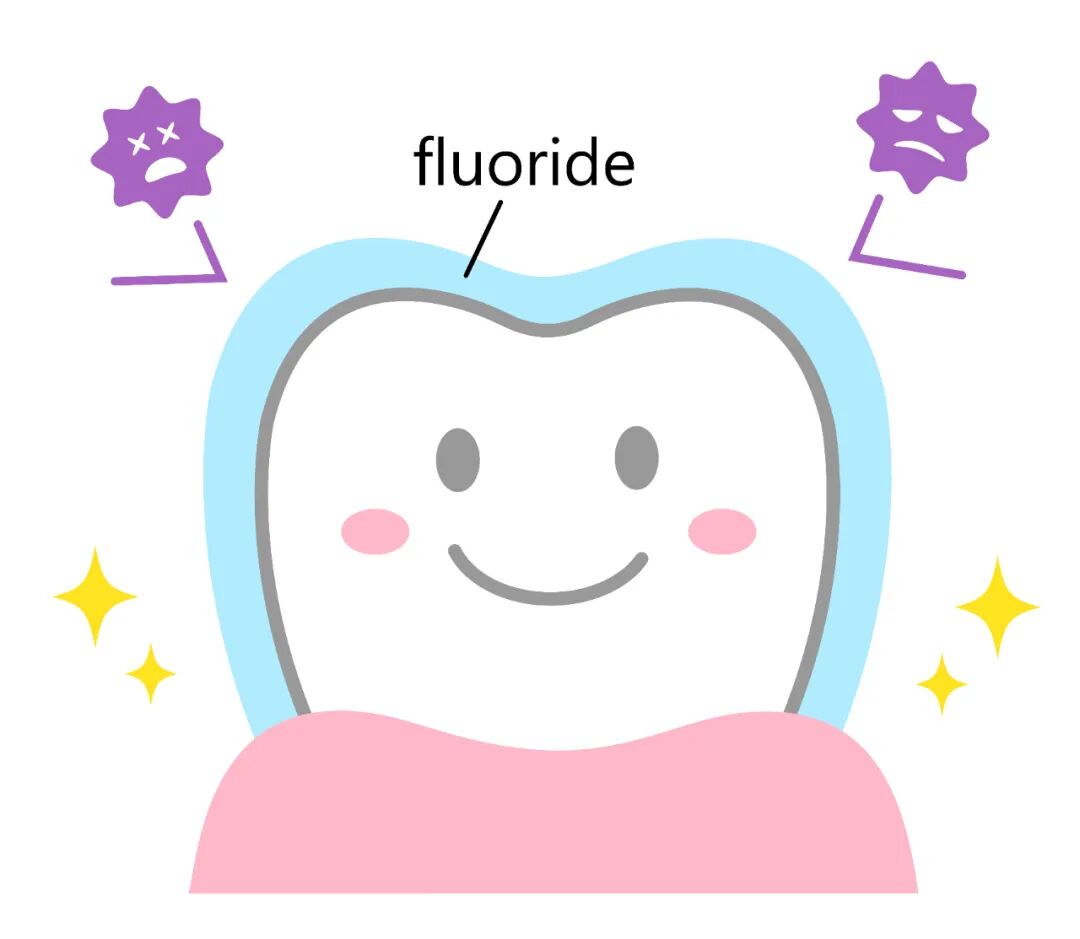
Fluoride treatment is like giving your child’s teeth a protective shield.
A dentist applies a special gel or varnish containing a high concentration of fluoride evenly across the tooth surface. This fluoride seeps into the enamel, making it stronger and more resistant to acid attacks from bacteria that cause cavities.
The benefits include:
Strengthening tooth enamel – makes teeth more resistant to decay.
Repairing early damage – helps reverse tiny white spots that signal the beginning of cavities.
Inhibiting bacteria – reduces the acid-producing ability of harmful plaque bacteria.
Professional fluoride treatments are one of the most effective ways to prevent cavities.
02
There’s no strict age limit for fluoride application. A better guideline is: start when the first baby tooth appears (around six months old) and continue until all permanent teeth have come in and your child’s risk of tooth decay has significantly decreased.
Here’s how it breaks down by stage:

Infancy and Toddler Years (Baby Teeth Stage)
Start: As soon as the first baby tooth erupts (around 6 months).
Why it matters: Baby teeth are essential for chewing, speech, and holding space for adult teeth. The idea that “baby teeth don’t matter because they’ll fall out anyway” is completely false- decay in baby teeth can directly affect the health (and alignment) of future permanent teeth.


School Age (Mixed Dentition Stage)
This is the most critical period for fluoride protection. Around age 6, the first permanent molars- also known as “six-year-old molars”- emerge. These teeth are especially prone to cavities.
Because the enamel on new permanent teeth isn’t fully hardened yet, they need extra fluoride protection. Regular fluoride treatments during this time are essential.
Teen Years (Permanent Teeth Stage)
By age 12 to 14, most children’s permanent teeth (except the wisdom teeth) have fully erupted.
Whether fluoride treatments continue beyond this point depends on your child’s cavity risk.
Low risk: If your child brushes with fluoride toothpaste, has good dental hygiene and no recent cavities, your dentist may suggest stopping professional fluoride applications.
High risk: If your child wears braces, has weak enamel, or frequent sugary snacks, fluoride treatments may still be recommended throughout adolescence- or even adulthood.
03
According to the American Academy of Pediatric Dentistry (AAPD), the recommended frequency depends on the cavity risk:
•Moderate to high risk: Every 3–6 months
•Low risk: Every 6 months
Your dentist will assess your child’s habits, diet, and dental history to set an appropriate schedule.
04
Q1: Does it hurt?
Not at all! The procedure takes about 5–10 minutes and is completely painless.
Q2: Is it safe?
Parents often worry that children might swallow the fluoride, or that it could be harmful at these concentrations. Rest assured- professional fluoride varnishes use extremely safe amounts.
Allergies to fluoride are very rare, and dentists always review your child’s medical and allergy history before the procedure.
Q3: What should we do after fluoride treatment?
After application:
Avoid eating or drinking for 30–60 minutes.
Don’t brush or floss for 2–4 hours afterward.
That evening, just rinse gently and skip brushing once to allow the fluoride to stay on the teeth longer for maximum effect.
Q4: If we already use fluoride toothpaste, do we still need professional fluoride treatments?
Yes! They serve different purposes.
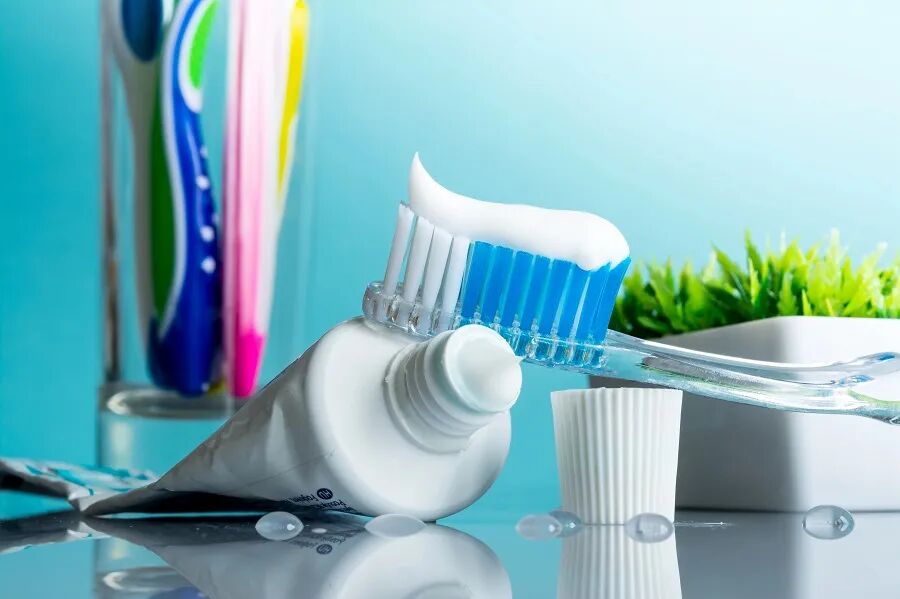
Toothpaste provides daily, low-level maintenance, while professional applications deliver high-concentration, long-lasting protection. The two work best together.
Q5: Can we do it at home?
It’s not recommended to perform these treatments at home, as at-home application can lead to improper dosage or uneven coverage, reducing safety and effectiveness.
It's good to also remember that your dentists won't just apply fluoride as a one-size-fits-all process- they check your child’s overall oral health and tailor fluoride use to their specific needs.

Building a Strong “Shield” for Every Smile
At Am-Sino Dental Department, our pediatric dental specialists provide individualized fluoride care plans designed to protect your child’s teeth throughout childhood and adolescence, creating a strong, healthy foundation for life.
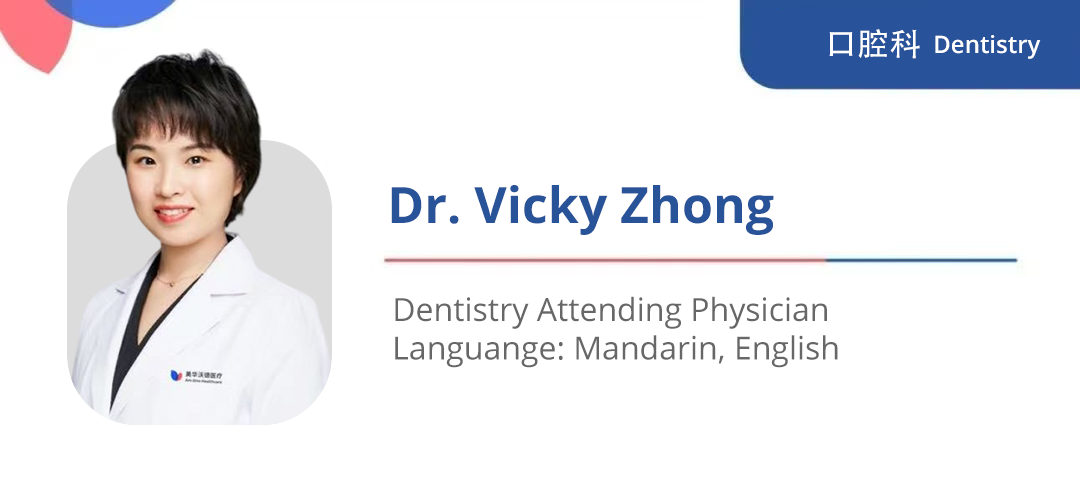
Dr. Zhong's Specialties include:
In addition to routine pediatric dental treatments, Dr. Zhong specializes in:
Behavioral Induction for Children.
Occlusal Induction for Children.
Assessment of Orofacial Growth and Development in Children.
Facial Profile Management for Children, Early Interceptive Orthodontics Development, including: MRC Muscle Function Training, Angelalign, Invisalign, Fixed Orthodontics, Functional Orthodontics.
Oral Treatments under Deep Sedation, including: complicated Dental Treatments, Ligature Adjustment Procedures.
Working Experience
16 years of specialized experience in Pediatric Dentistry at High-End Private Medical Institutions.
Education Background
Master’s Degree in Pediatric Dentistry, Shanghai Jiaotong University School of Medicine
Bachelor’s Degree in Dentistry, Shanghai Jiaotong University School of Medicine
Professional Associations
Certified Doctor in Muscle Function Training, Australia MRC
Certified Doctor in Invisible Orthodontics, Angelalign
Certified Doctor in Invisalign Orthodontics
Language
English, Mandarin, Shanghainese
Outpatient Information
Location: Am-sino Dingxiang Medical Center
Address: Floors 2-3, Building 6, 800 Huashan Road, Changning District, Shanghai
Time: Every Tuesday, Friday, Saturday, and Sunday

Wechat Enquire
& Appointment