

Your Handy Guide To Food-borne Risks In Pregnancy
Pregnancy already comes with plenty of things to think about- worrying over food safety shouldn’t be one of them.
This handy guide makes it easy to see at a glance which foods are safe, which ones to avoid, and why. By keeping it on hand, you’ll have extra peace of mind knowing you’re making choices that keep both you and your baby healthy.
Key:
Red = Don't eat
Yellow = Eat with caution
Green = OK to eat
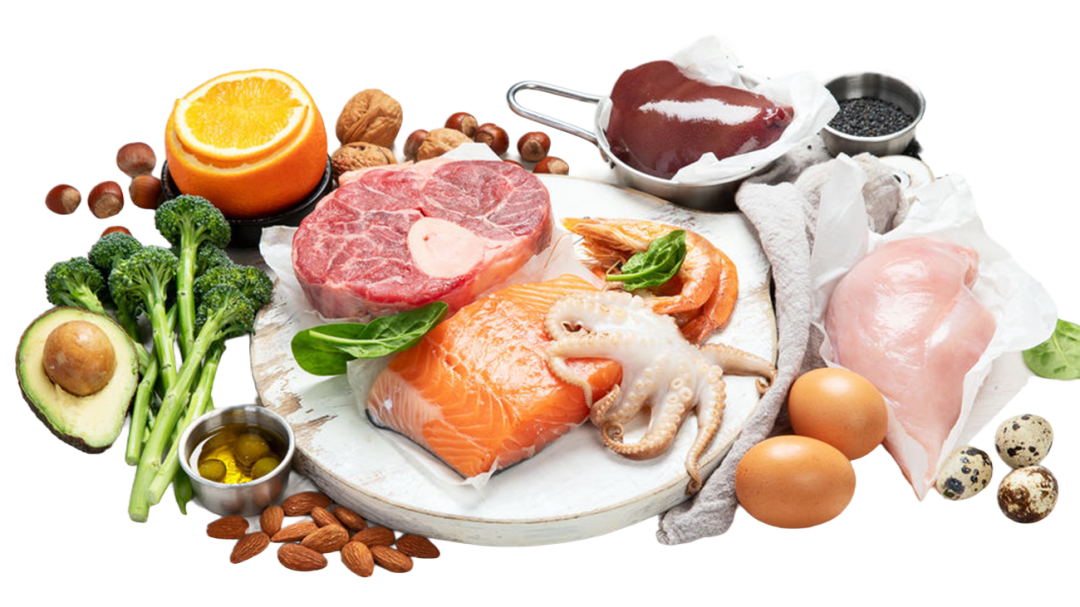
Meat, Poultry & Seafood
Processed/cured meats

Ham, salami, luncheon, chicken meat etc.
Recommendation: DON'T EAT unless thoroughly cooked to at least 75 °C and eaten soon afterwards
Rationale: Risk of Listeria contamination
Raw meat
Any raw meat, raw chicken or other poultry, beef, pork etc.
Recommendation: DON'T EAT
Rationale: Potential for Salmonella, Listeria or other pathogens
Poultry
Cold chicken or turkey, e.g. used in sandwich bars
Recommendation: DON'T EAT
Rationale: Cold storage and slow cooling increase bacterial risk

Rotisserie chicken
Recommendation: Purchase freshly cooked and eat while hot. Store leftovers in fridge and use within a day of cooking, reheat until steaming hot throughout (or to at least 75 °C)
Rationale: LISTERIA bacterial growth risk in cold leftovers

Home cooked
Recommendation: Ensure chicken is cooked thoroughly to at least 74 °C and eat while hot. Store leftovers in fridge and use within a day of cooking, reheat until steaming hot throughout (or to at least 75 °C)
Rationale: Avoid undercooking, bacterial growth in leftovers
Paté
Cold paté or meat spreads
Recommendation: DON'T EAT
Rationale: Often contain Listeria
Seafood
Raw seafood
Recommendation: DON'T EAT
Rationale: Risk of Listeria, parasites, other contaminants
Ready-to-eat chilled peeled prawns
Recommendation: DON'T EAT
Rationale: Risk of contamination from storage or handling
Cooked fish and seafood
Recommendation: Cook thoroughly to at least 63 ℃ and eat while hot. Store leftovers in fridge and use within a day of cooking, reheat until steaming hot throughout (or to at least 75 °C)
Rationale: Poor reheating or handling can lead to bacterial growth
Sushi
Store-bought
Recommendation: DON'T EAT
Rationale: Use of raw fish/meat increases risk of pathogens
Home-made
Recommendation: Don't use raw meat or raw seafood; eat immediately
Rationale: Delay or poor handling can allow bacteria to grow
Cooked meats
Beef, pork, chicken, minced meats
Recommendation: Cook thoroughly (to ≥ 74 °C), eat hot
Rationale: Undercooking may leave pathogens alive
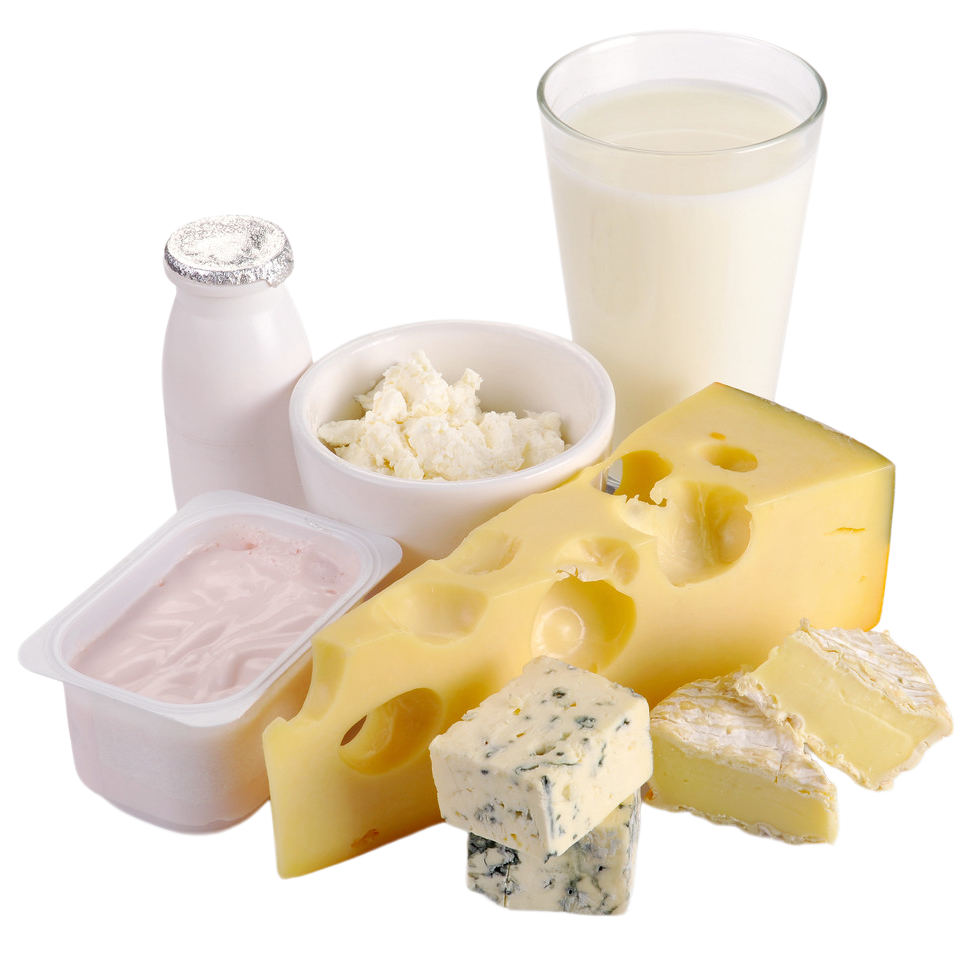
Dairy & Eggs
Cheese
Soft and semi-soft cheese, e.g., brie, camembert, ricotta, fetta, blue etc.
Recommendation: DON'T EAT unless thoroughly cooked to at least 75 °C and eaten promptly
Rationale: These cheeses may carry Listeria
Processed cheese, cheese spreads, cottage cheese, cream cheese etc.
Recommendation: Store in the fridge, eat within two days of opening package
Rationale: Longer storage increases microbial risk
Hard cheese, e.g. cheddar, tasty cheese, parmesan
Recommendation: Store in the fridge, in sealed wrapping/container; use a clean knife every time you cut it
Rationale: Lower moisture and acidity limit bacterial growth
Icecream
Soft serve
Recommendation: DON'T EAT
Rationale: Possible contamination from raw dairy or poor hygiene
Packaged frozen ice-cream
Recommendation: Keep frozen until eating; eat frozen
Rationale: Freezing inhibits bacterial growth
Dairy
Unpasteurised (raw) dairy products
Recommendation: DON'T DRINK OR USE
Rationale: May contain Listeria and other pathogens
Pasteurised (e.g. milk, cream, yoghurt)
Recommendation: Check 'best before' or 'used-by' date; Follow storage instructions
Rationale: Spoilage or contamination if storage is poor
Custard
Store-bought
Recommendation: Check 'best before' or 'use-by' date. Can be eaten cold if freshly opened. Store leftovers in fridge and use within a day of opening, reheat until steaming hot throughout
Rationale: Risk from bacterial growth if left too long
Home-made
Recommendation: Cooked thoroughly and consumed promptly
Rationale: Growth of bacteria in cooling / storage
Eggs
Cooked egg dishes, e.g. fried eggs, scrambled eggs, quiche
Recommendation: Cook thoroughly to at least 71 °C and eat while hot. Store in fridge. Store leftovers in fridge and use within a day of cooking, reheat until steaming hot throughout (or to at least 75 °C). Don't use cracked or dirty eggs
Rationale: Raw or cracked eggs may carry Salmonella; longer storage after cooking increases microbial risk
Raw in food, e.g. home-made mayonnaise, aioli, chocolate mousse, cake batter, pancake batter
Recommendation: DON'T EAT
Rationale: High risk of Salmonella
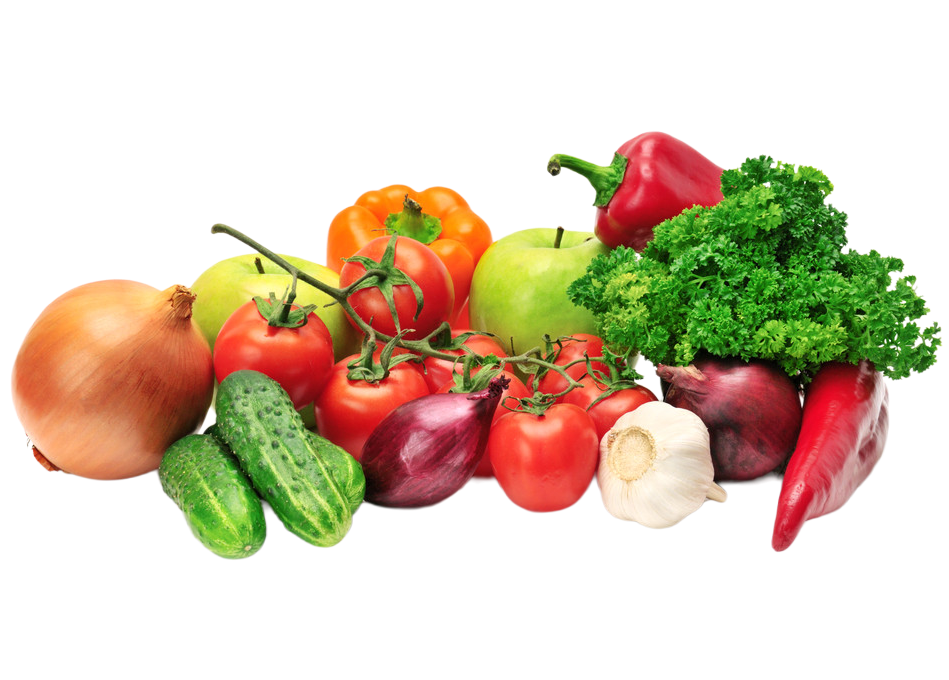
Vegetables & Fruit
Salads
Pre-prepared or pre-packaged salads including fruit salad, e.g. from salad bars, smorgasbords
Recommendation: DON'T EAT
Rationale: Risk of Listeria contamination from handling or food prep
Home-made
Recommendation: Wash salad ingredients immediately before making and eating salads; store any leftovers sealed in fridge and use within a day of preparation
Rationale: Bacteria can multiply if stored too long
Fruit
Rockmelon/Cantaloupe
Recommendation: DON'T EAT
Rationale: Often linked to Listeria outbreaks due to porous exterior
Whole fresh fruits
Recommendation: Wash well before eating
Rationale: Can carry dirt, soil, and surface bacteria
Vegetables and herbs
Fresh vegetables and herbs
Recommendation: Wash well just before eating raw or wash before cooking
Rationale: Dirt, soil, surface bacteria, toxoplasmosis
Frozen vegetables
Recommendation: Cook (don't eat uncooked)
Rationale: Freezing doesn’t kill all pathogens
Bean sprouts
Alfalfa sprouts, broccoli sprouts, onion sprouts, sunflower sprouts, clover sprouts, radish sprouts, snowpea sprouts, mung beans and soybean sprouts
Recommendation: DON'T EAT raw or lightly cooked
Rationale: Sprouts have high risk of bacterial contamination
Other Foods / Dishes
Leftovers
Cooked foods
Recommendation: Store leftovers in fridge and use within a day of cooking, reheat until steaming hot throughout (or to at least 75 °C).
Rationale: Bacteria can multiply in cooled food
Canned foods
Tinned fruit, vegetables, fish etc.
Recommendation: Store unused portions in the fridge in clean, sealed containers and use within a day
Rationale: Once opened, contamination risk increases
Stuffing
Stuffing from chicken or poultry
Recommendation: DON'T EAT unless cooked separately and eat hot
Rationale: Inside stuffing may not reach safe temperature
Soy
All soy products, eg, tofu, soy milk, soy yoghurt etc.
Recommendation: Check 'best before' or 'use-by' date. Follow storage instructions
Rationale: Spoilage or bacterial growth if expired or stored badly
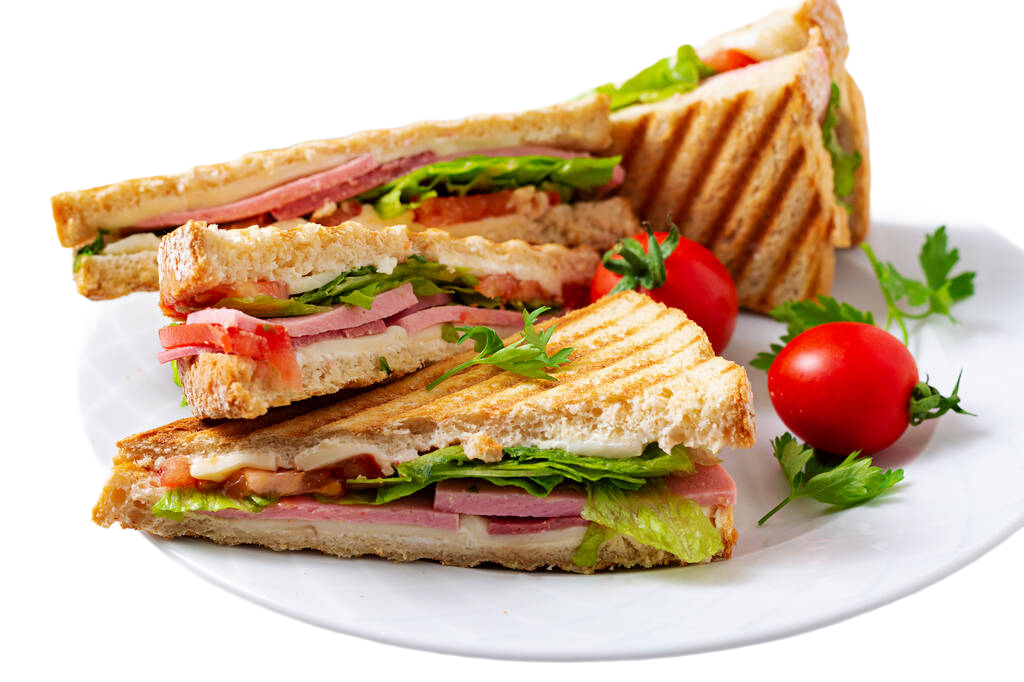
Sandwiches
Pre-prepared or pre-packaged sandwiches and wraps
Recommendation: DON'T EAT
Rationale: Often contain high-risk ingredients or poorly handled fillings
Sources: NSW Food Authority guidance, Healthdirect Australia, CDC, and NHS

(click to view more details)
At Am-Sino International Women's Health and Birth Center, we pride ourselves on providing compassionate, comprehensive, and culturally sensitive care to women of all ages.
Our bilingual team of experienced obstetricians and gynecologists offers a full spectrum of services, from routine health check-ups and prenatal care to advanced treatments for complex gynecological conditions.
In our comforting birth center, we strive to create a safe, supportive, and personalized environment for you to welcome your baby, respecting your choices and preferences throughout your birth journey.
From adolescence to menopause, and from contraception to parenthood, we prioritize individualized care, empowering you to take control of your health, wellness, and reproductive journey.
- Medical Team -
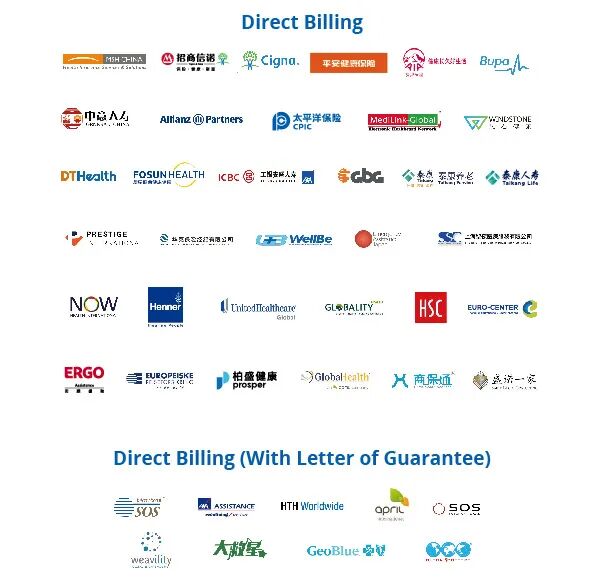
- Insurance Partners -
- Service Information -
Address: 17 Floor, 155 Songyuan Road,
Xuhui District, Shanghai
9:00 - 17:00 Monday to Saturday
- Contact us -

WeChat Enquiries
& Appointments